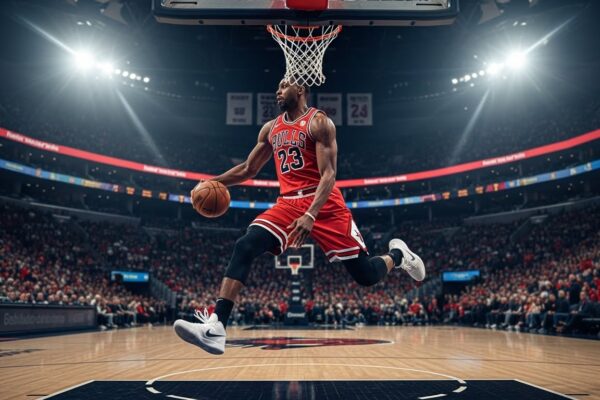
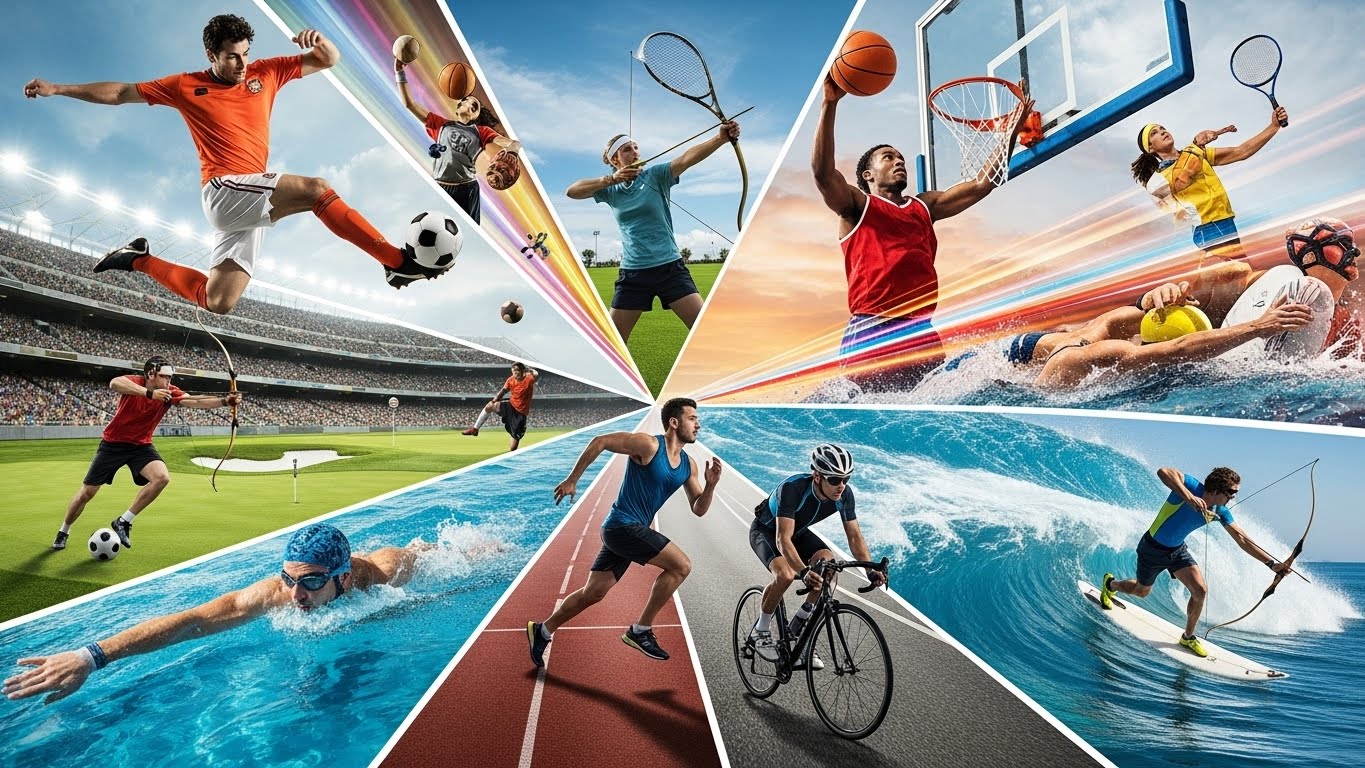
Sports have always been a significant part of human culture. From the ancient Greek Olympic Games to today’s modern international competitions, sports have evolved to become a global phenomenon that unites people across nations, transcends language barriers, and promotes physical and mental well-being. Whether it’s the electrifying atmosphere of a football match, the graceful movements in gymnastics, or the intense rivalry in tennis, sports offer a captivating world that is both exhilarating and inspiring. In this blog post, we will explore the multifaceted nature of sports—how they bring joy, inspire greatness, foster communities, and shape societies.
The Universal Language of Sports
Sports, by their very nature, are universal. Regardless of where you are in the world, people are participating in some form of sport. From the bustling streets of New York to the remote villages of Africa, sports have found a place in the hearts of millions. The beauty of sports lies in its ability to connect people without the need for words. Whether it’s the joy of playing basketball with friends or the national pride when a country’s team wins a prestigious tournament, sports are a shared experience that resonates across cultures.
At the heart of sports is competition. But it’s not just about winning or losing—it’s about the thrill of the game, the joy of improvement, and the connections we build through teamwork and camaraderie. The global appeal of sports is driven by the fact that anyone can play, regardless of race, gender, or economic background. This inclusivity is what makes sports so powerful in uniting people, fostering friendships, and breaking down barriers.
The Role of Sports in Physical and Mental Health
One of the most well-known benefits of sports is its positive impact on physical health. Regular participation in sports helps individuals improve their cardiovascular health, build muscle strength, increase flexibility, and enhance coordination. Whether it’s running, swimming, cycling, or playing team sports like soccer or basketball, physical activity promotes overall health, reduces the risk of chronic diseases like obesity, diabetes, and hypertension, and extends life expectancy.
However, the benefits of sports go beyond physical well-being. Engaging in sports is also incredibly beneficial for mental health. Physical activity has been shown to reduce symptoms of anxiety, depression, and stress. When people engage in physical activity, the body releases endorphins, also known as “feel-good” hormones, which help to elevate mood and improve emotional resilience.
For many athletes, sports serve as an outlet for stress and a way to focus their energy positively. The mental discipline required in sports teaches athletes how to set goals, manage setbacks, and work tirelessly toward improvement. This mental fortitude often carries over into other aspects of life, helping individuals to develop resilience in the face of challenges.
The Economics of Sports
Sports are not just about athletes and fans—they are a multibillion-dollar industry that fuels economies worldwide. The global sports market encompasses a wide range of sectors, from ticket sales and broadcasting rights to sponsorships and merchandise. Major sporting events, such as the FIFA World Cup, the Olympic Games, and the Super Bowl, generate massive revenue and provide an economic boost to host cities and countries.
Sponsorship deals and endorsements are significant contributors to the financial success of sports. Companies, from multinational corporations to local businesses, invest heavily in sports marketing, associating their brands with athletes and teams to reach a wide audience. This symbiotic relationship between businesses and sports has transformed the industry into a commercial powerhouse.
In addition to the revenue generated by professional sports leagues, grassroots sports programs and local tournaments also contribute to the economy. These events create jobs, stimulate local economies through tourism, and foster community development. The economic influence of sports is undeniable, and its potential continues to grow with the expansion of new markets and digital platforms.
The Evolution of Sports Technology
In recent years, technology has had a profound impact on the world of sports. Advances in technology have not only transformed how athletes train and compete but have also changed how fans experience sports. From performance-enhancing gadgets to digital broadcasting, technology has revolutionized every aspect of the sporting world.
One of the most significant technological innovations is the use of wearable fitness trackers and smart equipment. Athletes now have access to data that helps them optimize their performance. Heart rate monitors, GPS devices, and motion sensors allow athletes and coaches to track key metrics such as speed, endurance, and recovery time. This data-driven approach enables athletes to fine-tune their training and improve their skills.
In addition to wearable technology, digital media has revolutionized how fans engage with sports. The rise of streaming platforms and social media has made it easier for fans to watch live games, follow their favorite teams and athletes, and interact with one another in real-time. Sports apps and websites provide instant access to scores, highlights, and news, keeping fans engaged 24/7. The accessibility and convenience provided by technology have transformed sports from a passive form of entertainment into an interactive, global experience.
Sports as a Vehicle for Social Change
Beyond the entertainment and health benefits, sports have the power to bring about social change. History is filled with examples of athletes who have used their platform to raise awareness about important social issues. The iconic protest by American sprinters Tommie Smith and John Carlos during the 1968 Olympic Games, when they raised their fists in a Black Power salute, is one of the most powerful examples of how athletes have used sports to address racial injustice.
Similarly, athletes such as Muhammad Ali, Billie Jean King, and Jackie Robinson have been pioneers in breaking down societal barriers and promoting equality. Ali’s stance against the Vietnam War, King’s advocacy for gender equality, and Robinson’s breaking of the color barrier in Major League Baseball were all groundbreaking moments that transcended sports and had a profound impact on society.
In recent years, movements like Black Lives Matter and #MeToo have continued to inspire athletes to use their visibility to address issues like racial inequality, sexual harassment, and discrimination. The widespread influence of social media allows athletes to connect directly with fans and share their views on critical social and political issues, making sports a powerful tool for raising awareness and promoting change.
The Psychology of Sport: Motivation and Mindset
The psychology of sports is an area that has garnered increasing attention in recent years. Understanding the mindset of athletes and the psychological factors that contribute to performance is crucial in maximizing success in sports. Motivation, self-confidence, focus, and resilience are all key aspects of an athlete’s mental state that can influence performance.
Motivation, in particular, is a critical factor in sports. Some athletes are driven by the desire to achieve greatness and become the best in their field. Others are motivated by the love of the game, the thrill of competition, or the joy of being part of a team. Regardless of the source of motivation, the mental discipline required to stay focused and persevere through challenges is a key aspect of sports psychology.
Sports psychologists work with athletes to help them overcome mental barriers, manage stress, and develop positive mindsets. Visualization techniques, relaxation exercises, and mental conditioning are all strategies that help athletes stay calm under pressure and maintain peak performance.
The Future of Sports: Globalization and Diversity
The future of sports is incredibly exciting. As technology continues to advance and more people from diverse backgrounds participate in sports, the world of athletics is becoming increasingly globalized. We are seeing a rise in the popularity of sports in countries and regions that were once considered “non-traditional” in terms of sports participation. For example, cricket is gaining traction in countries like the United States, and basketball is becoming more popular in Africa.
The continued expansion of sports media and digital platforms will make it easier for fans to follow their favorite sports and athletes, no matter where they live. Virtual and augmented reality may provide new ways to experience live events, allowing fans to feel as though they are at the stadium or on the field with the players. E-sports, or competitive video gaming, is another growing sector that is attracting millions of fans worldwide, with tournaments offering substantial prize money and sponsorship deals.
Moreover, there is a growing emphasis on inclusivity and diversity within the sports industry. Women’s sports are receiving more recognition, with leagues like the WNBA and the Women’s World Cup gaining popularity and inspiring the next generation of female athletes. Disability sports are also gaining visibility, as athletes with disabilities showcase their incredible skills and determination on the global stage.
Conclusion: The Enduring Impact of Sports
Sports are more than just games—they are a reflection of society, a vehicle for personal growth, and a catalyst for social change. The passion and energy that athletes bring to their respective sports inspire millions around the world. Through their perseverance, dedication, and hard work, they teach us valuable lessons about resilience, teamwork, and the pursuit of excellence.
Whether you’re an athlete, a fan, or someone who simply enjoys the thrill of the game, sports offer something for everyone. They provide a sense of belonging, a chance for personal growth, and a powerful platform for change. As the world of sports continues to evolve, its ability to bring people together, inspire greatness, and shape the future remains as strong as ever.
So, the next time you watch a match, participate in a local game, or cheer on your favorite team, remember that sports are more than just a pastime—they are a celebration of life, human potential, and the indomitable spirit that connects us all.