Introduction: More Than Just a Game
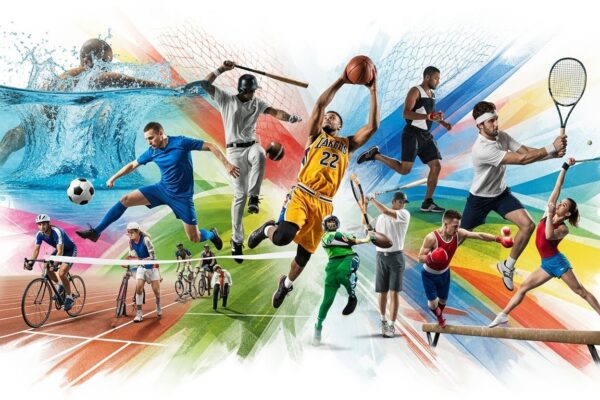
Sports have always been more than a competition between two teams or individuals. While scoreboards record numbers and trophies mark victories, the true impact of sports reaches far beyond the playing field. From shaping personal character to influencing global culture and strengthening communities, sports play a powerful role in human life. Whether played in packed stadiums or small neighborhood grounds, sports unite people, inspire discipline, and create stories that last a lifetime.
This blog explores the deeper meaning of sports, their influence on individuals and society, and why they remain an essential part of our world.
The Origins of Sports and Their Evolution
Sports have existed since ancient civilizations. Early societies used physical competitions as a way to prepare for war, celebrate religious festivals, and demonstrate strength and skill. Over time, these activities evolved into structured games with rules, governing bodies, and organized competitions.
Modern sports now combine tradition with innovation. Advanced training methods, technology-assisted officiating, and global broadcasting have transformed sports into a massive industry. Despite these changes, the core values of sportsmanship, effort, and fair play remain unchanged.
Sports and Personal Character Development
One of the most significant contributions of sports is character building. Participation in sports teaches discipline, time management, and responsibility. Athletes learn that success requires consistent effort, patience, and resilience.
Failure in sports is equally important. Losing a match or making a mistake teaches humility and emotional control. These lessons often translate into real-life situations, helping individuals handle setbacks in careers, education, and relationships with confidence.
The Role of Sports in Mental and Physical Health
Sports play a vital role in maintaining both physical and mental well-being. Regular physical activity improves strength, endurance, and overall fitness. It reduces the risk of chronic illnesses and promotes a healthier lifestyle.
Mentally, sports act as a stress reliever. Physical exertion releases endorphins, which improve mood and reduce anxiety. Team sports also combat loneliness by creating a sense of belonging. For many people, sports serve as a healthy escape from daily pressures and emotional challenges.
Sports as a Tool for Unity and Social Connection
Sports have a unique ability to bring people together regardless of age, nationality, religion, or background. Fans may support different teams, but the shared excitement of competition creates a sense of connection.
Major sporting events often unite entire nations. Streets fill with celebrations after victories, and even defeats are collectively mourned. At a local level, community sports clubs foster friendships, teamwork, and mutual respect, strengthening social bonds.
The Influence of Sports on Youth and Education
For young people, sports are a powerful educational tool. They teach teamwork, leadership, and respect for rules. Student-athletes often develop better focus and academic discipline due to structured routines.
Sports also help youth discover their potential. Some find confidence through athletic achievements, while others learn valuable life lessons without becoming professional athletes. Coaches often act as mentors, guiding young players not only in sport but in life decisions.
Professional Sports and the Pursuit of Excellence
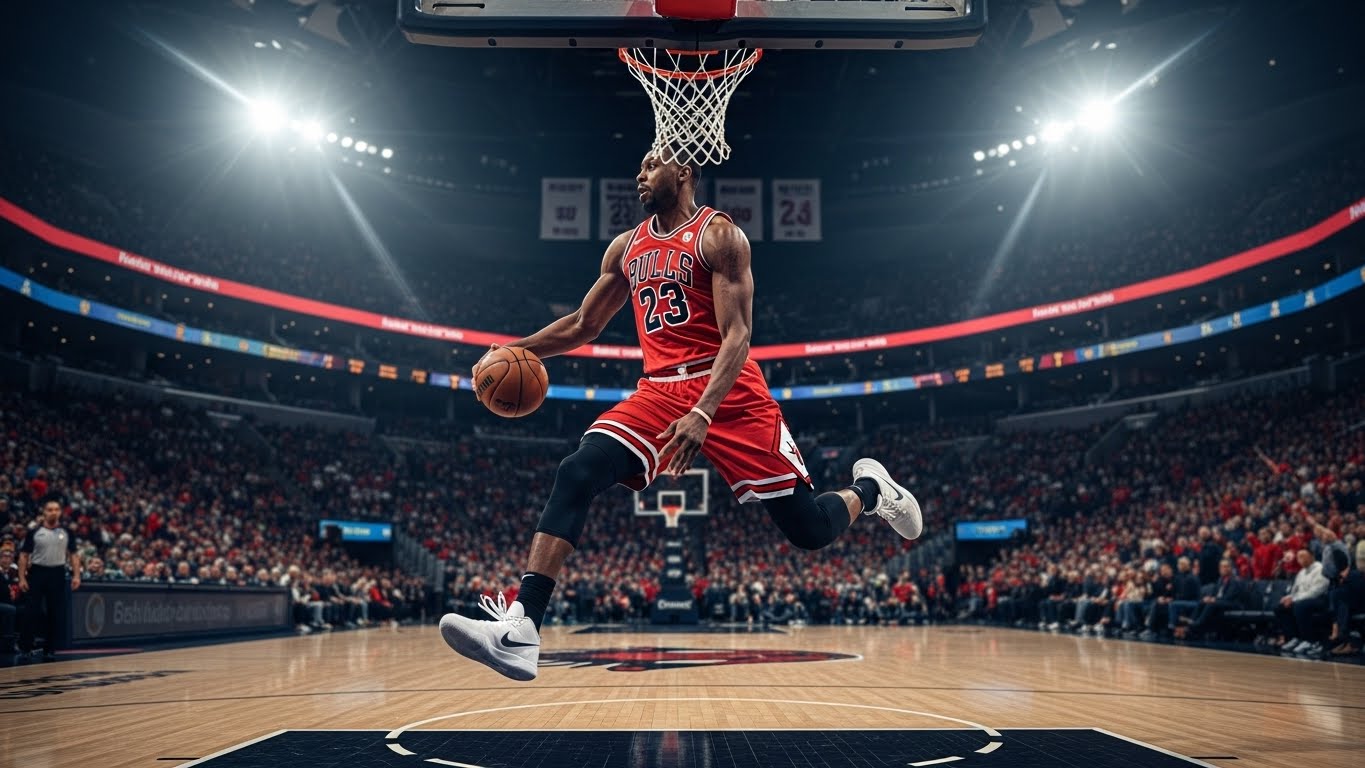
Professional sports represent the highest level of competition. Athletes dedicate years to training, often sacrificing personal comfort to reach elite performance. Their journeys inspire millions, showing what determination and focus can achieve.
However, professional sports also come with challenges. Pressure, injuries, and public scrutiny can affect athletes mentally and emotionally. This highlights the importance of mental health awareness and support systems within the sporting world.
Sports and Cultural Identity
Sports often reflect cultural values and traditions. Certain games are deeply tied to national identity, passed down through generations. Traditional sports preserve heritage and create pride within communities.
Even global sports adapt to local cultures. Fan chants, rituals, and celebrations differ from place to place, making sports a living expression of cultural diversity. Through sports, cultures communicate, compete, and coexist peacefully.
Gender Equality and Changing Perspectives in Sports
Historically, sports were dominated by men, but this narrative is changing. Women’s sports are gaining recognition, respect, and growing audiences. Female athletes continue to break records and challenge stereotypes.
This progress has encouraged conversations about equality, representation, and opportunity. Sports now serve as a platform for social change, empowering individuals to challenge outdated norms and advocate for fairness.
The Business and Media Side of Sports
Sports are no longer just games; they are a global business. Broadcasting, sponsorships, merchandise, and advertising have turned sports into a major economic force. This has increased visibility and financial opportunities for athletes and organizations.
Media coverage plays a crucial role in shaping public perception. Stories of triumph, struggle, and comeback inspire fans, but responsible reporting is essential to protect athletes from unnecessary pressure and misinformation.
Technology and the Future of Sports
Technology has transformed how sports are played and watched. From performance tracking to video analysis, athletes now train smarter and safer. Fans enjoy enhanced viewing experiences through data, replays, and interactive content.
In the future, sports may become even more inclusive and accessible. Virtual training, improved safety equipment, and innovative formats could redefine how people engage with sports worldwide.
Sportsmanship and Ethical Values
At the heart of sports lies sportsmanship. Respect for opponents, officials, and rules defines the true spirit of competition. Winning with integrity is valued more than victory achieved through unfair means.
Ethical challenges such as doping and corruption threaten the credibility of sports. Addressing these issues requires strong governance, education, and a commitment to honesty at all levels of competition.
Why Sports Matter in Everyday Life
Even for those who do not actively play or watch sports, their influence is present. Sports stories inspire movies, literature, and everyday conversations. They teach lessons about perseverance, teamwork, and hope.
Sports remind us that effort matters, that setbacks are temporary, and that collective effort can achieve extraordinary results. These lessons apply universally, far beyond the boundaries of the playing field.
Conclusion: The Enduring Power of Sports
Sports are a reflection of humanity itself. They showcase our strengths, expose our weaknesses, and highlight our ability to grow. From personal development to global unity, sports touch lives in countless ways.
As long as people seek challenge, connection, and purpose, sports will continue to thrive. Beyond the scoreboard and beyond the trophies, sports remain a powerful force that shapes character, culture, and community across the world.