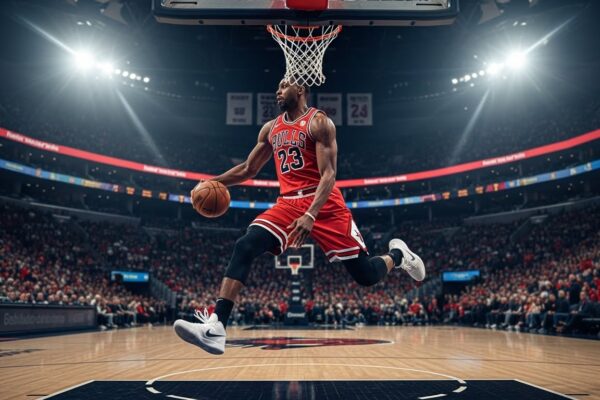

Sports have always been a universal language, transcending borders, languages, and cultures. Whether it’s the passion of football fans in Europe, the energy of basketball courts in the United States, or the graceful performance of athletes in the Olympic Games, sports have been at the heart of human entertainment, camaraderie, and even personal growth. However, the way we engage with sports is changing rapidly. From technological advancements to shifts in how athletes train, the future of sports is being reshaped by several key factors.
In this blog post, we will explore the evolution of sports, focusing on the impact of technology, changes in the culture surrounding sports, and how the younger generation of athletes is altering the landscape of the athletic world.
The Rise of Technology in Sports
Technology has permeated every aspect of our lives, and sports are no exception. The integration of high-tech tools and systems has not only changed how athletes train but also how fans experience sports. Let’s look at some of the major technological innovations transforming the sports industry.
1. Wearable Tech and Performance Analytics
Athletes have always relied on their physical prowess to succeed, but now, thanks to wearable technology, they can monitor every aspect of their performance in real-time. Devices like heart rate monitors, smartwatches, and GPS trackers allow athletes to track their movements, heart rate, calories burned, and even recovery times. These tools provide critical data that can be analyzed to improve performance, reduce the risk of injury, and optimize training.
Professional sports teams, especially in football, basketball, and track and field, now routinely use this technology. By integrating wearable tech with data analytics platforms, coaches and athletes can identify patterns, weaknesses, and strengths, leading to more targeted and personalized training programs.
2. Instant Replay and VAR: The Changing Nature of Officiating
One of the most visible impacts of technology in sports is the use of video technology, particularly Instant Replay and Video Assistant Referee (VAR). In sports like football (soccer), rugby, and tennis, technology has revolutionized the way referees make decisions.
In soccer, VAR has created a major debate in recent years. While some fans appreciate the added accuracy and fairness it brings to crucial decisions, others feel it interrupts the flow of the game. Regardless of opinions, the use of technology has certainly made officiating more precise, minimizing errors in critical moments and ensuring that fair play is maintained.
Similarly, technologies like Hawk-Eye in tennis and cricket’s DRS (Decision Review System) offer precise ball-tracking capabilities, changing how umpires make calls. This accuracy is improving the overall quality of the game and allowing for greater fairness.
3. AI and Machine Learning in Coaching
AI and machine learning are increasingly being incorporated into coaching strategies. Machine learning algorithms can now analyze massive amounts of data from past matches to suggest optimal strategies, tactics, and even player matchups based on statistical analysis. Coaches no longer rely solely on intuition or experience; they can now make data-driven decisions that increase their team’s chances of success.
From predicting an opponent’s tactics to optimizing in-game decisions, AI is proving to be a valuable asset. Coaches, athletes, and analysts use predictive models to gain insights into player performance, injury risks, and team dynamics, leading to smarter, more informed decision-making.
The Shift in Sports Culture
Over the years, the culture surrounding sports has changed significantly. From how athletes are viewed to how fans interact with their favorite teams, sports culture has evolved in response to societal changes, advancements in media, and the rise of social media.
1. The Rise of Athlete Activism
Athletes have long been seen as role models, but in recent years, they have become powerful voices for social and political change. Whether it’s advocating for racial equality, climate change, or mental health awareness, athletes today are using their platforms to influence the world outside of the sports arena.
The iconic actions of figures like Colin Kaepernick in the NFL and Naomi Osaka in tennis show how athletes are no longer silent when it comes to important societal issues. This shift in the relationship between athletes and their fans has led to a new era where activism and sports intersect, making sports more than just a form of entertainment.
2. Fan Engagement and Social Media
Social media has changed the way fans interact with sports and their favorite athletes. Platforms like Instagram, Twitter, and TikTok allow fans to get closer to their idols than ever before, providing behind-the-scenes glimpses into athletes’ lives and careers. At the same time, athletes are now able to take control of their personal brand, directly engaging with their fans and sharing their stories without relying on traditional media.
This change has led to a more interactive and personal relationship between athletes and fans. For example, viral moments on social media, such as viral challenges or memes, often carry over into the sporting world, further blurring the lines between entertainment and sports.
3. The Shift Toward Inclusivity and Diversity
Sports have historically been an arena of both inclusion and exclusion. However, over the past few decades, we have seen significant progress in making sports more inclusive. Whether it’s the rise of women’s sports, the increasing visibility of LGBTQ+ athletes, or the focus on ethnic diversity, the sports world is gradually becoming more representative of society as a whole.
The popularity of women’s sports, in particular, has skyrocketed in recent years, with female athletes like Serena Williams, Simone Biles, and Megan Rapinoe gaining recognition and respect on a global scale. While challenges still exist in terms of gender pay disparity and media representation, there is no doubt that progress is being made. Similarly, athletes like Jason Collins and Caitlyn Jenner have become important figures in advocating for LGBTQ+ inclusion, proving that sports are a space for all identities and backgrounds.
The Next Generation of Athletes
While technology and culture play a significant role in shaping the future of sports, the athletes themselves are the true pioneers of change. The next generation of athletes is growing up in an era where access to knowledge, training, and support is unlike anything previous generations have experienced.
1. Youth Sports and Early Specialization
With the proliferation of sports academies, youth leagues, and specialized training programs, today’s athletes are getting access to world-class coaching and facilities from a much younger age. This early specialization has both its pros and cons. On the positive side, young athletes are developing their skills faster and are often reaching the professional level earlier. However, the pressure to specialize in one sport at a young age can also lead to burnout and injuries.
The debate around early specialization is ongoing, but one thing is clear: the next generation of athletes is entering the professional ranks with an unparalleled level of skill and experience.
2. Mental Health Awareness
The conversation around mental health in sports is gaining momentum. Athletes are increasingly speaking out about the pressures they face, both on and off the field, and how mental health can significantly impact performance. High-profile athletes like Michael Phelps and Simone Biles have openly discussed their struggles with mental health, helping to destigmatize the issue within the sports world.
As awareness of mental health continues to grow, the next generation of athletes will likely place greater emphasis on self-care and mental wellness. Coaches and organizations are also becoming more attuned to the importance of mental health, integrating psychologists and support systems into their training regimens.
3. The Changing Nature of Athletic Performance
As training techniques, nutrition, and recovery methods continue to evolve, athletes are reaching new heights in terms of physical performance. The line between human and machine seems to be blurring as more athletes push the limits of their physical abilities. Advances in biomechanics, muscle recovery technology, and nutritional science are helping athletes achieve feats that were once thought impossible.
The rise of data-driven training, along with improvements in sports medicine, is also leading to longer careers for athletes. We are seeing older athletes continuing to perform at the highest levels, challenging the traditional notion that peak performance comes in the athlete’s early years.
Conclusion: The Future of Sports Is Limitless
Sports are no longer just about the game. With technology, evolving cultural norms, and the emerging wave of young, tech-savvy athletes, the future of sports is set to be more exciting and dynamic than ever before. While there are still challenges—like the balancing act between competition and mental health, or the debates around fairness and technology in officiating—the opportunities ahead are immense.
Whether it’s through improved performance analytics, the rise of inclusivity, or the next generation of game-changing athletes, one thing is certain: the landscape of sports is evolving rapidly, and we are only scratching the surface of what’s to come.
As fans, we get the privilege of witnessing these transformations, while athletes continue to inspire, challenge, and redefine the limits of human achievement. The future of sports is bright, and it promises to be a thrilling ride for everyone involved.