Introduction: The Universal Language of Sports
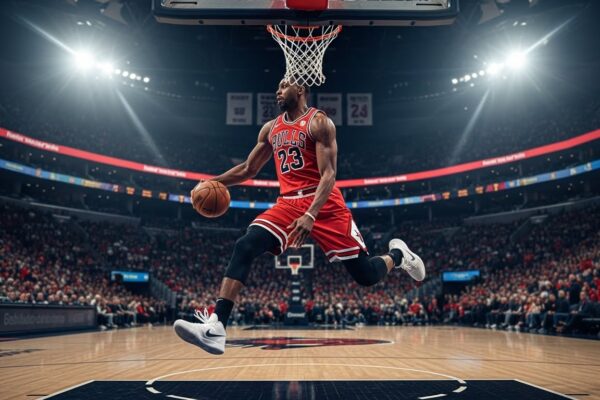
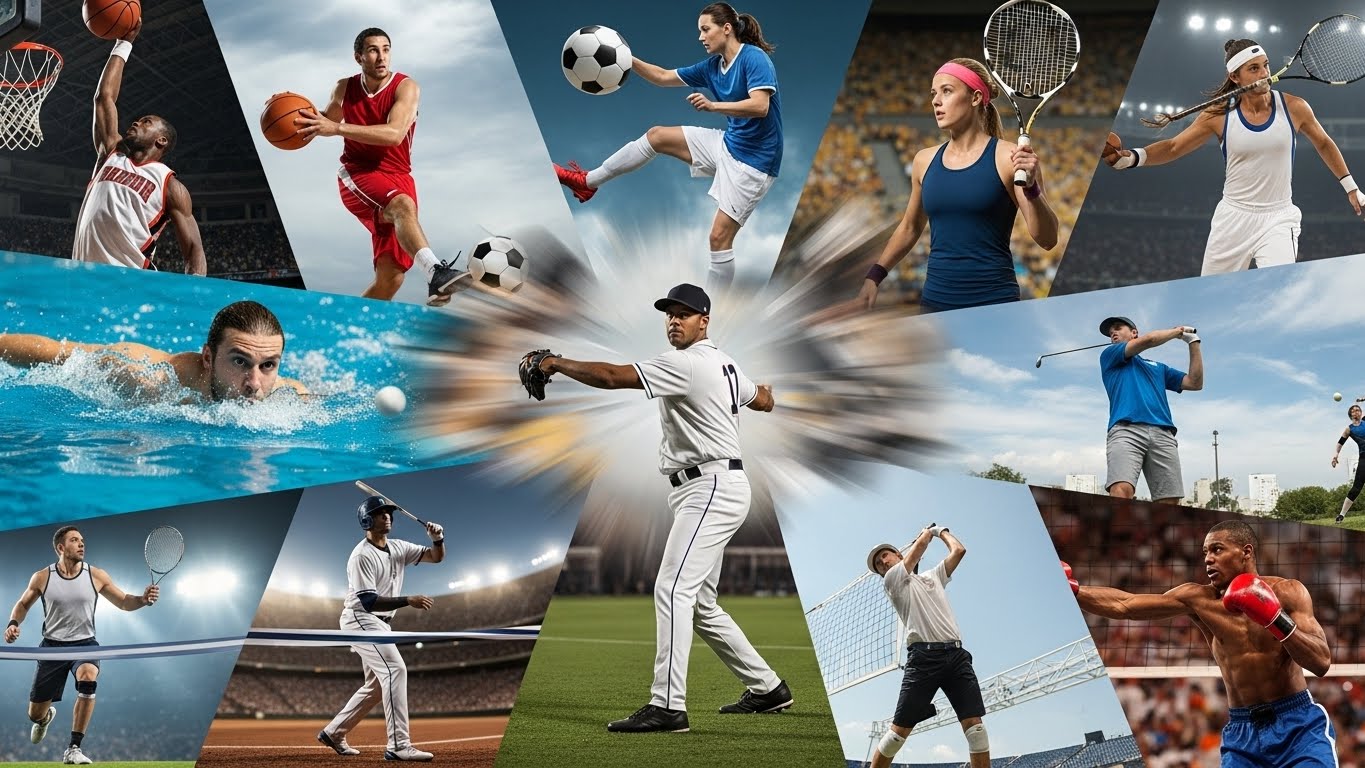
Sports have always been more than just a competition between individuals or teams. Across the world, they serve as a universal language that unites people regardless of age, gender, or background. From the electrifying atmosphere of a packed stadium to the quiet moments of practice and personal growth, sports impact human lives in profound ways. They inspire discipline, encourage teamwork, and foster resilience in the face of challenges. While the thrill of victory and the agony of defeat are often highlighted in headlines, the deeper significance of sports lies in their ability to shape character, community, and culture.
The Physical Benefits of Sports
One of the most immediate benefits of participating in sports is the positive impact on physical health. Regular engagement in sports activities improves cardiovascular health, enhances muscle strength, and boosts flexibility. Activities like running, swimming, and cycling increase endurance, while team sports like soccer and basketball enhance agility and coordination. In a time when sedentary lifestyles are becoming more common, sports offer a structured way to maintain fitness and prevent lifestyle-related diseases. Beyond physical health, exercise through sports releases endorphins, often called the “feel-good” hormones, which improve mood and reduce stress levels.
Mental and Emotional Growth Through Sports
The benefits of sports extend far beyond the physical realm. Mental and emotional growth are deeply intertwined with athletic participation. Athletes learn to set realistic goals, develop patience, and cope with setbacks—skills that are transferable to everyday life. Facing the pressure of a competitive environment teaches individuals to focus, manage anxiety, and build resilience. Additionally, the camaraderie formed with teammates provides a support system that enhances emotional well-being. Sports also encourage self-confidence and self-discipline, instilling a sense of accomplishment and personal pride that comes from consistent effort and improvement.
Teamwork and Leadership: Lessons from the Field
Team sports are particularly effective at teaching cooperation and leadership. Being part of a team requires understanding collective goals, communicating effectively, and supporting one another. Leaders emerge naturally as they motivate teammates, strategize under pressure, and set examples of dedication. Even individual sports contribute to these qualities, as athletes often work with coaches, trainers, and peers to reach their potential. The skills learned through sports, such as decision-making, conflict resolution, and empathy, are valuable not only on the field but also in workplaces, schools, and communities.
Sports as a Tool for Social Integration
Beyond personal growth, sports have a profound social dimension. They bring together people from different cultural, social, and economic backgrounds, creating opportunities for mutual understanding and cooperation. Community sports programs, school competitions, and local clubs foster connections among diverse groups, reducing social barriers and promoting inclusivity. In many regions, sports have played a crucial role in social development, offering youth alternatives to crime and fostering a sense of belonging. The shared experiences of participating in or supporting sports create a collective identity that strengthens communities and builds bridges across differences.
Cultural Significance and Global Impact
Sports are deeply woven into the fabric of global culture. Major sporting events, such as the Olympics or world championships, captivate millions and celebrate human potential. These events transcend national boundaries, fostering global unity and mutual appreciation among different cultures. Sports also serve as a platform for cultural expression, showcasing unique traditions, rituals, and values. Beyond international spectacles, local sports traditions maintain cultural heritage and instill pride within communities. The narratives of legendary athletes, iconic matches, and historical moments in sports history resonate widely, inspiring generations to pursue excellence and challenge limitations.
The Role of Technology in Modern Sports
Technology has transformed sports in unprecedented ways, from training and performance analysis to fan engagement. Advanced equipment, wearable devices, and data analytics allow athletes to monitor their progress, identify weaknesses, and optimize their training routines. Video replay systems and digital broadcasting enhance the viewing experience for fans, providing deeper insights and real-time updates. Social media has amplified the connection between athletes and audiences, turning sports figures into influential personalities and role models. While technology improves efficiency and accessibility, it also raises questions about fairness, commercialization, and the balance between human skill and technological assistance.
Overcoming Challenges in Sports
Despite the many benefits, sports also present challenges that require careful consideration. Injuries, intense pressure, and burnout are common risks for athletes at all levels. Navigating these challenges requires proper guidance, medical support, and mental health resources. Issues such as doping, unfair play, and corruption in sports governance can undermine the integrity of competitions and negatively impact public perception. Addressing these challenges requires collective effort from athletes, coaches, organizations, and fans to ensure that sports remain fair, safe, and inspiring for future generations.
Youth Engagement and the Future of Sports
The future of sports depends on nurturing young talent and fostering a love for physical activity from an early age. Schools and community programs play a critical role in introducing children to various sports, teaching fundamental skills, and promoting healthy habits. Encouraging participation over mere competition helps children build confidence, enjoy the process, and develop a lifelong connection to physical activity. Supporting young athletes through mentorship, resources, and guidance ensures that talent is not only identified but also cultivated responsibly. As technology, accessibility, and societal attitudes continue to evolve, sports will remain a vital part of youth development and community well-being.
Sports and Personal Transformation
At its core, sports is a journey of personal transformation. Athletes learn to confront limitations, celebrate small victories, and persevere in the face of adversity. Sports instill a sense of purpose, helping individuals understand the value of dedication, hard work, and integrity. Beyond personal gains, sports often inspire individuals to contribute positively to society, whether through coaching, advocacy, or volunteering. The lessons learned on the field—discipline, teamwork, resilience—extend far beyond the playing area, influencing careers, relationships, and personal growth throughout life.
Conclusion: The Enduring Power of Sports
Sports are far more than a pastime; they are a powerful force that shapes bodies, minds, and societies. From improving physical health and mental resilience to fostering social cohesion and cultural pride, the impact of sports is undeniable. In a world that often seems divided, sports remind us of our shared humanity, offering moments of joy, inspiration, and collective celebration. Whether as participants, spectators, or advocates, engaging with sports allows us to experience growth, connection, and transformation. Beyond the scoreboard and medals, the true value of sports lies in its ability to elevate lives and strengthen the communities we share.