
Introduction: More Than Just a Game
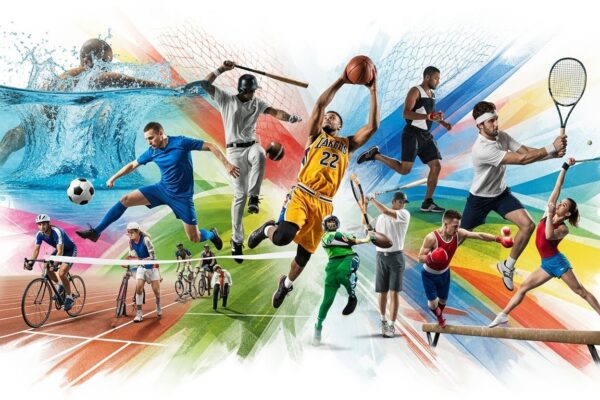
Sports have always been more than a contest of strength, speed, or skill. From dusty village fields to world-class stadiums filled with roaring crowds, sports represent a shared human experience that cuts across language, class, and geography. They teach lessons that last a lifetime, spark emotions that words cannot fully capture, and create connections between people who may otherwise have nothing in common. In today’s fast-changing world, sports continue to play a vital role not only in entertainment but also in shaping character, culture, and community.
The Historical Roots of Sports in Human Society
The story of sports is deeply woven into human history. Ancient civilizations used physical competition as a way to prepare for survival, warfare, and social bonding. Early games tested endurance, coordination, and courage, often reflecting the values of the societies that created them. Over time, these activities evolved into organized sports with rules, traditions, and spectators. This evolution shows that humans have always felt the need to challenge themselves physically and mentally while celebrating excellence and fair competition.
Sports as a Teacher of Discipline and Character
One of the most powerful contributions of sports is the way they shape personal character. Athletes quickly learn that success does not come overnight. It requires discipline, patience, and consistent effort. Training schedules, practice routines, and adherence to rules teach individuals the value of responsibility and time management. Winning brings confidence, but losing teaches resilience. These lessons often extend beyond the playing field, helping people face challenges in education, careers, and personal life with greater strength and determination.
The Role of Teamwork and Leadership
Team sports, in particular, highlight the importance of cooperation and trust. No matter how talented an individual may be, success often depends on working together toward a shared goal. Players learn to communicate effectively, support one another, and respect different roles within a team. Leadership naturally emerges in such environments, as some individuals inspire others through action, encouragement, and accountability. These experiences prepare people to function effectively in workplaces and communities where collaboration is essential.
Sports and Physical Well-Being
At a basic level, sports promote physical health. Regular participation improves strength, flexibility, endurance, and overall fitness. In an age where sedentary lifestyles are increasingly common, sports provide a motivating reason to stay active. Beyond physical benefits, engaging in sports also supports mental health. Exercise releases stress, improves mood, and enhances focus. For many people, sports become a healthy outlet for emotions, helping them manage pressure and maintain balance in their daily lives.
The Emotional Power of Sports
Sports have a unique ability to stir deep emotions. The thrill of victory, the heartbreak of defeat, and the tension of close competition create unforgettable moments. Fans often develop lifelong emotional connections with teams and athletes, celebrating triumphs as personal victories and mourning losses together. These shared emotions foster a sense of belonging and identity. In times of difficulty, sports can offer hope, distraction, and inspiration, reminding people of the beauty of effort and the possibility of comeback.
Sports as a Cultural Mirror
Every sport reflects the culture from which it emerges. Playing styles, fan traditions, and even the values emphasized within a sport reveal important aspects of society. Some cultures celebrate flair and creativity, while others emphasize discipline and structure. International competitions bring these differences into the spotlight, allowing people to appreciate diversity through a shared passion. Sports also play a role in preserving traditions, as local games and regional tournaments keep cultural heritage alive for future generations.
The Economic and Social Impact of Sports
Sports contribute significantly to economies and social development. From local clubs to global events, sports create jobs, support businesses, and encourage tourism. Stadiums, training facilities, and sporting events often become centers of community activity. On a social level, sports can unite people during times of celebration or crisis. A major victory can lift national morale, while grassroots sports programs can bring communities together and provide positive opportunities for youth.
Sports and Youth Development
For young people, sports can be a powerful tool for growth. Participation teaches respect for rules, authority, and fellow competitors. It encourages healthy competition while emphasizing fair play and sportsmanship. Young athletes learn to set goals, handle pressure, and accept responsibility for their actions. In many cases, sports also provide mentorship opportunities, as coaches and senior players guide youth toward positive choices and personal development.
Gender Equality and Changing Perspectives
Over the years, sports have also played a role in challenging social norms and promoting equality. Increased participation of women in sports has reshaped perceptions about strength, capability, and leadership. Female athletes continue to inspire millions by breaking barriers and proving that talent and determination know no gender. As opportunities expand and recognition grows, sports become a platform for broader conversations about fairness, respect, and inclusion.
Technology and the Modern Sports Experience
The modern era has transformed sports through technology. Advanced training methods, performance analysis, and medical support have pushed athletic limits to new heights. At the same time, technology has changed how fans experience sports. Live broadcasts, instant replays, and data-driven insights bring audiences closer to the action than ever before. While these advancements enhance enjoyment, they also raise questions about balance, fairness, and the preservation of the human element in competition.
Ethics, Fair Play, and Responsibility
With popularity and pressure come ethical challenges. Issues such as cheating, corruption, and excessive commercialization can threaten the integrity of sports. Upholding fair play and honesty is essential to maintaining trust and respect. Athletes, officials, and organizations share the responsibility of protecting the spirit of competition. When sports are guided by strong values, they remain a force for good, inspiring people rather than disappointing them.
Sports as a Source of Inspiration
Stories of athletes overcoming adversity often resonate far beyond the sporting world. Tales of perseverance, comeback, and dedication inspire people from all walks of life. These stories remind us that failure is not the end, and that effort, belief, and support can lead to remarkable achievements. Sports heroes become symbols of hope, showing that limitations can be challenged and dreams pursued with courage.
Conclusion: The Enduring Power of Sports
Sports hold a special place in human life because they speak to something universal. They reflect our desire to compete, to belong, and to strive for excellence. Beyond trophies and records, sports build character, strengthen communities, and bridge cultural divides. As the world continues to change, the essence of sports remains the same: a celebration of human potential, resilience, and unity. Whether played on a neighborhood street or a global stage, sports will continue to inspire, teach, and connect generations for years to come.