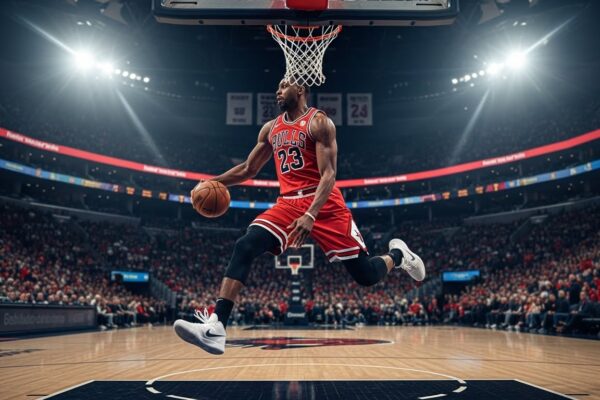

Sports are not just games played on fields, courts, or tracks—they are a reflection of human spirit, culture, and unity. The raw emotion felt in a stadium, the triumphs, the defeats, and the stories that unfold from each match, have always had the power to stir deep emotions. But beyond the thrill of victory or the agony of defeat, sports hold a unique place in our world. In this post, we’ll explore why sports matter beyond the scoreboard and how they can shape our society, character, and even our everyday lives.
The Unifying Power of Sports
One of the most remarkable things about sports is their ability to unite people. Whether it’s a local football team rallying a community, or nations coming together for the Olympics, sports create a shared experience that transcends borders, languages, and cultures. The sheer act of people cheering for the same team creates a sense of camaraderie and belonging.
In times of division or hardship, sports have often been a source of hope and unity. Think about the way a national football team’s success can unite a country in ways nothing else can. It’s a reminder that, despite our differences, we are all human, and we can all come together to celebrate something bigger than ourselves.
Life Lessons Through Sports
It’s not just about winning or losing. Sports teach us invaluable life lessons that are difficult to replicate elsewhere. The discipline required to train for an event, the perseverance needed to push through adversity, and the ability to work as a team—these are qualities that sports instill in participants.
Moreover, sports show us how to cope with failure. Not every game will end in victory, but that doesn’t make the effort less valuable. In fact, some of the most profound lessons come from overcoming losses, learning from mistakes, and coming back stronger. In this sense, sports are a metaphor for life itself, where every setback can be an opportunity for growth.
The Influence of Role Models
Athletes often become role models, and with that influence comes the responsibility of shaping societal values. Many sports figures use their platforms to address important issues, from social justice to environmental concerns. Think of athletes like Muhammad Ali, Colin Kaepernick, or Jackie Robinson—figures who used their prominence to challenge norms and bring awareness to important causes.
These athletes are not just icons for their performances on the field but also for their actions off it. They show us that sports can be a vehicle for change, and they inspire us to use our own platforms—whether big or small—to make a difference in the world.
The Health Benefits of Sports
It’s no surprise that regular participation in sports can have profound physical and mental health benefits. Engaging in physical activity boosts cardiovascular health, improves muscle strength, and reduces the risk of chronic diseases. On top of that, exercise releases endorphins, which help combat stress and anxiety.
But the benefits don’t stop at the physical. Sports also provide an outlet for mental wellness. The focus, strategy, and team dynamics involved in a sport can help improve cognitive function and boost mood. For those struggling with mental health, sports can provide a structured and supportive environment to promote healing.
Sports as a Form of Art
While sports might seem like a purely physical endeavor, they also have an undeniable artistic element. The grace of a figure skater’s routine, the precision of a soccer player’s pass, or the breathtaking agility of a gymnast—they all carry an artistic quality. Sports combine physical skill, strategy, and emotion in ways that can leave spectators in awe. It’s like a live performance where the athletes are the performers, the field is the stage, and the crowd is the audience.
The emotional highs and lows that sports evoke also resonate deeply, almost like a piece of art that speaks to the soul. It’s no surprise that people describe the best games as “poetry in motion” or “a work of art.”
Sports and Community Building
At the grassroots level, sports play an essential role in building and sustaining communities. Local sports teams offer young people a sense of purpose and an opportunity to develop both personally and socially. This engagement fosters teamwork, leadership, and social interaction, teaching individuals the value of collaboration and mutual support.
Additionally, local events and tournaments bring people together, not just as spectators but as active participants in the community. Whether it’s a weekend soccer match or a charity run, these events create bonds that last well beyond the final whistle. The connections forged through sports often extend into friendships, partnerships, and a sense of belonging within the community.
Conclusion: The Enduring Impact of Sports
Sports are much more than just games. They are an integral part of our culture, providing valuable life lessons, promoting unity, and offering countless health benefits. Whether you’re playing or watching, sports have the power to inspire, connect, and challenge us. They remind us of our potential to achieve great things, as individuals and as a collective. As long as the human spirit thrives, so will the enduring legacy of sports.
So, the next time you watch a game or lace up your sneakers to hit the field, remember that sports are not just about winning—they’re about growing, connecting, and experiencing the journey.