Introduction: The Timeless Appeal of Sports
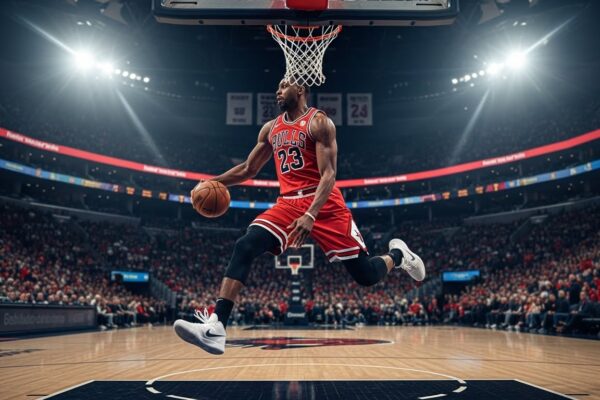
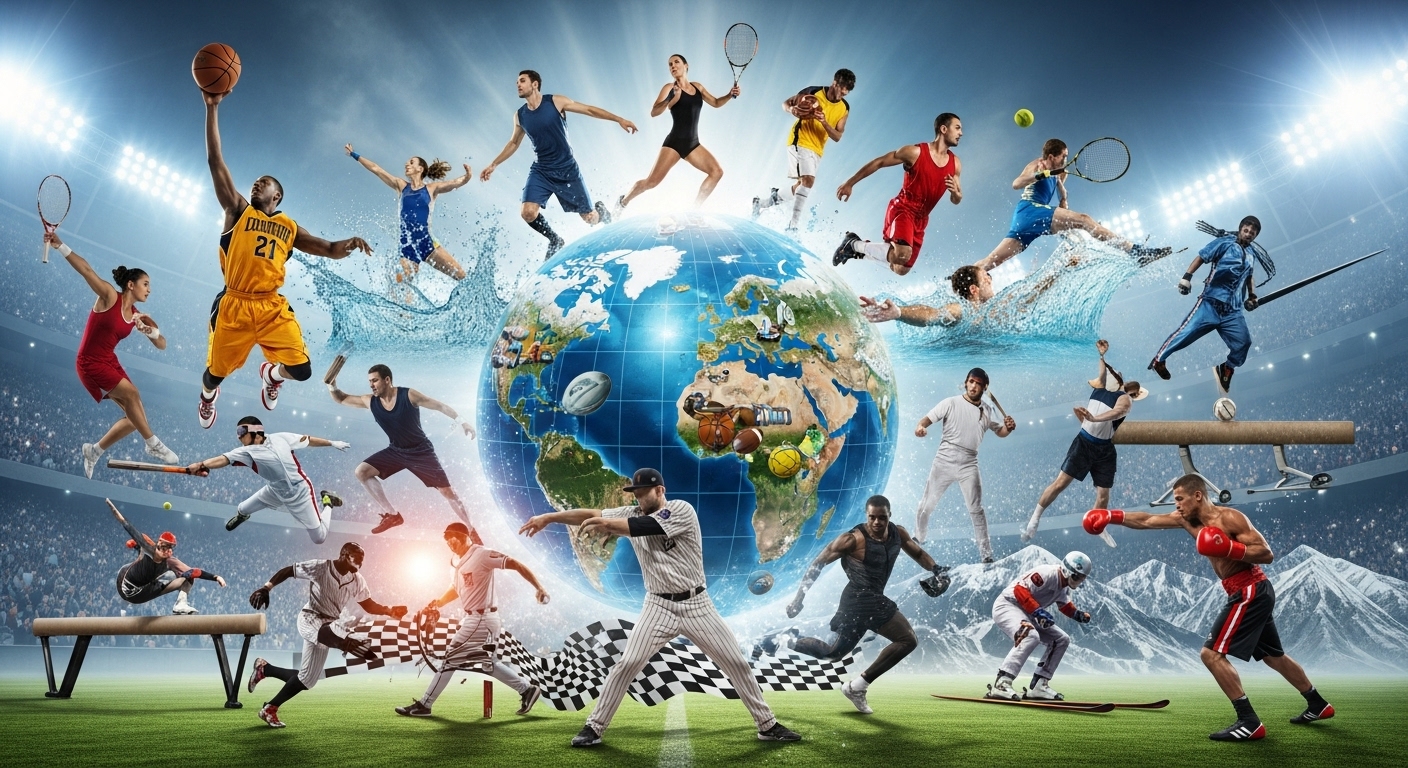
Sports have been an essential part of human culture for centuries. From ancient civilizations celebrating physical contests to modern global tournaments, sports transcend boundaries and unite people from all walks of life. More than just games, sports represent a platform for personal growth, social connection, and cultural expression. They embody values such as dedication, perseverance, teamwork, and fair play. The influence of sports extends beyond the playing field, impacting mental health, education, the economy, and social development. This blog explores the profound role sports play in shaping individuals and society.
Personal Growth Through Sports
Engaging in sports encourages personal development in ways that few other activities can. Athletes face constant challenges, both physical and mental, that test their limits and push them to improve. Learning to cope with victories and defeats fosters resilience and builds character. Children who participate in sports gain essential life skills such as discipline, time management, and goal-setting.
Sports teach the value of persistence. A missed goal, a lost match, or a difficult competition is not an end but an opportunity to learn and grow. Athletes develop self-confidence as they overcome obstacles, and they acquire a mindset that emphasizes effort and improvement rather than just outcomes. These lessons extend far beyond sports, influencing academics, careers, and relationships.
Teamwork and Collaboration
Team sports, including football, basketball, cricket, and volleyball, teach individuals the importance of working together. Success depends not only on individual talent but also on coordination, communication, and mutual support. Players learn to recognize their own strengths and weaknesses while understanding how to complement their teammates’ abilities.
These skills translate into real-life situations. Individuals who participate in team sports often become effective communicators, leaders, and collaborators. The experience of navigating challenges with a team, managing conflicts, and celebrating collective success prepares athletes for professional and social settings where cooperation is crucial.
Physical Health and Fitness
Sports provide significant physical health benefits. Regular participation improves cardiovascular endurance, muscle strength, flexibility, and overall fitness. In addition, engaging in sports reduces the risk of obesity, diabetes, heart disease, and other lifestyle-related illnesses.
Physical activity also has a positive impact on mental well-being. Exercise triggers the release of endorphins, reducing stress and enhancing mood. The structured nature of sports provides a sense of routine and purpose, which can improve emotional stability. Beyond physical benefits, sports help individuals develop healthy habits and maintain long-term wellness.
Mental Strength and Resilience
Sports challenge the mind as much as the body. Athletes learn to focus, strategize, and make quick decisions under pressure. Handling wins and losses gracefully teaches emotional regulation and resilience. Learning from mistakes and striving for improvement fosters a growth mindset that can be applied to all areas of life.
For children and young adults, participating in sports provides an early foundation for coping with stress and overcoming setbacks. For adults, it serves as a constructive outlet for stress relief and mental rejuvenation. The mental benefits of sports highlight their importance beyond mere physical activity.
Social Impact and Community Building
Sports have a unique ability to bring people together. Local clubs, recreational leagues, and national tournaments create opportunities for social interaction and community engagement. Fans gather to support teams, celebrate victories, and share the thrill of competition. Sports foster a sense of belonging, uniting people across cultural, economic, and social boundaries.
Community sports programs offer mentorship opportunities. Experienced players and coaches guide younger participants, instilling values of discipline, teamwork, and fair play. The collective enthusiasm around sports events strengthens social bonds and builds a sense of pride within communities.
Sports and Education
Educational institutions recognize the value of sports in developing well-rounded individuals. Participation in athletics encourages discipline, focus, and time management. Students who engage in sports learn to balance academics with physical activity, developing organizational and prioritization skills.
Sports also teach ethical lessons. Fair play, honesty, and respect for opponents are core principles embedded in athletic competition. Learning to accept victories with humility and defeats with dignity fosters character development and moral integrity. These lessons complement formal education and prepare students for life beyond the classroom.
Economic Influence of Sports
Sports play a significant role in the economy. Professional leagues, tournaments, and international events generate employment for athletes, coaches, referees, trainers, and administrative staff. Merchandise sales, sponsorships, and media coverage contribute to substantial economic activity.
Local economies also benefit from sports. Gyms, sports equipment stores, training academies, and recreational facilities create jobs and stimulate commerce. Hosting national or international events attracts tourism, boosts hospitality services, and strengthens infrastructure. The economic impact of sports demonstrates their importance beyond entertainment and physical activity.
Technology and Modern Sports
Advancements in technology have transformed the world of sports. Performance tracking devices, analytics, and modern equipment enhance athlete training and reduce injury risks. Fans can now engage with their favorite sports and teams through live broadcasts, online platforms, and instant updates, making sports more accessible than ever.
Virtual training programs and digital coaching tools allow individuals to learn and improve regardless of location. Technology also enables fairer officiating and improved strategies, making games more competitive and exciting. The integration of technology has elevated sports to a new era of precision, entertainment, and engagement.
Sports as Inspiration and Social Change
Athletes often serve as role models. Their dedication, perseverance, and success inspire millions of people worldwide. Sports stories of triumph over adversity motivate individuals to push their boundaries and chase their dreams.
Many athletes use their influence to advocate for social causes, raising awareness about inequality, health issues, and education. Sports provide a platform to reach audiences globally, making it a powerful tool for social change. Athletes demonstrate that competition can coexist with responsibility, leadership, and advocacy, highlighting the societal impact of sports beyond entertainment.
Major Sporting Events and Global Unity
International tournaments like the Olympics, World Cup, and global championships exemplify the unifying power of sports. They bring together nations, cultures, and fans, celebrating diversity and excellence. Such events promote global understanding, mutual respect, and shared passion.
The excitement of major competitions goes beyond the field. Fans engage in discussions, predictions, and celebrations, creating a sense of community and shared experience. Sporting events serve as festivals of culture and talent, demonstrating that sports can transcend political, cultural, and linguistic barriers.
Lifelong Participation and Wellness
Sports are not limited to youth or professional athletes; they can be enjoyed throughout life. Adults participate in recreational leagues, fitness clubs, running groups, and individual sports like swimming or cycling. Lifelong involvement in sports supports physical health, mental agility, and social connection.
Maintaining active engagement in sports encourages continuous learning, personal challenge, and goal setting. It provides a sense of purpose and enjoyment, reinforcing the idea that sports are a lifelong companion that enriches life at every stage.
Conclusion: The Enduring Legacy of Sports
Sports are far more than games; they are a reflection of life itself. They teach resilience, teamwork, discipline, and ethical values. They foster physical fitness, mental strength, and social unity. Sports inspire individuals, strengthen communities, and contribute to economies. They connect people across the globe, celebrate human potential, and provide a platform for social change.
Engaging with sports, whether as a player, a fan, or a supporter, offers lessons that extend far beyond the playing field. Sports remind us of the power of effort, the importance of collaboration, and the joy of shared experiences. They are a timeless force that shapes not just athletes but humanity itself.