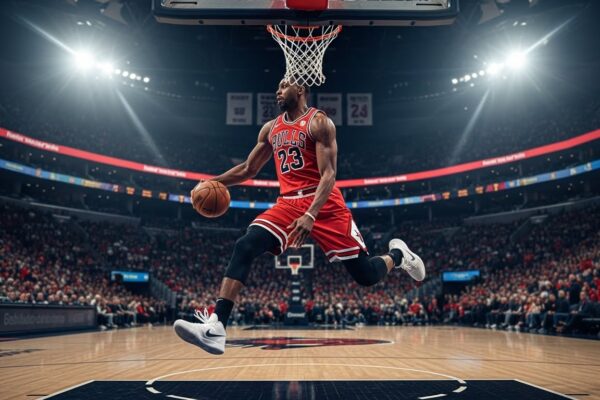

Sports have long been an essential part of human civilization. From ancient times, where the Greeks introduced the Olympic Games, to today’s globally followed events like the FIFA World Cup or the Olympics, sports have transcended beyond simple games to become a cultural phenomenon. Whether you’re an active participant or an enthusiastic fan, sports hold undeniable value, not just in entertainment, but in health, social structure, and even economic growth. This article explores the multifaceted nature of sports and its profound impact on both individuals and society as a whole.
The Physical Benefits of Sports: More than Just Fitness
The most apparent benefit of engaging in sports is the positive effect on physical health. In an age where sedentary lifestyles and desk jobs are increasingly common, sports serve as a vital countermeasure, promoting fitness, strength, and overall health.
Enhancing Cardiovascular Health
Regular participation in sports activities is one of the most effective ways to improve cardiovascular health. Sports such as swimming, running, cycling, or team sports like soccer and basketball elevate the heart rate, which strengthens the heart and improves blood circulation. The continuous movement involved in these activities helps to lower the risk of cardiovascular diseases, including heart attacks, strokes, and high blood pressure.
In addition to strengthening the heart, these activities also improve lung function, increasing the body’s ability to oxygenate the blood and improve overall endurance. This increased efficiency of the cardiovascular system leads to better energy levels throughout the day and can significantly enhance one’s quality of life.
Building Muscles and Bone Strength
Sports are essential for building muscular strength and increasing bone density. Weight-bearing activities, such as running, football, and basketball, stimulate bone growth and help to prevent conditions like osteoporosis in later life. When the bones are subjected to stress during activities like jumping, running, or lifting, they become stronger and denser over time.
In addition to bones, muscles also get stronger through consistent engagement in sports. Muscular endurance, strength, and flexibility are all developed during physical activity. Whether it’s through resistance training or sports that require agility and strength like wrestling or tennis, regular exercise builds muscle mass and tones the body.
Weight Management and Fat Reduction
In today’s world, where obesity rates are a growing concern, sports provide a natural way to manage weight and reduce body fat. Participation in various sports, especially those that require high-intensity activity such as basketball, rugby, or cycling, helps the body burn excess calories. Sports not only help you lose weight but also help you maintain a healthy body composition, ensuring a balance between muscle and fat. This is crucial for long-term health and well-being.
Furthermore, sports promote a metabolic rate boost. When we engage in physical activities, the metabolism speeds up, and the body continues to burn calories even after the activity has ended. This is known as the “afterburn effect,” and it can help individuals maintain a healthy weight without constantly worrying about dieting.
The Mental Health Benefits: Beyond the Physical
While the physical benefits of sports are widely recognized, the positive impact on mental health is just as profound. Physical activity is known to release chemicals in the brain that can improve mood and emotional well-being, providing relief from stress, anxiety, and depression.
Stress Relief through Exercise
One of the most powerful mental health benefits of sports is their ability to reduce stress. When you engage in physical activity, the body releases endorphins—also known as “feel-good” hormones. These chemicals have a natural calming effect on the brain, helping to reduce feelings of stress, anxiety, and tension. This is why physical activity is often recommended by health professionals to individuals experiencing high levels of stress or mental fatigue.
Additionally, sports provide an escape. They offer a temporary break from the pressures of work, school, or personal challenges. The focus required during physical activities takes attention away from daily worries, helping individuals feel more relaxed and centered.
Boosting Confidence and Self-Esteem
Sports also serve as a powerful tool for building confidence and self-esteem. Achieving a goal, whether it’s winning a game, setting a new personal record, or simply improving your skills, can significantly boost your sense of self-worth. The sense of accomplishment that comes with overcoming challenges in sports builds confidence that extends into other areas of life.
The positive body image that comes with regular participation in sports is another important factor. As individuals become fitter and stronger, they develop a better appreciation for their bodies and feel more confident in their physical appearance.
Mental Clarity and Cognitive Function
Engaging in sports doesn’t just help with emotional health; it also benefits cognitive function. Studies have shown that physical activity increases blood flow to the brain, which can help improve memory, concentration, and overall brain function. Sports that require strategic thinking and problem-solving—such as soccer, basketball, and tennis—also stimulate mental processes, enhancing cognitive abilities.
Regular physical activity has been shown to reduce the risks of cognitive decline and mental diseases like Alzheimer’s disease. Furthermore, research suggests that regular exercise can improve focus and decision-making abilities, helping athletes perform better in their sports and everyday life.
Developing Mental Toughness and Resilience
Sports are also a great way to develop mental toughness. Athletes are often faced with obstacles, whether it’s a tough opponent, a losing streak, or an injury. Overcoming these challenges requires resilience—the ability to bounce back from setbacks and stay focused on long-term goals.
Sports teach individuals to handle both success and failure with grace. The ability to cope with pressure, manage emotions, and maintain focus under challenging circumstances is a valuable skill that can be applied in various aspects of life, from professional work to personal relationships.
The Social Power of Sports: Building Communities and Relationships
Sports have an immense ability to unite people. Whether it’s through playing in a local league or supporting a favorite professional team, sports help foster a sense of belonging, cooperation, and shared experience.
Teamwork and Cooperation
Team sports, in particular, are excellent for teaching valuable life skills such as teamwork and cooperation. In sports like football, volleyball, and basketball, players must work together to achieve a common goal. The ability to communicate, trust others, and share responsibilities are all key components of a successful team.
Teamwork in sports teaches individuals how to collaborate in a group, resolve conflicts, and support others. These skills are highly transferable to real-world situations, whether in the workplace or in personal relationships. Being part of a team fosters a sense of unity, as athletes learn that their individual success is tied to the success of the group.
Fostering Social Connections
Sports provide a platform for individuals to form meaningful social connections. Whether through joining a community team, participating in recreational leagues, or attending major sports events, sports offer opportunities for people to meet others with similar interests. In many cases, these connections lead to lasting friendships.
Even for those who are not actively playing, being a fan of a sport can create a sense of community. Fans gather to cheer for their favorite teams, attend games, and engage in discussions about the sport. This shared interest in a sport or team brings people together, creating bonds that can last a lifetime.
Cultural Exchange and Diversity
Sports are a global phenomenon that transcends geographical boundaries, creating opportunities for cultural exchange. Major international sporting events, like the Olympics and the World Cup, bring people from diverse backgrounds together to celebrate their shared love of sport.
Through sports, individuals learn about different cultures, perspectives, and lifestyles. Whether it’s watching international competitions or participating in events with people from other countries, sports break down cultural barriers and foster understanding and respect.
Leadership Development
Participating in sports, especially in team settings, can help individuals develop leadership skills. Athletes often take on leadership roles, whether as captains, mentors, or motivators for their teams. The ability to inspire and lead others is an invaluable skill that can be applied in numerous aspects of life, including at work, in school, and in the community.
Leadership in sports teaches individuals how to manage both success and failure, make decisions under pressure, and support their peers. These qualities make strong leaders in sports, and these same qualities make them effective leaders in other areas of life.
The Economic Impact of Sports: A Global Industry
Sports have a tremendous economic impact on local, national, and global economies. The sports industry generates billions of dollars annually and supports millions of jobs worldwide.
Employment Opportunities in Sports
The sports industry provides a wide range of employment opportunities. Professional athletes are the most visible, but they are supported by a vast network of coaches, trainers, medical staff, event organizers, marketers, and media professionals. In addition, companies that produce sports equipment, clothing, and technology benefit from the global demand for sports-related products.
Sports tourism also plays a major role in the global economy. Cities and countries that host international events such as the Olympics, World Cup, or Super Bowl benefit from the influx of visitors, providing a significant boost to the hospitality, transportation, and service industries.
Sponsorship and Advertising
Sponsorships and advertising are a major source of revenue for sports teams and organizations. Companies are eager to sponsor major events, athletes, and teams in exchange for exposure to large, global audiences. The vast media coverage of sports allows advertisers to reach millions of people, which explains why sports are often considered one of the most effective advertising platforms.
Broadcasting rights also generate substantial income. Networks and streaming platforms pay hefty sums to secure the rights to air major sports events, knowing that these events attract massive viewership.
The Infrastructure and Development of Local Economies
In addition to the direct economic benefits, hosting major sporting events often leads to long-term improvements in local infrastructure. Cities invest in building sports arenas, upgrading public transportation, and improving public facilities to accommodate visitors and athletes. These investments help develop the city’s infrastructure and create jobs in construction, hospitality, and tourism.
Additionally, the legacy of major sporting events can have a lasting impact on a city’s economy. New sports venues, improved transportation systems, and greater international visibility can drive long-term economic growth and development.
The Future of Sports: Emerging Trends and Technologies
The future of sports is bright, with several emerging trends poised to transform the landscape. Technological advancements, growing inclusivity, and the rise of esports are just a few factors that will shape the future of sports.
Technology and Innovation
From wearable fitness trackers to virtual reality training, technology is already playing a massive role in the evolution of sports. Athletes are using cutting-edge technology to track their performance, optimize training, and recover more efficiently. Advances in medical technology also help athletes stay healthy and perform at their peak, reducing the risk of injury.
Virtual reality (VR) and augmented reality (AR) are revolutionizing the fan experience. These technologies allow fans to experience games in new, immersive ways, from virtually attending live events to engaging with interactive sports content.
Inclusivity and Gender Equality
The future of sports is moving toward greater inclusivity, with a growing emphasis on gender equality. Women’s sports have gained much-needed attention in recent years, with increased media coverage, sponsorship deals, and professional leagues. As societal attitudes shift, the focus on women’s sports is likely to expand, creating even more opportunities for female athletes.
Additionally, adaptive sports—designed for athletes with disabilities—are becoming more prominent. These sports provide individuals with disabilities the chance to compete, empowering them to lead active, fulfilling lives while challenging societal norms.
The Growth of Esports
Esports, or competitive video gaming, is rapidly becoming a global phenomenon. With millions of fans, professional leagues, and massive sponsorship deals, esports are quickly becoming a major force in the entertainment industry. Esports blurs the line between traditional sports and digital entertainment, attracting a younger generation of fans who are as passionate about gaming as others are about football or basketball.
Conclusion: The Endless Impact of Sports
Sports hold immeasurable value, not just as a form of entertainment, but as a powerful force for good in society. From improving physical health and mental well-being to fostering social connections and driving economic growth, sports have a far-reaching impact on individuals and communities worldwide. As the world continues to evolve, sports will undoubtedly continue to play a pivotal role in shaping our culture, promoting inclusivity, and inspiring future generations.