Introduction
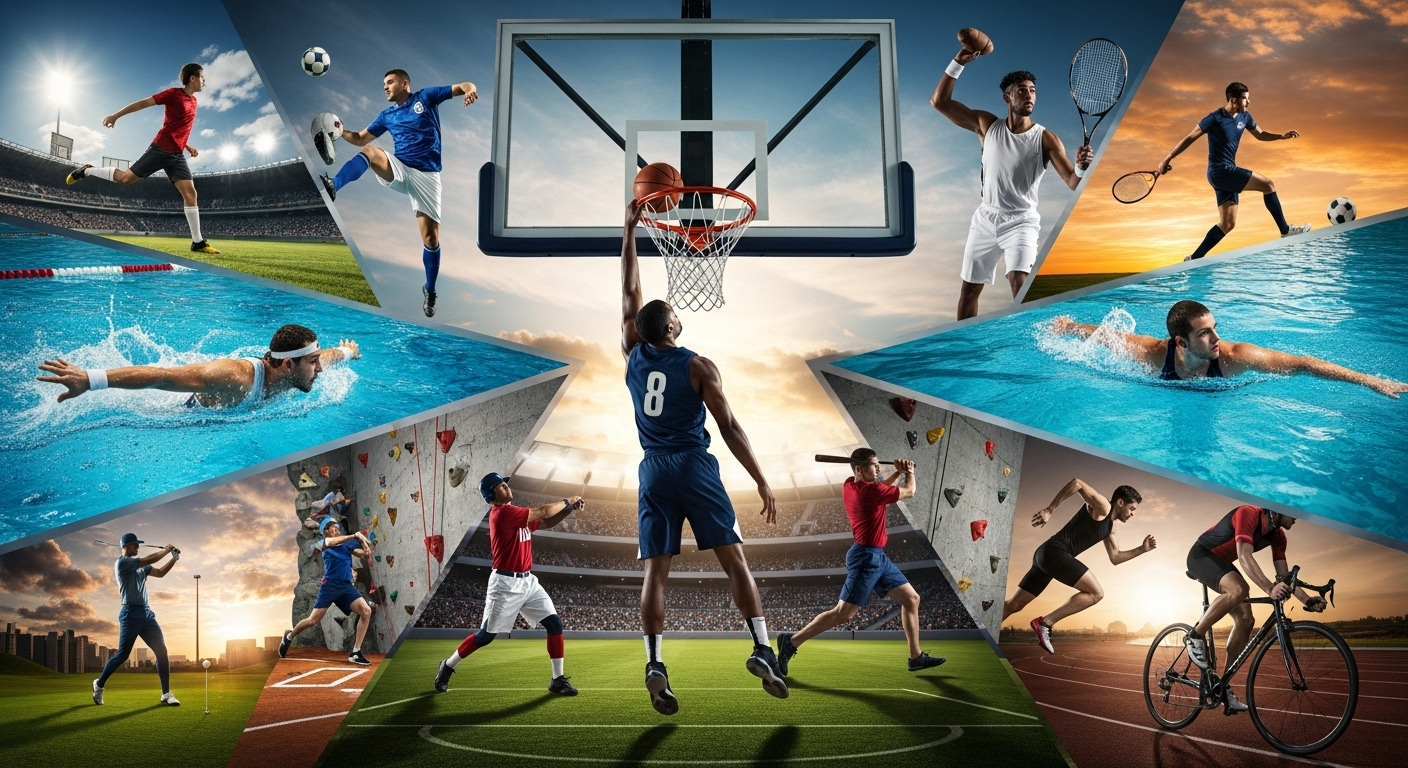
Sports have been an integral part of human society for centuries, reflecting our innate desire for competition, physical excellence, and social connection. From ancient Olympic Games to modern-day professional leagues, sports continue to evolve, shaping culture, community, and personal development. They are more than just games—they are a platform for teamwork, discipline, perseverance, and inspiration. This blog explores the multifaceted world of sports, its historical evolution, societal impact, psychological benefits, economic influence, and its role in shaping global culture.
The History and Evolution of Sports
Sports have existed in some form since ancient civilizations. Ancient Egyptians, Greeks, and Romans organized competitive events to demonstrate physical prowess, honor the gods, and entertain communities. The Olympic Games, originating in Greece over 2,700 years ago, became a symbol of athletic excellence and unity. Over centuries, sports evolved with societies, transitioning from informal competitions to structured leagues, tournaments, and professional organizations. Modern technology, media, and globalization have amplified the reach of sports, making them accessible to audiences worldwide and creating international icons out of athletes.
Physical Benefits of Sports
Participation in sports offers numerous physical benefits. Regular engagement improves cardiovascular health, muscular strength, flexibility, and overall endurance. Sports enhance coordination, balance, and motor skills, reducing the risk of chronic diseases. Physical activity also boosts the immune system, promotes healthy body weight, and supports long-term wellness. Beyond physical fitness, sports encourage discipline and routine, motivating individuals to maintain active lifestyles. Whether it is team sports, individual athletics, or recreational activity, sports provide a foundation for healthy living and longevity.
Psychological and Emotional Benefits
Sports influence mental and emotional well-being as much as physical health. Regular participation reduces stress, anxiety, and depression by releasing endorphins, the body’s natural mood elevators. Team sports cultivate social support, camaraderie, and a sense of belonging, enhancing emotional resilience. Sports also teach coping mechanisms, goal-setting, and perseverance in the face of setbacks. Competing and achieving milestones fosters confidence, self-esteem, and a growth mindset. Whether for professional athletes or recreational players, sports provide a valuable outlet for mental and emotional balance.
Team Sports and Social Skills
Team sports are an essential tool for developing social skills. Playing in a team requires communication, collaboration, and mutual respect. Athletes learn to navigate group dynamics, handle conflicts, and work toward collective goals. Team sports also foster leadership, responsibility, and empathy, as players must understand and support their teammates’ strengths and weaknesses. Beyond the field, these skills translate into everyday life, enhancing personal relationships, workplace effectiveness, and community engagement. Sports teach the value of cooperation while highlighting the importance of individual contributions.
Individual Sports and Personal Growth
While team sports emphasize collaboration, individual sports focus on personal development and self-discipline. Activities like swimming, running, tennis, or martial arts require athletes to set personal goals, measure progress, and hold themselves accountable. Individual sports teach focus, mental toughness, and resilience, as athletes face challenges largely on their own. The lessons learned from personal competition—perseverance, strategy, and determination—extend beyond sports, shaping character and fostering lifelong skills applicable to education, careers, and personal challenges.
Sports and Cultural Identity
Sports play a crucial role in shaping cultural identity and national pride. Countries often rally behind their athletes during international competitions, such as the Olympics or World Cup, creating shared experiences that unite citizens. Traditional sports reflect cultural heritage, passing down customs, rituals, and values from one generation to the next. Sports also act as a universal language, bridging cultural divides and fostering mutual understanding across communities. Through sports, societies celebrate diversity, honor traditions, and create collective memories that transcend borders.
The Role of Sports in Education
Sports are an integral part of education, providing opportunities for physical, social, and cognitive development. Schools and universities incorporate athletics to teach teamwork, discipline, and leadership. Student-athletes learn time management, resilience, and strategic thinking while balancing academics and training. Participation in school sports often opens doors to scholarships, higher education opportunities, and professional pathways. Education through sports emphasizes character building, work ethic, and holistic development, shaping students into well-rounded individuals prepared for life beyond the classroom.
Professional Sports and Global Influence
Professional sports are a significant cultural and economic force. Athletes inspire millions, becoming role models for perseverance, talent, and integrity. Leagues and tournaments generate massive audiences, drive media coverage, and influence global trends in fashion, lifestyle, and social behavior. The professional sports industry provides jobs, boosts tourism, and fuels local and national economies. High-profile athletes often use their platforms to advocate for social change, highlight charitable causes, and encourage positive community engagement. Professional sports embody excellence while connecting people across the globe.
Economic Impact of Sports
The economic influence of sports extends far beyond ticket sales. Sports infrastructure, media rights, merchandising, sponsorships, and advertising contribute significantly to national and local economies. Hosting major events stimulates tourism, urban development, and investment in public facilities. Sports-related businesses—from gyms and training centers to equipment manufacturers—create employment and entrepreneurial opportunities. The financial ecosystem around sports demonstrates the synergy between physical activity, entertainment, and economic growth, highlighting sports as both a cultural and economic asset.
Sports, Technology, and Innovation
Technology has transformed sports in multiple ways, from performance enhancement to fan engagement. Wearable devices, video analysis, and data analytics allow athletes and coaches to optimize training, track performance, and prevent injuries. Virtual reality and augmented reality provide immersive training simulations and fan experiences. Broadcasting technology has made sports globally accessible, connecting millions of viewers in real time. Innovation in sports technology not only improves competition but also expands participation and enjoyment, bridging the gap between athletes and fans.
Sportsmanship and Ethical Values
Sports teach essential ethical values, including fairness, respect, integrity, and accountability. The principles of sportsmanship encourage players to compete honorably, respect opponents, and accept outcomes gracefully. These values extend beyond athletics into personal, educational, and professional life, fostering moral development and ethical decision-making. Observing and practicing fair play instills a sense of justice and social responsibility, shaping individuals who value character as much as achievement. Sports are a practical avenue for reinforcing ethical behavior and positive societal norms.
Women in Sports
The role of women in sports has grown significantly, challenging gender stereotypes and promoting equality. Female athletes excel in a variety of disciplines, inspiring new generations and reshaping perceptions of athletic ability. Organizations and leagues dedicated to women’s sports have expanded opportunities, visibility, and professional pathways. Advocacy for equal pay, media coverage, and resources continues to advance the recognition of women in sports. Promoting gender inclusivity not only strengthens the sports industry but also encourages societal progress toward equality and empowerment.
Sports and Mental Health
Participation in sports positively impacts mental health, providing stress relief, focus, and a sense of accomplishment. Exercise stimulates the release of endorphins, improving mood and reducing anxiety. Engaging in regular physical activity helps manage depression, enhances cognitive function, and supports overall emotional well-being. Competitive sports offer coping mechanisms for pressure and setbacks, teaching resilience and patience. Through physical activity, social connection, and personal achievement, sports contribute to a balanced and healthy mental state.
The Future of Sports
The future of sports is shaped by technology, inclusivity, and global connectivity. Esports and virtual competitions are expanding the definition of sports, offering new opportunities for participation and viewership. Data-driven training, AI-assisted coaching, and wearable technology will continue to enhance athlete performance. Sustainability initiatives are influencing event planning, stadium design, and equipment manufacturing. The integration of physical, digital, and social elements ensures that sports will remain a central aspect of culture, education, and community life for generations to come.
Conclusion
Sports are far more than games—they are a reflection of human potential, culture, and society. They inspire physical fitness, mental resilience, social connection, and ethical development. From grassroots participation to professional leagues, sports influence education, economics, global culture, and technological innovation. They foster inclusivity, gender equality, and cultural pride, while teaching invaluable life skills. In every corner of the world, sports continue to bring people together, shape identities, and encourage excellence. Beyond the competition and accolades, sports are a celebration of human spirit, perseverance, and the timeless pursuit of greatness.