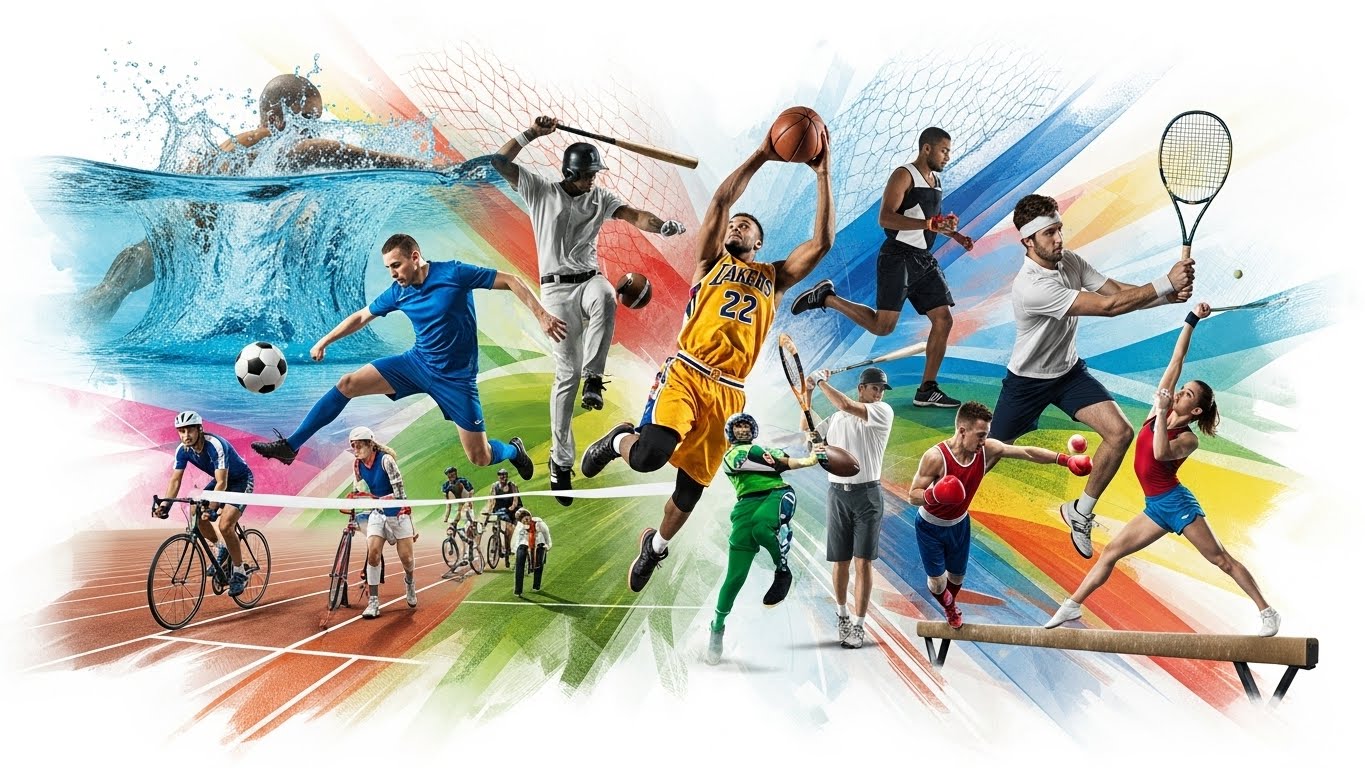
Sports have been a part of human civilization for centuries, evolving from simple tribal games to the complex, highly competitive, and globally followed events we see today. While many view sports as just a form of entertainment or a way to keep fit, their true significance extends far beyond the field of play. Sports, in all their forms, have a profound impact on society, culture, and the individual, shaping lives, building communities, and even influencing nations. In this blog post, we will explore the many dimensions of sports, including their psychological, social, and cultural impact, as well as how they transcend mere competition to foster unity, resilience, and personal growth.
The Psychological Benefits of Sports
One of the most profound benefits of participating in sports is its effect on mental health. Engaging in physical activity has been shown to reduce stress, anxiety, and depression, promoting a healthier mental state. Whether it’s the endorphin rush from running, the focus required in tennis, or the teamwork involved in soccer, sports help release tension and provide an escape from daily worries.
Moreover, sports can significantly boost self-esteem and confidence. The feeling of accomplishment after mastering a skill or winning a match fosters a sense of personal pride and self-worth. This psychological uplift is especially important for young people, as sports can provide an avenue for them to express themselves, build resilience, and deal with the ups and downs of life.
Sports also teach important life skills, such as discipline, focus, and perseverance. These qualities not only help athletes succeed in their respective sports but also translate into their personal and professional lives. The process of setting goals, working hard, and dealing with failure can be incredibly valuable, teaching lessons that last a lifetime.
Sports as a Social Connector
Beyond the individual, sports have a unique ability to bring people together. From the local level, where friends and neighbors compete in amateur leagues, to the international stage, where millions of people watch global tournaments like the FIFA World Cup or the Olympic Games, sports create a sense of belonging and shared experience.
On a community level, sports clubs and teams foster social interaction and collaboration. People from diverse backgrounds come together to support a common cause, whether it’s cheering for a hometown team or playing together in a recreational league. This sense of unity strengthens social bonds and can even contribute to reducing social divides. In a world where many people feel increasingly isolated, sports offer a rare opportunity for individuals to connect and build relationships with others who share similar interests.
Internationally, sports play an even more significant role in fostering diplomacy and peace. Events like the Olympics, for example, bring together nations from all corners of the globe, promoting mutual understanding, cultural exchange, and respect. In times of political tension, sporting events can act as neutral ground, where countries set aside differences to compete in the spirit of friendly rivalry.
The Cultural Impact of Sports
Sports are deeply embedded in the cultural fabric of societies around the world. They reflect the values, traditions, and identity of nations. Whether it’s the passion of soccer in Brazil, the skill of cricket in India, or the discipline of sumo wrestling in Japan, each sport carries its own unique cultural significance. For many, sports are not just a game; they are a way of life, a means of preserving tradition, and a source of national pride.
In some cultures, sports serve as a vehicle for storytelling. They represent the struggles and triumphs of individuals and teams, echoing the larger stories of the culture itself. The success of a team or an athlete can be seen as a microcosm of a nation’s own journey, its battles, victories, and the values it holds dear.
In addition to their role in identity formation, sports also act as an instrument for social change. Over the years, athletes have used their platforms to advocate for justice, equality, and human rights. Historical moments like Muhammad Ali’s stand against the Vietnam War, Jackie Robinson breaking baseball’s color barrier, and more recent protests for racial equality have demonstrated how sports can be a powerful tool for societal progress.
The Economic Influence of Sports
Sports also play a significant role in the global economy. The sports industry is a multi-billion-dollar sector, encompassing everything from professional leagues, merchandise sales, sponsorship deals, to broadcasting rights. The financial impact of major sporting events, such as the Super Bowl, the FIFA World Cup, and the Olympic Games, cannot be overstated. These events generate substantial revenue, create jobs, and provide a boost to local economies.
Beyond the professional level, sports also have a positive impact on local businesses. Amateur leagues and youth sports programs bring in money through registration fees, local sponsorships, and attendance at events. Sports tourism, which includes people traveling to watch events or participate in competitions, has also become an increasingly important sector, benefiting hotels, restaurants, and other local services.
Moreover, the economic benefits of sports are not just confined to the professionals. Physical activity, which is central to most sports, contributes to the overall health and productivity of the population. When more people are engaged in regular exercise, the economic burden of healthcare costs associated with sedentary lifestyles, such as obesity and heart disease, can be reduced.
The Role of Technology in Modern Sports
In the modern world, technology has transformed how sports are played, watched, and experienced. Advancements in training methods, equipment, and data analytics have allowed athletes to push their limits and achieve feats once thought impossible. For example, sports such as swimming, track and field, and cycling have all seen record-breaking performances thanks to improvements in technology, from high-tech swimsuits to aerodynamic bicycles.
On the spectator side, technology has revolutionized the way fans interact with sports. Television broadcasts, online streaming services, and social media platforms have made it easier than ever to follow events from anywhere in the world. Virtual reality (VR) and augmented reality (AR) are also beginning to make their mark on the viewing experience, offering fans immersive ways to engage with their favorite teams and athletes.
Furthermore, data and analytics have become an integral part of sports strategy. Coaches and teams now rely on advanced statistics to make decisions about player performance, game tactics, and even injury prevention. This data-driven approach is transforming the way sports are played, making them more efficient and precise.
Sports and the Path to Personal Growth
While many people enjoy sports for the thrill of competition or as a form of entertainment, the true power of sports lies in their ability to foster personal growth. For athletes, whether professional or amateur, the journey is often about much more than just winning a game or a trophy. It’s about self-discipline, resilience, and the ability to push through challenges.
Through sports, individuals learn how to cope with adversity. Every athlete faces setbacks—whether it’s an injury, a loss, or a moment of self-doubt—but how they respond to those challenges defines their character. The mental fortitude developed through sports can be applied to all areas of life, helping people navigate challenges in their personal relationships, careers, and everyday situations.
Sports also teach the importance of teamwork. Even in individual sports, athletes must work with coaches, teammates, and support staff to achieve their goals. The ability to collaborate and communicate effectively is a skill that transcends the playing field and is vital in both personal and professional settings.
The Global Impact of Sports
Finally, it is essential to acknowledge the global reach and unifying power of sports. In a world that is often divided by politics, culture, and geography, sports offer a common language that transcends borders. Major international events like the FIFA World Cup, the Olympic Games, and the Tour de France draw millions of viewers and participants from around the world, all sharing the same passion for the competition.
Sports also provide a platform for inspiring stories of perseverance, determination, and hope. They give voice to individuals from all walks of life, and in doing so, create a shared sense of humanity. The unifying nature of sports fosters a spirit of peace and mutual respect, helping to bridge gaps and overcome differences.
Conclusion
In conclusion, sports are much more than just games—they are a powerful force that shapes our lives in profound ways. From improving our mental and physical health to fostering social connections, sports impact every aspect of our existence. They provide a platform for personal growth, contribute to the economy, and serve as a unifying force on the global stage. Whether you’re playing, watching, or simply enjoying the spectacle of competition, sports offer something for everyone, making them an essential part of human culture. So, the next time you lace up your sneakers or cheer on your favorite team, remember that you’re participating in something much larger than yourself—something that has the power to change lives, shape societies, and inspire the world.