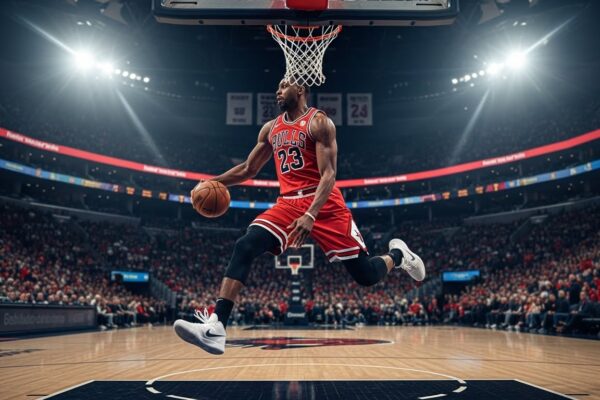
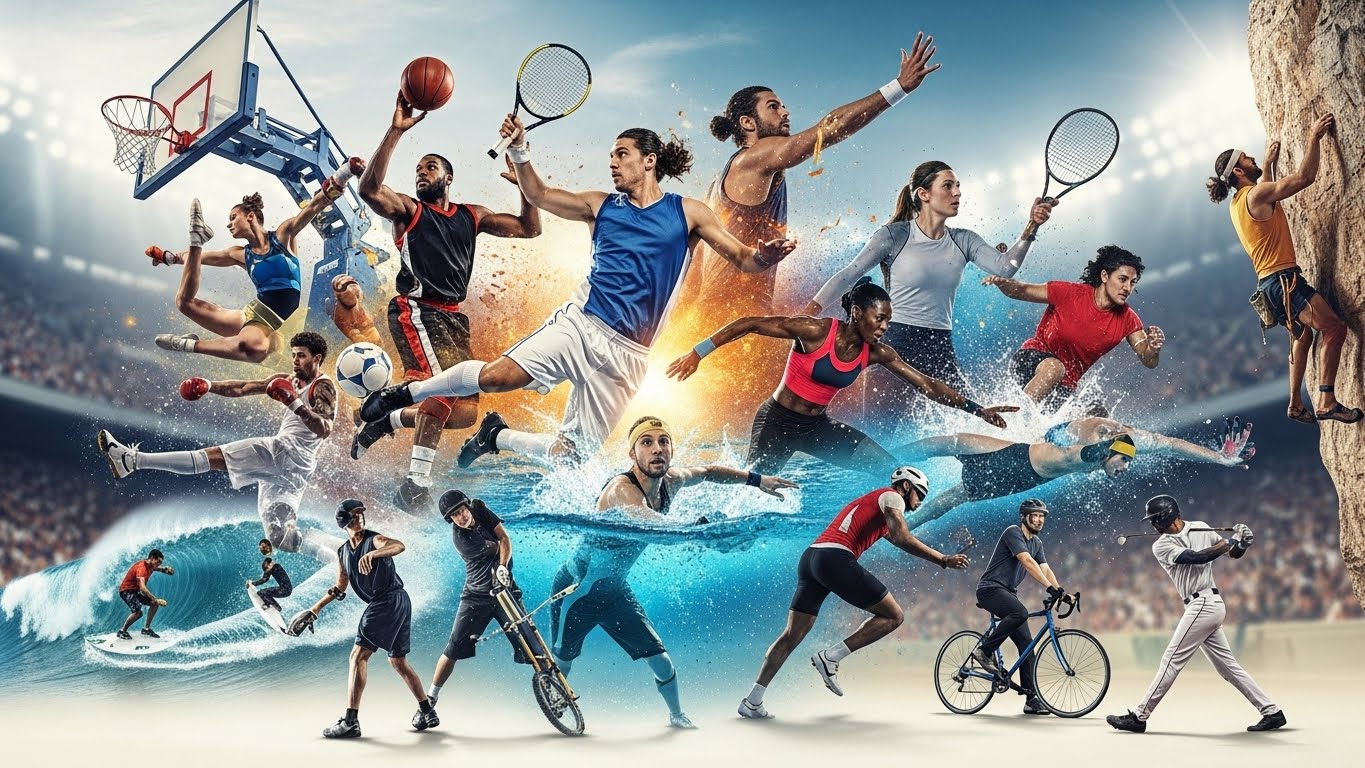
Sports have always been more than just games played on fields or courts. They are a reflection of society, a test of human limits, and a celebration of teamwork, discipline, and determination. From ancient civilizations to modern-day global events, sports have consistently played a crucial role in shaping human culture and connecting communities. This blog delves into the multifaceted impact of sports, exploring its physical, mental, and societal benefits, while also reflecting on its transformative power across generations.
The Evolution of Sports
The origins of organized sports date back thousands of years. Ancient civilizations such as Egypt, Greece, and China had games that were not only forms of entertainment but also a way to train warriors, showcase strength, and celebrate festivals. The Olympic Games in ancient Greece, for example, were both a religious and cultural event, highlighting the significance of physical excellence and unity among city-states. Over centuries, sports evolved into structured competitions, adopting rules, teams, and scoring systems that created fairness and excitement.
In modern times, the influence of technology and media has transformed sports into a global phenomenon. The invention of television, followed by the rise of digital streaming, has allowed fans from every corner of the world to witness incredible feats of athleticism in real-time. Social media now allows athletes to directly connect with fans, inspiring millions with their journeys, struggles, and triumphs. Sports are no longer limited by geography; they are a shared experience that transcends borders.
Physical Benefits of Engaging in Sports
One of the most apparent advantages of participating in sports is its impact on physical health. Regular physical activity through sports helps strengthen muscles, improve cardiovascular health, enhance flexibility, and maintain a healthy weight. Different sports offer unique benefits; swimming improves lung capacity and overall endurance, while sports like tennis and badminton enhance agility, reflexes, and hand-eye coordination.
Beyond individual physical health, team sports encourage social physical engagement. Activities such as football, basketball, and volleyball require coordinated movements, strategic planning, and constant interaction among team members. These interactions naturally promote physical stamina while fostering collaboration, communication, and leadership skills. Additionally, outdoor sports encourage exposure to sunlight, which boosts Vitamin D levels, critical for bone health and overall immunity.
Mental and Emotional Benefits
While physical health is crucial, sports are equally beneficial for mental well-being. Regular engagement in sports can reduce stress, anxiety, and symptoms of depression. Physical activity stimulates the release of endorphins, often referred to as the “feel-good” hormones, which naturally elevate mood and enhance mental clarity.
Sports also teach discipline and perseverance. Athletes learn to set goals, overcome challenges, and push beyond their comfort zones. The process of training, competing, and sometimes facing defeat fosters resilience—a skill that translates into everyday life, whether in academics, careers, or personal relationships. Sports provide a safe and structured environment to channel energy, emotions, and focus, offering both therapeutic and cognitive benefits.
Furthermore, the sense of accomplishment from mastering a skill or winning a competition boosts self-esteem. Young athletes, in particular, develop a strong sense of identity and confidence through sports, learning early on the value of hard work, dedication, and persistence. Emotional intelligence is also honed as players navigate team dynamics, handle victories gracefully, and deal with setbacks constructively.
Sports as a Social Connector
One of the most profound roles of sports is its ability to bring people together. Stadiums filled with cheering fans, local parks buzzing with weekend tournaments, and international competitions that captivate global audiences all demonstrate sports’ unique power to unite. Regardless of nationality, ethnicity, or socio-economic status, sports create a shared space where people celebrate, compete, and support one another.
Sports also bridge generational gaps. Parents introduce their children to traditional games they once played, while younger generations bring fresh perspectives, techniques, and enthusiasm. This shared experience strengthens family bonds and creates lasting memories. Community sports leagues, amateur competitions, and recreational clubs serve as hubs for social interaction, fostering friendships, mentorships, and networking opportunities.
On a larger scale, international sports events like the World Cup, the Olympics, or global marathons promote cross-cultural understanding. They showcase the diversity of human talent, encourage respect for different cultures, and often inspire movements that transcend the sports arena, such as campaigns for gender equality, racial inclusivity, and environmental awareness.
The Role of Technology in Modern Sports
Technology has revolutionized both the way sports are played and how they are consumed. Advanced equipment, wearables, and analytics tools have enhanced athletes’ performance, reduced the risk of injuries, and allowed for precise monitoring of physical metrics. Coaches now rely on data-driven strategies to optimize training, analyze opponents, and develop game plans with unprecedented accuracy.
Virtual reality and simulation training are emerging trends, allowing athletes to practice in highly realistic environments without physical strain. Fans also benefit from these technological advancements; live statistics, instant replays, and immersive broadcast experiences make viewing sports more engaging than ever before.
E-sports represent another significant technological shift. Competitive gaming has grown into a global industry, attracting millions of viewers and offering new opportunities for athletes who excel in digital arenas. Though unconventional compared to traditional sports, e-sports emphasize strategy, reflexes, teamwork, and mental endurance, proving that the essence of sports transcends physical limitations.
Sports and Education
Sports play a crucial role in educational systems worldwide. Schools and universities often integrate sports programs to promote holistic development, ensuring students grow not only academically but also physically, mentally, and socially. Participation in sports enhances time management skills, boosts academic performance by improving concentration, and teaches students how to balance responsibilities effectively.
Scholarships and collegiate sports programs provide talented athletes with opportunities to pursue higher education while honing their athletic abilities. These programs emphasize discipline, accountability, and leadership—qualities that extend well beyond the classroom. For many students, sports serve as a pathway to career opportunities, life skills, and personal growth that might otherwise be inaccessible.
Sports as a Catalyst for Social Change
Throughout history, sports have often been a platform for social change. Athletes have used their visibility and influence to advocate for civil rights, equality, and humanitarian causes. The courage and determination displayed on the field often mirror the resolve required to challenge societal norms and injustices. From breaking racial barriers to promoting gender equality in professional leagues, sports have consistently served as a microcosm of broader social movements.
Furthermore, sports initiatives are increasingly being used to address public health, youth engagement, and community development. Grassroots programs encourage participation in underserved areas, offering children and teenagers a constructive outlet, teaching teamwork, and reducing delinquency. By promoting inclusion and accessibility, sports become a tool for empowerment, giving people from all walks of life an opportunity to thrive.
Challenges in the World of Sports
Despite its numerous benefits, the world of sports faces challenges that cannot be ignored. Issues such as doping, corruption, and commercialization threaten the integrity of competitions. Excessive pressure on young athletes can lead to mental health struggles, burnout, and injury. Gender inequality and lack of representation remain significant hurdles, particularly in certain sports and regions.
Addressing these challenges requires a collective effort from governing bodies, coaches, athletes, and communities. Ethical practices, fair regulations, and awareness campaigns are essential to ensure that sports remain a positive force. Encouraging a culture of respect, inclusivity, and sportsmanship can safeguard the true spirit of play for generations to come.
The Future of Sports
The future of sports is poised for exciting transformations. Emerging technologies, evolving training methods, and growing global interest promise innovations in performance, safety, and accessibility. The increasing popularity of adaptive sports for individuals with disabilities reflects a broader commitment to inclusivity, highlighting that sports are truly for everyone.
Environmental sustainability is becoming a central focus, with sporting events and facilities adopting eco-friendly practices to reduce their carbon footprint. Community-driven initiatives, health-focused programs, and digital engagement strategies will continue to expand sports’ reach and relevance, making them an even more integral part of modern life.
In essence, sports will remain a mirror of human ambition, creativity, and collaboration. Whether through competitive excellence, recreational play, or social impact, sports will continue to inspire, challenge, and connect people worldwide.
Conclusion
Sports are far more than games—they are a celebration of human potential, a bridge between cultures, and a catalyst for personal and societal growth. Their influence spans physical health, mental resilience, social bonding, education, and social change. In a world often divided by differences, sports offer a unifying force, reminding us of our shared humanity and the limitless possibilities that emerge when talent, effort, and passion converge.
The pulse of play beats within every athlete, fan, and community member, shaping lives and cultures in ways that go far beyond the scoreboard. By embracing sports not only as competition but also as a vehicle for growth, connection, and inspiration, we ensure that the legacy of play continues to enrich generations to come.