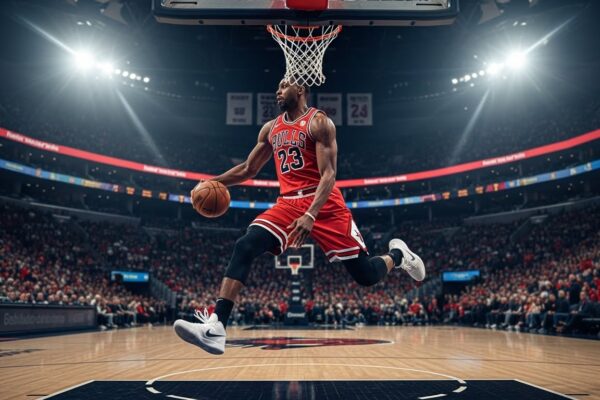

Sports have been an integral part of human civilization since time immemorial. From ancient gladiatorial contests in Rome to modern-day Olympics, sports have captured the imagination of people worldwide. They are more than just games; they are a reflection of culture, human endurance, skill, and spirit. In this comprehensive blog, we will explore the multifaceted world of sports, its evolution, impact, popular disciplines, emerging trends, and the extraordinary influence it has on society and individuals.
The History of Sports: A Journey Through Time
The origins of organized sports can be traced back thousands of years. Ancient civilizations such as Mesopotamia, Egypt, and Greece organized competitions to honor gods, display bravery, and celebrate cultural festivals. The Olympic Games, first held in 776 BCE in Olympia, Greece, symbolize the pinnacle of athletic achievement and international unity. These games featured sports such as running, wrestling, and discus throwing.
In the Middle Ages, sports became intertwined with chivalry and military training. Activities like jousting and archery honed warriors’ skills, while games such as soccer evolved in village gatherings. The 19th century marked the transformation of sports into structured competitions with standardized rules. Football, cricket, and tennis gained formalized structures, leagues, and international followings.
Today, sports have transcended cultural boundaries, offering a global platform for talent, entertainment, and inspiration.
Why Sports Matter: Beyond the Game
Sports are far more than mere entertainment; they hold profound significance for individuals and societies. At the individual level, sports promote physical fitness, mental well-being, and discipline. Regular participation enhances cardiovascular health, builds muscle strength, and improves flexibility. Moreover, sports instill critical life skills such as teamwork, strategic thinking, and time management.
On a societal level, sports foster unity and national pride. International tournaments like the FIFA World Cup and the Olympics bring together nations, transcending political and cultural differences. Sports also play a crucial role in social development, offering opportunities for underprivileged communities to excel and gain recognition. Through sports, values like fair play, resilience, and determination are celebrated, creating role models for younger generations.
Popular Sports Around the World
The world of sports is vast, encompassing a wide range of disciplines. Let’s explore some of the most popular sports globally and their unique appeal.
Football (Soccer)
Football, often called “the beautiful game,” is the most popular sport globally. Its universal appeal lies in its simplicity and excitement. Played by over 250 million people worldwide, football requires minimal equipment and can be enjoyed in urban streets, rural fields, or professional stadiums. Legendary players like Pelé, Diego Maradona, Lionel Messi, and Cristiano Ronaldo have become global icons.
The FIFA World Cup is the pinnacle of football, drawing millions of viewers and inspiring generations. National leagues such as the English Premier League, La Liga, and Serie A showcase elite talent and thrilling competition. Football’s influence extends beyond the pitch, impacting culture, fashion, and social conversations worldwide.
Cricket
Cricket is more than a sport in countries like India, Pakistan, Australia, and England; it is a religion. Known for its strategic depth and unpredictable nature, cricket has evolved into multiple formats: Test cricket, One-Day Internationals (ODIs), and Twenty20 (T20).
Test cricket tests endurance and technique over five days, while ODIs and T20s focus on speed and aggressive play. Iconic cricketers like Sachin Tendulkar, Shane Warne, and Virat Kohli have inspired millions with their skill and dedication. The Indian Premier League (IPL) has revolutionized cricket, blending sport with entertainment, attracting global attention, and elevating players to superstar status.
Basketball
Basketball is a fast-paced, high-scoring game that emphasizes athleticism, strategy, and teamwork. Popularized in the United States, the sport has spread internationally, with leagues like the NBA showcasing the best talent in the world. Players such as Michael Jordan, LeBron James, and Kobe Bryant have become legendary figures, inspiring fans and future athletes alike.
Basketball’s appeal lies in its intensity and accessibility. It can be played on full-sized courts or improvised spaces, making it a favorite among urban youth. International competitions like the FIBA World Cup and the Olympics highlight the sport’s global reach and competitive spirit.
Tennis
Tennis is a sport that combines power, precision, and mental toughness. With iconic tournaments like Wimbledon, the US Open, the French Open, and the Australian Open, tennis captivates millions of fans worldwide. Legends such as Roger Federer, Serena Williams, Rafael Nadal, and Novak Djokovic have defined eras of excellence.
Tennis challenges athletes to excel in endurance, speed, and tactical intelligence. The one-on-one format highlights individual skill and resilience, while doubles matches emphasize coordination and teamwork. Tennis also inspires grassroots participation, encouraging individuals of all ages to embrace a physically active lifestyle.
Athletics
Athletics is the foundation of all sports, encompassing running, jumping, throwing, and combined events. Track and field events test raw human potential, speed, and strength. Sprinting legends like Usain Bolt have shattered records and captivated global audiences. Marathon runners and long-distance athletes demonstrate endurance and perseverance that transcends mere competition.
Athletics not only celebrates physical achievement but also embodies human determination. It inspires individuals to push boundaries and overcome personal limitations, making it a cornerstone of sporting culture.
Women in Sports: Breaking Barriers
The world of sports has historically been male-dominated, but women athletes have been breaking barriers and redefining possibilities. Women’s participation in sports has grown tremendously, and female athletes now command global recognition and admiration.
Sportswomen like Serena Williams in tennis, Simone Biles in gymnastics, and Megan Rapinoe in football have become symbols of strength, resilience, and equality. Their achievements challenge societal stereotypes and inspire younger generations to pursue their dreams without limitations. Women’s sports leagues and competitions are gaining visibility, highlighting the need for equal opportunities, sponsorship, and recognition.
The Role of Technology in Modern Sports
Technology has revolutionized sports, enhancing performance, fairness, and spectator experience. Video Assistant Referee (VAR) in football ensures accurate decision-making, while Hawk-Eye technology in tennis verifies line calls. Wearable devices track athletes’ health, fitness, and performance metrics, allowing precise training and injury prevention.
Sports analytics and data-driven strategies have transformed coaching methods. Teams now rely on statistical models to optimize player performance, game tactics, and recruitment decisions. Virtual reality and augmented reality are also emerging as tools for fan engagement, training simulations, and immersive viewing experiences.
Mental Health and Sports
Sports are often associated with physical benefits, but mental well-being is equally significant. Athletes face immense pressure to perform at high levels, often dealing with stress, anxiety, and public scrutiny. Recognizing mental health as crucial, sports organizations are increasingly providing psychological support, counseling, and awareness programs.
Participation in sports also fosters mental resilience among the general public. Regular exercise reduces stress, enhances mood, and improves cognitive function. Team sports cultivate social connections, empathy, and emotional intelligence, contributing to holistic mental health.
The Business of Sports
Sports have evolved into a multi-billion-dollar industry encompassing media rights, sponsorships, merchandise, and events. Professional leagues, tournaments, and international competitions generate immense revenue while creating employment opportunities.
Brand endorsements by athletes and clubs amplify the commercial dimension of sports. Players like Cristiano Ronaldo and LeBron James transcend athletic excellence, becoming global brands. Moreover, sports tourism and infrastructure development contribute significantly to local economies. The business aspect of sports is dynamic, blending competition, entertainment, and commerce seamlessly.
Emerging Trends in Sports
The sports landscape continues to evolve with new trends shaping participation, viewership, and engagement:
- Esports: Competitive gaming has emerged as a global phenomenon, attracting millions of players and viewers. It combines strategy, skill, and entertainment, bridging traditional sports and digital culture.
- Inclusive Sports: Adaptive sports for people with disabilities are gaining recognition. Paralympic Games showcase extraordinary talent and determination, inspiring inclusivity and equality.
- Sustainability: Eco-friendly stadiums, reduced carbon footprints, and sustainable event management reflect the growing environmental consciousness in sports.
- Youth Development: Grassroots programs, academies, and training facilities nurture young talent, ensuring the future of sports remains vibrant and competitive.
Inspiring Stories from the Sports World
Sports are filled with stories of triumph, resilience, and determination. Consider the journey of athletes overcoming adversity to achieve greatness. From underprivileged backgrounds to global recognition, these stories motivate millions.
For instance, footballer Cristiano Ronaldo rose from a small island town to become one of the greatest players in history. Similarly, gymnast Simone Biles faced personal and physical challenges yet emerged as a symbol of excellence and mental strength. These narratives highlight how sports can transform lives, instill hope, and create lasting legacies.
Sports and Society: A Symbiotic Relationship
Sports influence society, and society shapes sports. The connection is deep and multifaceted:
- Cultural Identity: Sports represent national pride, regional traditions, and cultural values.
- Education: Schools and colleges use sports to promote holistic development, discipline, and leadership skills.
- Social Integration: Sports bring people together, fostering unity, dialogue, and mutual respect.
- Health Promotion: Public campaigns leverage sports to encourage fitness, wellness, and active lifestyles.
This symbiotic relationship demonstrates the transformative power of sports in shaping individuals and communities.
Conclusion: The Enduring Legacy of Sports
Sports are much more than competitions; they are a celebration of human spirit, creativity, and perseverance. They inspire, unite, and challenge us to transcend limitations. Whether played on a street, in a stadium, or on a digital platform, sports reflect our collective aspirations, resilience, and joy.
From historic milestones to modern innovations, from legendary athletes to emerging talents, sports continue to captivate hearts worldwide. They remind us that effort, discipline, and passion can turn dreams into reality. As we cheer, compete, and participate, sports will remain a timeless testament to human potential and shared humanity.