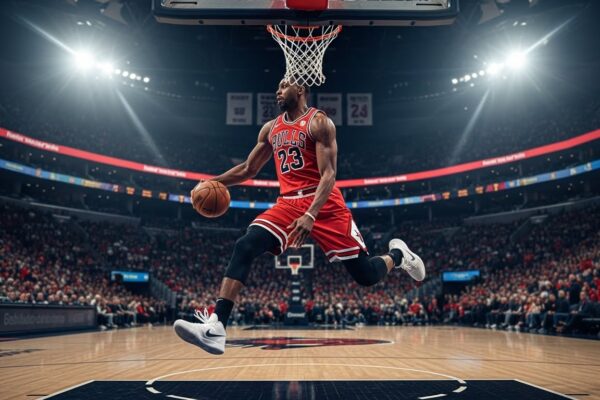
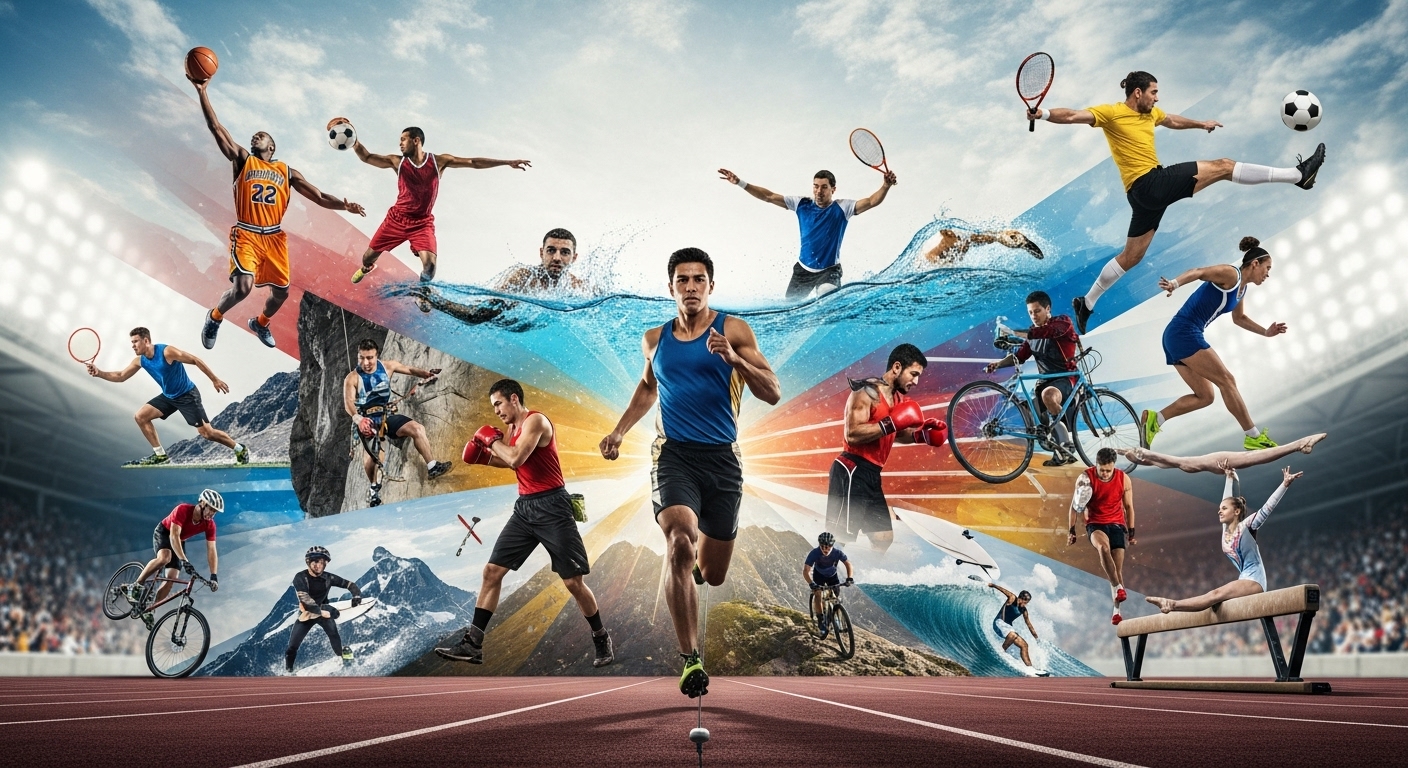
Sports have been an integral part of human civilization for centuries. From ancient Olympic games to modern professional leagues, the world of sports has evolved tremendously, yet its essence remains the same: bringing people together, challenging the human spirit, and celebrating physical and mental excellence. Sports are more than just games; they are a reflection of culture, perseverance, teamwork, and passion.
In this blog, we will explore the multifaceted world of sports, from its historical roots to its social and psychological impacts, the evolution of professional sports, the influence of technology, and the future of athletics.
The Historical Roots of Sports
The origins of sports can be traced back thousands of years. Ancient civilizations recognized the importance of physical activity not only for survival but also for recreation and competition. In Ancient Greece, sports were closely tied to religious and cultural ceremonies, culminating in the first recorded Olympic Games in 776 BCE. These events showcased athletic skill, celebrated human achievement, and honored the gods.
Similarly, in ancient civilizations like China and Egypt, sports played an essential role. Activities such as wrestling, archery, and chariot racing were not only forms of entertainment but also training for military prowess. Over time, sports became codified, with rules and organized competitions emerging, forming the foundation of modern athletics.
The Evolution of Modern Sports
The 19th and 20th centuries witnessed the transformation of sports into structured, professionalized, and commercialized activities. Football, cricket, tennis, and athletics grew into global phenomena. Clubs, leagues, and international competitions began to emerge, turning sports into not just a pastime but a profession.
With the rise of mass media in the 20th century, sports gained unprecedented visibility. Radio broadcasts, television coverage, and later digital streaming allowed fans to follow their favorite teams and athletes across the globe. This evolution elevated sports from local competitions to international spectacles, fostering a sense of global community and shared enthusiasm.
The Role of Sports in Society
Sports have always served as a social glue, bridging cultural, racial, and economic divides. Local and national sports events provide opportunities for communities to come together, celebrate achievements, and foster civic pride.
Beyond community building, sports have also been instrumental in social movements. Figures like Muhammad Ali, Billie Jean King, and Jesse Owens used their athletic platforms to challenge societal norms, advocate for civil rights, and inspire generations. Sports empower individuals to push boundaries, challenge stereotypes, and advocate for justice.
Physical and Mental Benefits of Sports
Participation in sports offers a multitude of physical benefits. Regular physical activity improves cardiovascular health, strengthens muscles, enhances flexibility, and boosts overall fitness levels. Athletes often develop superior hand-eye coordination, agility, and endurance, attributes that benefit both professional competitors and recreational participants.
Mental health benefits are equally significant. Sports foster discipline, resilience, and self-confidence. Engaging in competitive or recreational activities reduces stress, combats anxiety, and enhances cognitive functions. The teamwork and camaraderie experienced through sports cultivate social skills, empathy, and emotional intelligence, contributing to holistic well-being.
Popular Sports Around the World
While sports vary across regions, several have achieved global recognition. Football (soccer) remains the most popular sport worldwide, transcending borders and uniting fans across cultures. Events like the FIFA World Cup captivate billions, reflecting the universal passion for the game.
Cricket enjoys immense popularity in countries such as India, Australia, and England, combining strategy, skill, and endurance. Tennis, with its Grand Slam tournaments, showcases individual excellence, while basketball’s fast-paced gameplay and global leagues have made it a favorite across continents. Other sports like athletics, swimming, rugby, and baseball continue to thrive, offering diverse experiences for both participants and spectators.
Women in Sports
The role of women in sports has evolved significantly over the decades. Initially restricted by societal norms, women faced numerous barriers in accessing competitive arenas. However, trailblazers broke these barriers, paving the way for gender equality in athletics.
Today, female athletes dominate fields once considered male territories. Women’s football, tennis, and athletics have gained prominence, with stars achieving global recognition. The rise of women in sports has not only challenged gender stereotypes but also inspired millions of young girls to pursue their athletic dreams, promoting inclusivity and equality.
The Science and Technology Behind Sports
Modern sports are increasingly driven by science and technology. Training regimens are meticulously designed using biomechanics, physiology, and nutrition science to enhance performance. Wearable technology tracks heart rate, distance, and recovery, enabling athletes to optimize their routines.
Technology also revolutionizes sports viewing. High-definition broadcasts, instant replays, and advanced analytics provide fans with immersive experiences and deeper insights. Virtual reality and augmented reality technologies are now being integrated into training and entertainment, offering unprecedented opportunities for athletes and enthusiasts alike.
The Economics of Sports
Sports have become a multi-billion-dollar industry, influencing global economies. Professional leagues generate revenue through ticket sales, merchandise, sponsorships, and broadcasting rights. Major events like the Olympics or World Cups attract investment, tourism, and media attention, impacting host cities and countries economically.
Athletes themselves are powerful brands, commanding sponsorships and endorsements worth millions. This commercialization has transformed sports into not only a career but also a lucrative business, highlighting the interplay between athletic talent and market dynamics.
Sports as a Tool for Diplomacy
Sports have often served as a platform for diplomacy, fostering international cooperation and goodwill. Events like the Olympics and World Cups bring nations together, promoting peaceful competition and cultural exchange.
Historically, sports have played a role in bridging political divides. Initiatives like “ping pong diplomacy” between the United States and China in the 1970s demonstrate how sports can open channels for dialogue and mutual understanding. Sports continue to be a powerful instrument for promoting unity, tolerance, and global harmony.
Challenges in the World of Sports
Despite the numerous benefits, the world of sports faces challenges. Issues like doping, corruption, and match-fixing undermine the integrity of competitions. Excessive commercialization can prioritize profit over fairness and sportsmanship.
Additionally, athletes face physical and mental pressures that can lead to burnout, injuries, or psychological stress. Balancing competition, health, and personal life remains a persistent challenge, highlighting the importance of ethical practices and holistic support systems within sports organizations.
Inspirational Stories from Sports
Sports are replete with inspirational stories that resonate across generations. Athletes overcoming adversity, breaking records, or defying odds motivate millions. Stories of Paralympians, underdog victories, and record-breaking performances demonstrate the limitless potential of human determination and resilience.
These narratives transcend the playing field, serving as metaphors for life’s challenges. They teach us perseverance, discipline, teamwork, and the courage to pursue dreams against all odds.
The Future of Sports
The future of sports promises exciting developments. Esports, blending technology and competition, is rapidly gaining recognition and reshaping traditional concepts of athletics. Sustainability in sports infrastructure and events is becoming a priority, with eco-friendly stadiums and practices leading the way.
Inclusivity will continue to expand, with adaptive sports and programs ensuring accessibility for differently-abled individuals. Technology, globalization, and cultural exchange will further enhance the reach and impact of sports, making it a truly universal language of passion, excellence, and unity.
Conclusion
Sports are far more than games—they are a reflection of human aspiration, resilience, and unity. From ancient traditions to modern global spectacles, sports inspire, challenge, and connect people across boundaries. They teach lessons in discipline, teamwork, and perseverance while promoting physical and mental well-being.
As we continue to celebrate athletic achievements and innovations, the essence of sports remains unchanged: a universal platform where passion, talent, and dedication converge, reminding us of the extraordinary potential within each individual and community.
Whether played professionally or recreationally, sports continue to shape societies, influence cultures, and inspire generations. They are a testament to humanity’s enduring spirit and the unifying power of competition, cooperation, and celebration.