Introduction: The World That Lives Through Sports
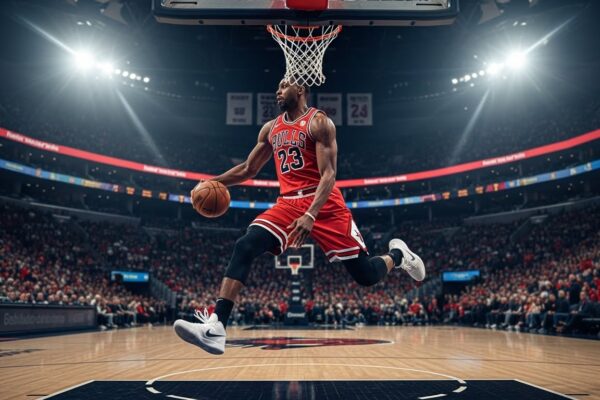
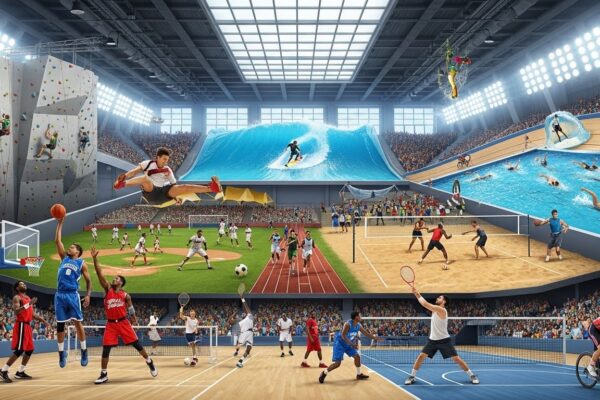
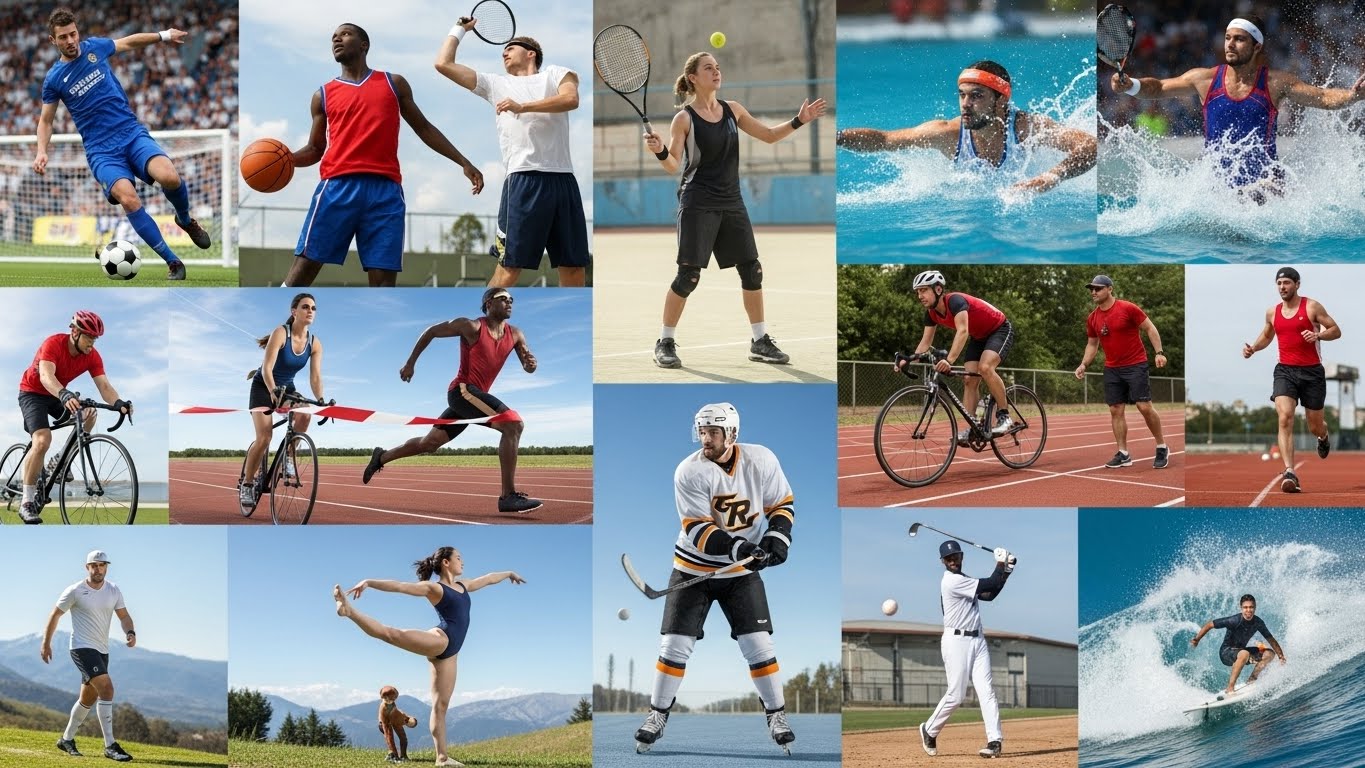
Sports have always been more than games played on fields, courts, or tracks. They represent passion, unity, conflict, discipline, and dreams. From small alleyway matches to grand international tournaments watched by millions, sports weave themselves into the fabric of human life. They provide a platform where skill meets spirit, where competition meets cooperation, and where individual talent blends with collective effort.
In today’s world, sports are not just recreational activities but global industries, social unifiers, and powerful emotional outlets. This blog explores the deeper layers of sports, the hidden lessons they offer, their impact on society, and why they continue to evolve as a major cultural force.
The Ageless Attraction: Why We Love Sports
One of the most fascinating aspects of sports is their universal appeal. Regardless of nationality, language, or cultural background, people connect through the language of physical expression. A shared cheer, a collective gasp, or a united celebration can bond strangers instantly.
There are several reasons behind this powerful attraction:
Competition as Human Nature
Every human carries an instinct to compete. Sports offer a structured and healthy way to express this instinct. The excitement of competing and the thrill of winning are experiences that resonate deeply with our psychology.
Emotional Escapism
Sports provide a break from daily routine and stress. For a few hours, fans forget their worries and immerse themselves in a world driven by adrenaline, passion, and unpredictability.
The Beauty of Skill
Watching athletes perform extraordinary acts creates a sense of awe. Whether it is a flawless gymnastic routine, a last-minute goal, or a breathtaking sprint, human ability in its peak form inspires admiration.
Building Character Through Discipline
Athletes often say that sports build character, and this statement holds deep truth. The discipline required in training, the resilience needed during losses, and the humility shown in victory all build values that extend far beyond sports.
Persistence and Hard Work
No athlete becomes great overnight. The repeated effort, early morning practices, and countless disappointments teach perseverance. This lesson becomes invaluable not just in sports but in personal and professional life as well.
Handling Failure
Failure is a guaranteed part of every sport. Learning how to process defeat without giving up is one of the strongest life lessons sports offer. Athletes learn to analyze their mistakes, grow, and return stronger.
Teamwork and Communication
Team sports create an environment where individuals must collaborate, trust each other, and share responsibility. This builds communication skills and a strong sense of cooperation.
Sports as Community Builders
Walk into any stadium or watch any major tournament, and you will witness something unique: people from different backgrounds, races, and beliefs unified by a shared passion. Sports create communities that transcend social boundaries.
Local Identity
Local teams often shape the identity of their communities. When fans support their hometown teams, it builds pride and belonging. For many cities, sports are an emotional anchor that strengthens social bonds.
Bridging Differences
Sports have the power to bring people from opposing backgrounds together. During matches, differences blur. Fans cheer side by side regardless of age, religion, or political opinion.
Inspiring the Youth
Athletes become role models who inspire the younger generation. Their journeys of discipline and success encourage young people to dream big and work hard.
The Rise of Technology in Modern Sports
Technology has reshaped the world of sports like never before. From performance analysis to fan interaction, every aspect has seen rapid evolution.
Performance Tracking
Advanced sensors, wearables, and software help coaches analyze player performance down to the smallest detail. This allows athletes to fine-tune their techniques and avoid injuries.
Video Analysis and Replay
Technology enables fairer decisions and greater transparency. Video replays and advanced camera systems help referees make accurate calls, reducing human error.
Digital Fan Engagement
Social media platforms allow fans to interact with their favorite athletes, follow training sessions, and feel more connected than ever. Sports organizations now use digital tools to grow their global fan bases.
The Mind Game: Psychology in Sports
While physical strength and skill are important, mental toughness often separates champions from the rest. Sports psychology has gained attention for its role in shaping athletic performance.
Focus and Concentration
Athletes train their minds to block distractions and stay present. This focus becomes crucial during high-pressure moments where one mistake can change the outcome.
Confidence and Belief
Believing in one’s own ability is a powerful tool. Confidence drives athletes to push boundaries and achieve what seems impossible.
Managing Pressure
Competing on large stages brings enormous pressure. Sports psychologists help athletes develop coping mechanisms to stay calm and composed.
The Economic Impact of Sports
Sports contribute significantly to the global economy. Tournaments, merchandise, endorsements, and tourism create millions of jobs and generate huge revenue.
Major Events
Events like international tournaments bring economic boosts to host cities by increasing tourism, building infrastructure, and promoting local businesses.
Sports Merchandise and Branding
Fans love displaying their support through jerseys, accessories, and souvenirs. These industries thrive because of the strong emotional connection fans feel with their teams.
Athlete Endorsements
Popular athletes become brand ambassadors who influence markets and trends. Their impact extends beyond sports into lifestyle and culture.
Women in Sports: Breaking Barriers and Redefining Norms
The growth of women’s sports over the past decades has been remarkable. Female athletes have broken stereotypes, shattered records, and created a more inclusive sports world.
Fighting for Equality
Women athletes have historically faced challenges such as unequal pay and limited opportunities. Today, they continue to advocate for fairness and recognition.
Rising Popularity
Women’s tournaments now attract large global audiences. Their performances have inspired young girls worldwide to pursue sports with confidence.
Sports and Health: A Lifelong Benefit
Apart from entertainment and competition, sports play a crucial role in maintaining physical and mental health.
Physical Fitness
Engaging in sports helps build strength, flexibility, stamina, and cardiovascular health. It promotes an active lifestyle that reduces the risk of major illnesses.
Mental Well-Being
Sports release endorphins, reduce stress, and improve mood. They also help individuals deal with anxiety and depression through positive engagement.
Social Interaction
Sports encourage social relationships and reduce feelings of isolation. Team participation fosters friendships and support networks.
The Future of Sports: What Lies Ahead
As technology, society, and culture evolve, so will sports. The future seems promising and dynamic.
Rise of Esports
Competitive gaming has already become a global phenomenon. Esports tournaments now attract millions of viewers and professional players.
Smarter Training Methods
Artificial intelligence may soon play a major role in predicting injuries, designing training schedules, and analyzing performance more precisely.
Environmental Sustainability
Sports organizations are focusing on greener stadiums, reduced waste, and eco-friendly practices to protect the planet.
Conclusion: Sports as a Universal Language
Sports are far more than competitions. They are teachers, unifiers, motivators, and global celebrations of human spirit. Whether played in dusty streets or massive arenas, sports carry the same message: passion, effort, and unity.
As we move forward, the influence of sports will only continue to grow. They will inspire generations, bring nations together, and remain one of the purest forms of human expression. Beyond the final whistle, the lessons and emotions of sports stay with us, making life a little more exciting, meaningful, and connected.