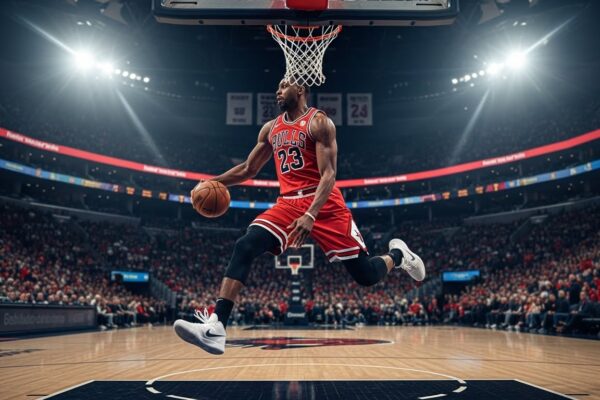

Sports have a special way of capturing the human spirit. Whether it’s the thrilling excitement of a buzzer-beater in basketball, the intense focus of a sprinter in the final stretch, or the pure joy of a team celebrating a hard-fought victory, sports stir emotions that go beyond the scoreboard. They are an integral part of our lives, but their influence stretches far beyond the playing field. From shaping communities to transforming individuals, sports have a profound impact on our mental, physical, and emotional well-being.
The Social Impact: How Sports Unite Us
One of the most powerful aspects of sports is its ability to bring people together. Regardless of nationality, ethnicity, or language, sports provide a common ground where people can connect, share experiences, and celebrate victories. Whether it’s a local neighborhood game or a global event like the World Cup, sports create shared memories that transcend individual differences.
The beauty of sports lies in its simplicity: all it takes is a ball, a field, and a collective desire to play. This unifying nature is evident in both professional and grassroots sports. In many cultures, the local football or cricket match is a social event where the whole community gathers to cheer for their team. This sense of community is not limited to local or regional teams; it extends to international events, where countries showcase their talent and pride on the global stage.
Moreover, sports foster relationships that go beyond competition. Fans, coaches, athletes, and volunteers become part of a larger ecosystem, contributing to a collective goal. Even in the face of rivalry, the mutual respect among competitors teaches us the value of sportsmanship and fair play.
Health Benefits: The Link Between Sports and Well-being
Physical health is the most obvious benefit of sports. Engaging in regular physical activity can reduce the risk of chronic diseases, improve cardiovascular health, and increase overall fitness levels. But the impact of sports goes far beyond the physical. It is widely known that exercise helps in boosting mental health by reducing stress, anxiety, and symptoms of depression.
When people engage in sports, their brains release endorphins—chemicals that trigger feelings of happiness and contentment. For many, playing a sport becomes an effective way to manage life’s stresses and challenges. Whether it’s the endorphin rush after a long run or the sense of accomplishment after a game, sports provide an outlet for emotional and mental relief.
In fact, the mental benefits of sports can sometimes outweigh the physical. Playing sports can improve concentration, boost self-esteem, and enhance mood. It’s also a way for individuals to break away from daily life and create a healthy routine, fostering both mental and physical strength.
Character Development: Building Resilience and Discipline Through Sports
Beyond the physical and mental benefits, sports play a significant role in shaping character. The competitive nature of sports teaches valuable life lessons that are applicable in nearly every aspect of life. Whether it’s learning to cope with failure, dealing with pressure, or finding motivation when things are tough, sports offer an arena to develop emotional resilience.
Team sports, in particular, teach the importance of collaboration, leadership, and communication. Working together toward a common goal fosters trust and helps individuals develop a sense of responsibility. Athletes often learn that victory is not just about individual effort but about working together as a cohesive unit. On the flip side, losses are viewed not as the end, but as an opportunity to learn, grow, and try harder next time.
For many athletes, these lessons transcend the playing field. The discipline, commitment, and perseverance required in sports help in other areas of life, from academics to careers to personal relationships. The ability to handle setbacks with grace and use them as fuel for future success is a powerful trait that sports nurture.
Sports as a Catalyst for Social Change
While sports have traditionally been seen as a form of entertainment and competition, they have also become a powerful tool for social change. Over the years, athletes have used their platforms to advocate for causes ranging from civil rights to environmental sustainability. Iconic moments in sports history, like Muhammad Ali’s stand against the Vietnam War or Billie Jean King’s fight for gender equality in tennis, have shown that sports can influence society in meaningful ways.
In today’s world, athletes continue to leverage their visibility to challenge injustice, raise awareness for global issues, and inspire positive change. Sports events have also been used to promote peace, with initiatives like the “Olympic Truce,” which calls for an end to conflict during the Olympic Games. The global reach of sports allows them to serve as a vehicle for messages of unity, understanding, and change.
Additionally, grassroots sports initiatives in underserved communities can provide young people with opportunities for personal development, education, and empowerment. These programs not only teach athletic skills but also instill values like teamwork, leadership, and hard work—critical elements that contribute to breaking cycles of poverty and inequality.
Conclusion: The Enduring Magic of Sports
Sports have an unparalleled ability to impact individuals and societies. They teach us about unity, health, resilience, and character. They provide an arena for personal growth, a platform for advocacy, and a space for pure joy. Beyond the scoreboard, sports enrich our lives, inspire us to push our limits, and remind us that, regardless of our differences, we all share a love for the game.
As we continue to celebrate sports in all their forms, it’s essential to remember that the value of sports goes far beyond the competition. They serve as a microcosm of life itself—full of challenges, triumphs, setbacks, and lessons. In a world that is constantly changing, sports provide a timeless reminder of what it means to strive for greatness and connect with others in meaningful ways.