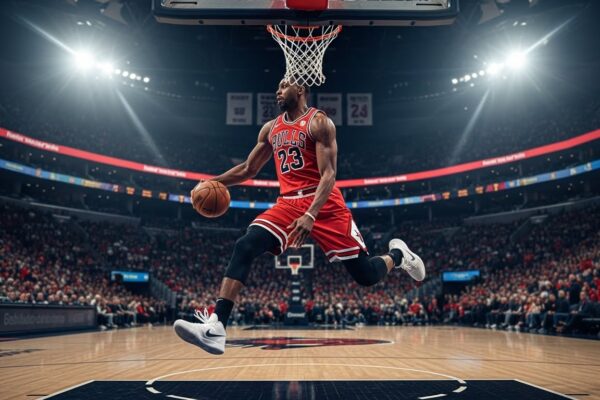

Sports have always been more than just games. From local playgrounds to massive international arenas, sports transcend cultural, social, and political boundaries. They serve as a universal language, connecting people from diverse backgrounds through shared experiences, teamwork, and passion. The impact of sports stretches far beyond physical activity, influencing mental health, social cohesion, and personal development. This blog explores the multifaceted world of sports, its benefits, its challenges, and its role in shaping society.
The Historical Significance of Sports
Sports have been an integral part of human civilization for thousands of years. Ancient civilizations like Greece, Egypt, and China organized competitive games that not only entertained but also celebrated physical prowess and strategic thinking. The Olympic Games, originating in Greece around 776 BCE, symbolize the enduring appeal of sports as a platform for excellence and international unity.
Over the centuries, sports evolved from informal competitions to organized events with global followings. Traditional games like wrestling, archery, and running transformed into professional sports leagues, drawing millions of spectators worldwide. Sports have not only reflected societal values but also acted as catalysts for social change. For example, the integration of professional sports in the United States mirrored and, at times, influenced the civil rights movement.
The Physical Benefits of Sports
The most obvious advantage of sports is its impact on physical health. Regular participation in sports improves cardiovascular health, enhances muscle strength, increases flexibility, and helps maintain a healthy body weight. Sports also strengthen the immune system and reduce the risk of chronic illnesses like diabetes, obesity, and heart disease.
Different sports offer different physical benefits. For instance, swimming provides a full-body workout that improves lung capacity and endurance, while running enhances cardiovascular health and bone strength. Team sports like soccer, basketball, and volleyball combine aerobic and anaerobic activity, promoting overall fitness and coordination.
The physical benefits of sports are not limited to professional athletes. People of all ages can enjoy the positive effects of exercise through recreational sports, whether it’s a casual game of tennis, cycling, or hiking. Encouraging participation in sports from a young age builds healthy habits that last a lifetime.
Mental Health and Emotional Resilience
Sports play a significant role in mental well-being. Physical activity triggers the release of endorphins, commonly known as “feel-good hormones,” which reduce stress and anxiety. Engaging in sports can improve mood, enhance focus, and combat symptoms of depression.
Beyond biochemical benefits, sports also cultivate emotional resilience. Athletes learn to handle both victory and defeat gracefully, developing coping strategies that are applicable in everyday life. Overcoming challenges in sports—whether it’s recovering from an injury or pushing through fatigue—fosters perseverance and self-confidence.
Team sports, in particular, provide social interaction that combats loneliness and promotes a sense of belonging. The camaraderie formed through teamwork can have profound effects on mental health, teaching empathy, communication, and conflict resolution.
Sports as a Tool for Social Integration
Sports have a remarkable ability to bring people together, regardless of race, gender, or social status. Community sports programs, local leagues, and school competitions foster social cohesion by providing a common platform for interaction. Sporting events are also opportunities for cultural exchange, where diverse groups celebrate their differences while sharing a common passion.
On a larger scale, international sporting events like the Olympics or the FIFA World Cup unite nations and inspire global solidarity. Fans from different countries celebrate together, bridging linguistic and cultural gaps. Sports diplomacy has often played a crucial role in easing political tensions, as shared enthusiasm for athletic achievement can transcend ideological differences.
The Role of Sports in Education
Incorporating sports into education is vital for holistic development. Physical education programs teach children essential life skills such as discipline, time management, and teamwork. Academic institutions that prioritize sports foster an environment where students can balance intellectual growth with physical development.
Participation in school sports can also boost academic performance. Studies show that students involved in sports often demonstrate improved concentration, better memory, and higher problem-solving abilities. The structured nature of sports encourages goal-setting, strategic thinking, and resilience, all of which translate into academic success.
Women in Sports: Breaking Barriers
Historically, sports were male-dominated, with women often excluded from competitive arenas. However, the landscape is changing rapidly. Women athletes today are breaking records, leading global sports teams, and inspiring future generations. Their achievements challenge traditional gender norms and promote equality both on and off the field.
Prominent examples include female participation in soccer, cricket, athletics, and tennis, which have garnered massive international attention. Women in sports are not only role models but also advocates for social change, highlighting issues such as equal pay, representation, and accessibility. Promoting women’s sports benefits society by encouraging inclusivity and empowering individuals to pursue their passions without limitations.
The Economic Impact of Sports
Sports contribute significantly to the global economy. Professional leagues, sporting events, merchandise, sponsorships, and broadcasting rights generate billions of dollars annually. Cities hosting major sporting events experience economic growth through tourism, infrastructure development, and job creation.
Local sports initiatives also stimulate small-scale economies. Gyms, sports clubs, and equipment retailers benefit from increased participation. Additionally, sports careers—ranging from athletes and coaches to physiotherapists and sports journalists—offer diverse employment opportunities, highlighting the sector’s economic importance.
The Challenges and Controversies
Despite its benefits, the world of sports is not without challenges. Issues such as doping, match-fixing, and corruption threaten the integrity of competition. Performance-enhancing drugs undermine fair play, while financial scandals can erode public trust in sporting institutions.
Injuries are another significant concern. Professional athletes face intense physical strain that can lead to chronic conditions, limiting their quality of life after retirement. Even recreational sports carry the risk of injury if proper safety measures are not followed.
Social issues, such as discrimination and inequality, also persist. Athletes from marginalized backgrounds may face systemic barriers to participation and recognition. Addressing these challenges requires continuous effort from sports organizations, governments, and communities.
The Future of Sports
The future of sports is shaped by innovation, technology, and changing social dynamics. Advances in sports science, wearable technology, and data analytics are revolutionizing training, performance tracking, and injury prevention. Virtual reality and augmented reality are opening new possibilities for fan engagement and immersive experiences.
Inclusivity is another growing focus. Efforts to make sports accessible for people with disabilities, women, and underserved communities are gaining momentum. Adaptive sports programs, Paralympic events, and community outreach initiatives ensure that sports remain a domain for all.
Sustainability is also becoming critical in sports management. Eco-friendly stadiums, reduced carbon footprints, and responsible resource management are emerging as priorities for organizers of large-scale events. The integration of environmental consciousness into sports reflects society’s broader commitment to sustainable development.
Sports as a Lifelong Passion
One of the most remarkable aspects of sports is its enduring appeal across all ages. While professional athletes may retire, the love for sports often persists throughout life. Recreational activities such as jogging, swimming, cycling, or local team leagues provide opportunities for lifelong fitness, social interaction, and enjoyment.
Sports also foster a sense of identity and belonging. Fans and enthusiasts celebrate victories, learn from losses, and engage in spirited discussions, creating communities that span generations. The memories, friendships, and lessons derived from sports remain invaluable, emphasizing that sports are far more than physical activity—they are a way of life.
Conclusion
Sports are a powerful force in society, impacting individuals and communities physically, mentally, socially, and economically. They promote health, resilience, teamwork, equality, and unity. While challenges like doping, injuries, and inequality persist, the overarching influence of sports is overwhelmingly positive.
By recognizing the multifaceted benefits of sports and promoting inclusive participation, society can harness its full potential. From the playground to the global stage, sports remind us of human potential, the importance of collaboration, and the joy of striving for excellence. Whether you are an athlete, a fan, or someone discovering a new sport, the world of sports offers endless opportunities for growth, connection, and inspiration.