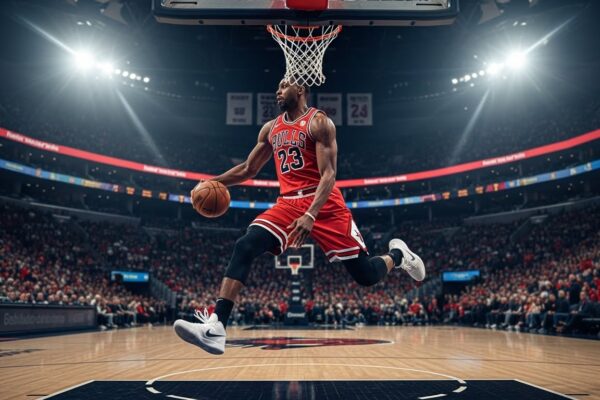

Sports have an undeniable influence on societies around the world. Whether it’s a casual game played in a local park or a major international competition like the Olympic Games, sports play a role in shaping cultures, boosting economies, and improving individual well-being. The role of sports extends far beyond physical activity; they encompass emotional, social, and even political dimensions that impact people globally. This blog post explores the multifaceted benefits of sports, how they enhance our lives, and why they remain an essential part of human culture.
The Physical Health Benefits of Sports
One of the most direct and well-known benefits of sports is their impact on physical health. Engaging in regular sports activities contributes to overall physical fitness, helping individuals maintain a healthy body weight, improve cardiovascular health, and reduce the risk of chronic diseases. Whether it’s running, swimming, cycling, or team sports like soccer and basketball, each type of sport offers a unique form of exercise that targets different muscle groups and physical attributes.
Aerobic activities like running and swimming are particularly beneficial for heart health. These sports increase heart rate, improve blood circulation, and help in the efficient functioning of the lungs. By regularly engaging in such activities, individuals can reduce the risk of heart disease, stroke, and high blood pressure. On the other hand, strength-based sports like weightlifting and sprinting help in building muscle mass, strengthening bones, and improving overall body strength. As individuals age, maintaining muscle mass and bone density becomes crucial, as these help in preventing osteoporosis and frailty.
Beyond improving cardiovascular health and building muscle strength, sports also help in boosting flexibility and joint health. Many sports, including yoga, gymnastics, and martial arts, emphasize flexibility and range of motion, which is vital for injury prevention. Sports also improve coordination and balance, which are particularly important for older adults who are at greater risk of falls.
Regular participation in sports also has a significant effect on metabolism, helping with the regulation of body fat and insulin sensitivity. This can be particularly beneficial in reducing the risk of obesity and type 2 diabetes. In addition, sports help in improving digestion, promoting better sleep, and enhancing immune system function. Thus, the physical benefits of sports are far-reaching, contributing to long-term health and well-being.
Mental Health and the Power of Sports
While the physical health benefits of sports are widely recognized, the impact of sports on mental health is just as significant. Mental health issues, including anxiety, depression, and stress, are increasingly prevalent in modern society, and sports can serve as an effective remedy. Engaging in physical activities triggers the release of endorphins, chemicals in the brain that promote feelings of happiness and relaxation. This natural “feel-good” response helps to reduce anxiety, alleviate depressive symptoms, and create a sense of mental well-being.
Sports also provide a powerful outlet for managing stress. Physical activity allows individuals to shift their focus away from daily pressures and worries. Whether it’s a high-intensity workout or a friendly game of basketball, the act of concentrating on the sport itself provides mental clarity and can temporarily relieve individuals of their day-to-day stresses. For many, the time spent engaging in sports acts as a form of meditation or mindfulness, helping individuals remain grounded and present.
In addition, sports foster the development of mental toughness. Athletes often face challenges such as setbacks, injuries, and losses, which require them to build resilience and perseverance. Learning how to overcome difficulties in sports translates into other areas of life, teaching individuals to face adversity with patience and determination. This increased mental strength is valuable not only in competitive settings but also in everyday life, where individuals are constantly faced with personal and professional challenges.
For individuals with mental health concerns, participating in sports can also improve self-esteem. As individuals engage in sports and achieve personal goals, they build a sense of accomplishment and pride in their abilities. Whether it’s improving fitness levels or mastering a new skill, these successes provide a confidence boost, reinforcing a positive self-image.
The Social Benefits of Sports
Beyond the personal benefits, sports play a crucial role in fostering social interaction. They offer a platform for individuals to come together, build relationships, and form communities. Whether through team sports or recreational leagues, sports promote social cohesion and allow individuals from diverse backgrounds to connect over a shared interest. The social bonds formed through sports often last a lifetime, as individuals learn the values of teamwork, cooperation, and mutual support.
Team sports, in particular, help individuals develop important social skills such as communication, leadership, and empathy. In team settings, athletes must work together toward a common goal, which requires effective communication and trust. Teammates rely on one another to succeed, fostering strong bonds that often extend beyond the playing field. These relationships can contribute to long-lasting friendships, as individuals come to depend on one another not only during the competition but also in their personal lives.
Sports also provide an opportunity for social inclusion. People from different socio-economic backgrounds, cultures, and age groups come together to participate in or watch sporting events. This creates an inclusive environment where people can unite over a shared passion, regardless of their differences. This is especially evident in global events like the FIFA World Cup or the Olympics, where nations from around the world come together to celebrate athleticism and sportsmanship. These events demonstrate the ability of sports to transcend national boundaries and bring people together in a peaceful and collaborative manner.
Moreover, sports promote a sense of belonging. Whether it’s supporting a local team or joining a recreational league, individuals can find a sense of community through sports. For many, these connections become a crucial part of their social lives, providing opportunities to meet new people, make friends, and feel part of something larger than themselves.
The Educational Value of Sports
Sports provide far more than just physical exercise; they also offer valuable life lessons that contribute to education and personal development. One of the key educational benefits of sports is the development of discipline. Athletes must adhere to a strict schedule of training, practice, and competition, which helps instill a sense of responsibility and time management. These skills are essential for success in both academic and professional settings, where individuals must balance multiple tasks and meet deadlines.
In addition to discipline, sports teach important lessons in teamwork and collaboration. Working together with teammates toward a common goal helps individuals develop cooperation skills, learning how to rely on others and share responsibility. This ability to collaborate is highly valued in many careers, where teamwork is often a fundamental aspect of success. Sports also help individuals learn how to lead, as athletes often take on leadership roles within their teams, motivating others and setting examples.
Sports also foster resilience and perseverance. Athletes frequently face setbacks, losses, and challenges that require them to push through adversity. These experiences teach individuals to stay focused and keep working toward their goals, even in the face of obstacles. This determination is not only beneficial in sports but also in academics, career development, and personal growth.
For young people, sports can provide an opportunity to learn about fair play, respect, and sportsmanship. They teach individuals how to handle success with humility and how to deal with failure gracefully. These lessons help in shaping character and instilling positive values that extend well beyond the playing field.
The Economic Impact of Sports
Sports have a significant economic impact, both at the local and global level. The sports industry is a multi-billion-dollar sector that generates revenue through ticket sales, broadcasting rights, merchandise, and sponsorship deals. Major sporting events, such as the Super Bowl, World Cup, and the Olympics, create enormous economic activity for host cities and countries, attracting millions of spectators and tourists.
Hosting a major sporting event can stimulate the local economy by creating jobs, boosting tourism, and generating business for local establishments, such as hotels, restaurants, and retail stores. Additionally, the development of sports infrastructure, such as stadiums, arenas, and transportation systems, can have long-term benefits for the host city, improving its appeal as a destination for future events and tourists.
Moreover, sports create numerous job opportunities. From athletes and coaches to event organizers, referees, sports analysts, and marketing professionals, the sports industry provides employment to millions of people worldwide. Many cities have thriving sports communities, offering opportunities for careers in sports management, sports medicine, and fitness.
In addition to professional sports, recreational sports also contribute to local economies. The demand for sports equipment, gym memberships, and sports facilities creates a thriving market for businesses in the fitness and wellness sector. This supports a healthy lifestyle for individuals while driving economic growth in the community.
Sports as a Career Path
For many individuals, sports provide a pathway to professional success. Whether it’s as an athlete, coach, or sports executive, the sports industry offers a variety of career opportunities. Professional athletes are often the most visible representatives of sports, earning significant salaries through contracts, endorsements, and sponsorships. These athletes not only entertain fans but also serve as global ambassadors for the sports they represent.
However, there are numerous other career opportunities within the sports industry. Sports management, sports medicine, sports marketing, and coaching are all fields where individuals with a passion for sports can build fulfilling careers. Many universities offer specialized programs in sports management, where students can learn the business side of sports and develop the skills necessary to succeed in this competitive industry.
In recent years, the rise of eSports has created entirely new career opportunities in the gaming and digital sports sectors. Professional gamers, coaches, analysts, and commentators now have the chance to make a living by competing in or commenting on video game tournaments, further expanding the scope of careers in the world of sports.
Conclusion: The Enduring Significance of Sports
Sports are far more than just physical activities; they are an essential part of human culture that influences nearly every aspect of life. From enhancing physical health and mental well-being to fostering social connections, building careers, and stimulating economies, sports play a vital role in modern society. As technology continues