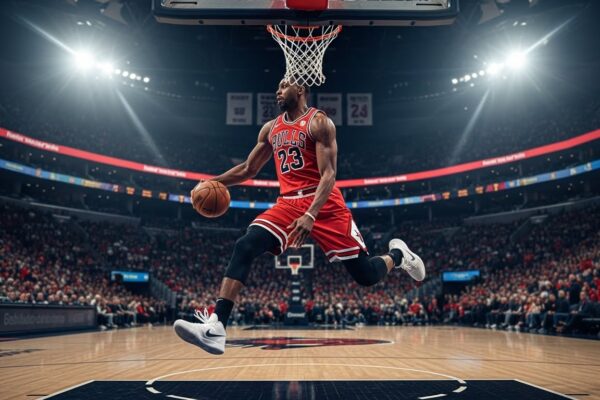
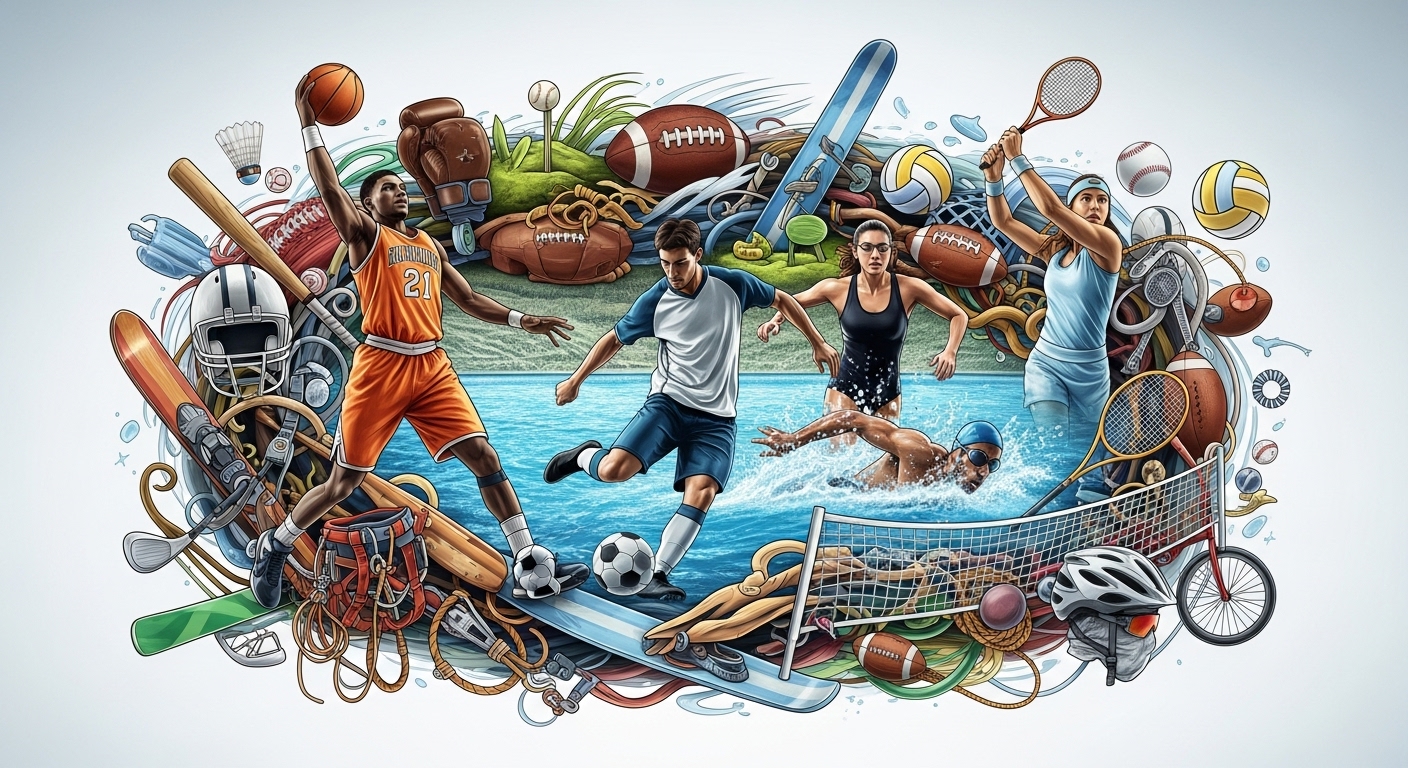
Sports have long been a central part of human society. They are more than just games; they are a powerful force that shapes cultures, brings people together, and transcends boundaries. From local recreational leagues to international competitions like the Olympics and the World Cup, sports continue to play a significant role in the lives of billions around the globe. But why do we love them so much? What makes sports such an integral part of our everyday lives? This blog post will explore the multifaceted nature of sports, their history, their impact on society, and the unique ways in which they influence individuals and communities.
The Evolution of Sports: From Ancient Rituals to Modern Entertainment
The history of sports dates back to ancient civilizations, where they were often tied to religious rituals, celebrations, and cultural practices. The ancient Greeks, for example, introduced the concept of competitive sports with the Olympic Games, which began in 776 B.C. These games were not only a display of athletic prowess but also a way to honor the gods. Over time, sports began to evolve, with various cultures developing their own unique forms of games and competitions.
In the modern world, sports have transformed into global spectacles that generate millions—if not billions—of dollars. Events like the FIFA World Cup, the Olympics, and the Super Bowl draw in huge crowds both in person and through media broadcasts. The commercial aspect of sports has turned athletes into celebrities, sports teams into powerful brands, and competitions into entertainment spectacles that captivate audiences worldwide.
The Power of Competition: What Drives Athletes and Fans?
At the core of every sport is competition. The desire to win, to be the best, is what motivates athletes to push their bodies and minds to the limit. For many, sports provide a platform to showcase their talent, discipline, and perseverance. This drive for excellence is what fuels both professional athletes and amateurs alike. Whether it’s a high school athlete hoping for a college scholarship or a seasoned professional competing for a championship, the motivation to compete is universal.
But it’s not just the athletes who thrive on competition. Fans, too, experience the intense emotions tied to winning and losing. There is something uniquely thrilling about watching a game unfold, whether it’s the last-minute goal in soccer, the game-winning shot in basketball, or the final stretch in a marathon. For fans, sports are not just games—they are emotional roller coasters that create unforgettable memories. The shared experience of celebrating a victory or enduring a loss creates a bond between fans and athletes that is hard to replicate in any other aspect of life.
Sports as a Unifying Force: Bridging Cultural and Social Divides
One of the most profound aspects of sports is their ability to bring people together. In a world often divided by politics, culture, and geography, sports offer a common ground where people from all walks of life can unite. Regardless of language, background, or nationality, sports have a unique power to transcend these differences and create a sense of shared purpose and camaraderie.
International events like the Olympic Games and the FIFA World Cup are prime examples of how sports can unite the world. For the duration of these events, people from different countries, cultures, and religions come together to cheer for their teams, celebrate victories, and embrace the spirit of friendly competition. Sports have the ability to inspire national pride and foster a sense of belonging, both for athletes and fans alike. The joy of watching one’s country succeed on the world stage is an experience that transcends individual differences and creates a collective sense of achievement.
Beyond international competitions, local sports teams also serve as a focal point for communities. In cities around the world, sports teams are more than just sources of entertainment; they are symbols of identity, pride, and unity. A local team’s success or failure can influence the mood of an entire community, with fans coming together to support their team and celebrate their victories. This sense of community is an essential part of what makes sports so special—they offer people a way to connect, bond, and share in something larger than themselves.
The Physical and Mental Benefits of Engaging in Sports
While sports are often celebrated for their entertainment value, they also offer a multitude of physical and mental health benefits. Regular participation in sports can lead to improved cardiovascular health, increased strength, better coordination, and greater flexibility. Physical activity is an essential part of maintaining a healthy lifestyle, and sports provide a fun and engaging way to stay active.
Beyond the physical benefits, sports also have a significant impact on mental health. Engaging in physical activity has been shown to reduce stress, alleviate anxiety, and combat depression. Sports can help boost self-esteem and improve mood by releasing endorphins, the body’s natural “feel-good” hormones. For many individuals, sports provide an escape from the pressures of daily life, allowing them to focus on the task at hand and forget about worries or stressors.
Furthermore, sports teach valuable life skills that extend beyond the playing field. Discipline, teamwork, leadership, and resilience are all cultivated through participation in sports. Whether it’s working together with teammates to achieve a common goal or learning how to bounce back from a tough defeat, the lessons learned in sports can have a lasting impact on an individual’s personal and professional life.
The Impact of Technology on Sports
Technology has had a profound effect on the world of sports. From advancements in equipment and training methods to the way we watch and interact with sports, technology is changing every aspect of the sporting world. For athletes, technology has allowed for more precise training and performance analysis. Wearable devices that track heart rate, speed, and movement patterns are now commonplace, providing valuable data that can help athletes optimize their performance.
Coaches and trainers now rely on sophisticated video analysis tools to break down plays, evaluate techniques, and develop strategies. Virtual reality (VR) and augmented reality (AR) are also being used to simulate real-world scenarios, allowing athletes to train in a more immersive and realistic environment. These technologies help athletes push the boundaries of their performance and reach new levels of achievement.
On the fan side, technology has made it easier than ever to watch, follow, and interact with sports. Streaming platforms, social media, and apps have revolutionized how fans engage with their favorite teams and athletes. Fans can watch live games, access highlights, and follow behind-the-scenes content all in real-time. Social media has also provided athletes with a direct platform to communicate with their fans, allowing for greater interaction and engagement.
Additionally, innovations such as instant replay, video assistant referees (VAR), and goal-line technology have transformed the way officiating is conducted in sports. These technologies help ensure fair play and accuracy, leading to more transparent and reliable outcomes.
Sports as a Platform for Social Change
Sports have historically served as a platform for social change and activism. Throughout history, athletes have used their platform to speak out on social, political, and cultural issues. In many cases, the actions of athletes have sparked important conversations and led to significant societal change.
For example, the civil rights movement in the United States was supported by athletes like Jackie Robinson, who broke the color barrier in Major League Baseball, and Muhammad Ali, who used his status as a boxing champion to speak out against racial injustice and the Vietnam War. More recently, athletes like Colin Kaepernick have used their platform to protest racial inequality and police violence by kneeling during the national anthem.
Sports have also played a key role in advancing gender equality. The rise of women’s sports, from tennis to soccer to basketball, has helped challenge stereotypes and break down barriers. Female athletes are increasingly being recognized for their talent and accomplishments, and women’s sports leagues are gaining more visibility and support.
In this way, sports can be a powerful tool for social change, raising awareness about important issues and inspiring individuals to take action.
The Future of Sports: Embracing Change and Innovation
The future of sports is filled with exciting possibilities. As technology continues to evolve, we can expect further innovations in how sports are played, consumed, and experienced. For example, the rise of eSports—competitive video gaming—has already created a new form of entertainment that is attracting millions of fans worldwide. With advancements in virtual and augmented reality, we may soon see entirely new forms of immersive sporting experiences that allow fans to interact with athletes in ways that were once unimaginable.
Additionally, there is a growing emphasis on inclusivity and accessibility in sports. Adaptive sports for athletes with disabilities are gaining popularity, and there is a growing push to ensure that people of all backgrounds and abilities have the opportunity to participate in and enjoy sports. This trend toward inclusivity is helping to break down barriers and create a more equitable sporting world.
Furthermore, sustainability is becoming an increasingly important factor in the world of sports. With growing concerns about climate change and environmental sustainability, sports organizations are beginning to take steps to reduce their carbon footprint. From eco-friendly stadiums to efforts to reduce waste and promote sustainable practices, the future of sports will likely see a greater focus on environmental responsibility.
Conclusion: More Than Just a Game
Sports are so much more than just games. They are a reflection of our values, our passions, and our shared humanity. They inspire us to dream, to compete, and to connect with others in ways that transcend language and culture. Whether you are an athlete, a fan, or someone who simply enjoys the thrill of the game, sports have the unique ability to bring people together and create unforgettable experiences.
As we look to the future, the world of sports will continue to evolve, shaped by technology, innovation, and a commitment to inclusivity and sustainability. What remains constant, however, is the power of sports to inspire, to unite, and to remind us of what it means to be human.