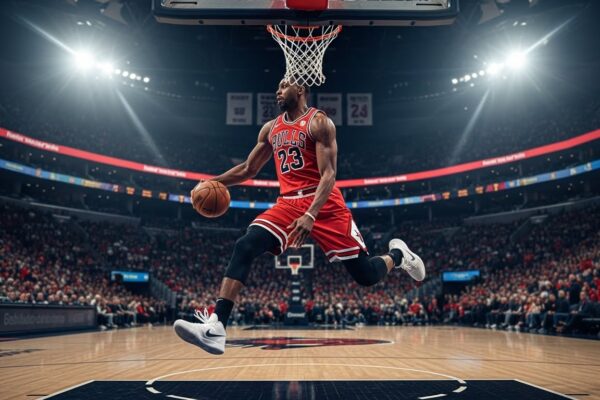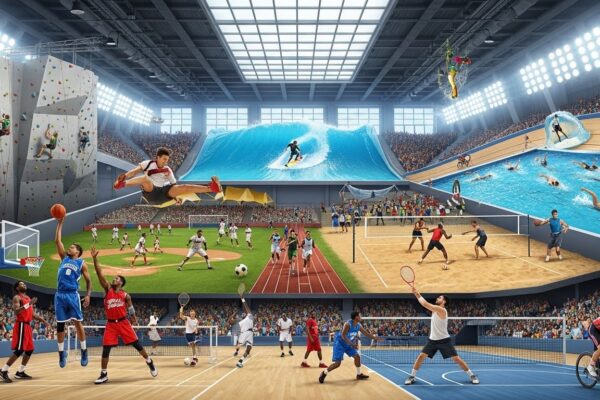

Sports have always been more than just a form of entertainment. They serve as a universal language, transcending borders, backgrounds, and differences. Whether it’s the thrill of the World Cup, the intensity of the Olympics, or the sheer passion of local leagues, sports have the power to influence cultures, build communities, and even change the world. In this blog post, we’ll explore the multifaceted ways in which sports shape and influence global culture, from the unity they foster to the political and social changes they inspire.
1. Sports as a Unifying Force
One of the most powerful ways that sports influence global culture is through their ability to bring people together. The shared experience of watching or playing a sport can create a sense of unity and collective identity. Whether it’s a local football team or a national event like the FIFA World Cup, people from all walks of life find common ground through their love of the game.
Why It’s Important:
- Breaking Down Barriers: Sports create a space where language, race, and socio-economic status become irrelevant. People unite over a common passion, regardless of their background.
- National Pride: When a country’s team succeeds on the world stage, it fosters a sense of pride and solidarity among its citizens. National teams become symbols of unity and collective achievement.
- Community Bonding: At the local level, sports serve as a vehicle for social cohesion, often bringing diverse communities together to celebrate their shared love for a particular sport.
In many ways, sports act as a catalyst for social connection, with fans and players forming a collective bond that transcends traditional divides.
2. The Role of Sports in Promoting Health and Wellness
Beyond entertainment and social cohesion, sports have a significant influence on global culture through their promotion of health and wellness. As the world becomes more conscious of the need for physical activity, sports offer a structured and enjoyable way to stay fit and healthy.
Why It’s Important:
- Encouraging Active Lifestyles: Professional sports inspire individuals to lead active lifestyles, while also offering a framework for recreational and amateur athletes to engage in physical activity.
- Mental Health Benefits: Physical exercise, often seen through sports participation, has proven benefits for mental health, including reduced stress, anxiety, and depression.
- Global Health Initiatives: Many organizations, from governments to nonprofits, use the power of sports to promote healthy living. Initiatives like “Move for Health” have harnessed sports’ ability to engage people in physical activity on a large scale.
Sports’ ability to influence attitudes toward health and fitness continues to play a key role in global efforts to combat obesity, mental health issues, and sedentary lifestyles.
3. Sports as a Catalyst for Social Change
The impact of sports on global culture goes far beyond just entertainment and physical fitness; it also serves as a powerful tool for social change. Throughout history, athletes have used their platforms to raise awareness about important social issues, challenge injustices, and fight for equality.
Why It’s Important:
- Athletes as Activists: From Muhammad Ali’s stand against the Vietnam War to Colin Kaepernick’s kneeling protest against racial injustice, athletes have used their visibility and influence to spark conversations around social change.
- Empowerment of Minorities: Sports have been pivotal in challenging racial and gender discrimination. The rise of women’s sports, the integration of racial minorities into professional leagues, and the fight for equal pay have all been shaped by the influence of sports.
- Cultural Movements: Major sporting events often serve as platforms for political statements. The 1968 Olympics, for example, are remembered for the iconic Black Power salute by Tommie Smith and John Carlos, which highlighted the civil rights movement.
Through these moments, sports continue to serve as a microcosm for larger social, political, and cultural movements, providing a powerful stage for societal change.
4. Globalization of Sports and Cultural Exchange
With the rise of globalization, sports have become a major avenue for cultural exchange. International leagues, tournaments, and competitions have introduced new sports to different parts of the world, while also bringing together diverse cultures in the spirit of friendly competition.
Why It’s Important:
- Exposure to New Cultures: As sports leagues like the NBA, Premier League, and IPL gain global followings, athletes from different cultures bring their unique styles of play, fashion, and traditions to the international stage, enriching the global sporting culture.
- Economic Impact: The global sports industry is a multi-billion-dollar ecosystem, driving economies, creating jobs, and bringing together people from all over the world. Major international events like the World Cup or the Olympics serve as a showcase for the host nation’s culture, while simultaneously exposing local cultures to a worldwide audience.
- Building International Relationships: Sports also foster diplomatic relationships between nations, with major tournaments and events often serving as a way for countries to establish connections and demonstrate cultural prowess.
The globalization of sports has turned athletic events into opportunities for nations to showcase their culture while experiencing the customs, traditions, and competitive spirit of others.
5. The Influence of Sports on Fashion and Pop Culture
Athletes, teams, and sports leagues have a significant impact on global fashion and pop culture. The crossover between sports and fashion has become increasingly evident, with athletes becoming major trendsetters both on and off the field.
Why It’s Important:
- Athlete-Endorsed Fashion: Many sports figures, such as Michael Jordan, Serena Williams, and LeBron James, have become fashion icons. Their partnerships with major brands and their personal styles influence global fashion trends.
- Sportswear as Lifestyle: Sports apparel is no longer just for athletes. Brands like Nike, Adidas, and Puma have made athletic wear a staple of everyday fashion. The fusion of style and functionality has made sportswear popular among people of all ages, even those who don’t participate in sports.
- Pop Culture Integration: Sports events like the Super Bowl, World Cup, and Olympic Games often intersect with pop culture, from halftime shows to celebrity endorsements. The merging of sports and entertainment has created a new cultural phenomenon, with sports stars often appearing in films, music videos, and fashion campaigns.
Through this fusion of sports and fashion, athletes and teams play an influential role in shaping trends, lifestyles, and cultural norms across the globe.
6. Sports and the Economic Impact on Global Culture
Sports are not only an essential part of cultural identity but also a driving force in the global economy. From merchandise sales to media rights and sponsorships, sports generate significant economic activity that impacts societies around the world.
Why It’s Important:
- Job Creation: The sports industry creates millions of jobs worldwide, including roles in coaching, broadcasting, marketing, and event management.
- Tourism and Infrastructure: Major sports events, such as the FIFA World Cup and the Olympics, often result in infrastructure development, tourism revenue, and increased global visibility for host cities.
- Branding and Sponsorships: Corporate sponsorships and endorsements are central to the success of both individual athletes and entire leagues. The economic activity generated by sports sponsorships affects multiple industries, from fashion to entertainment to technology.
As sports continue to expand their global reach, their economic significance will only increase, further integrating them into the fabric of global culture.
Conclusion: The Lasting Impact of Sports on Global Culture
Sports have an undeniable influence on global culture, not only in terms of entertainment but also as a vehicle for social change, cultural exchange, and economic growth. They break down barriers, challenge injustices, and create shared experiences that unite people from all corners of the world. Whether it’s the role of athletes as cultural icons, the power of sports to promote health and wellness, or the economic impact of global sporting events, sports are deeply embedded in the fabric of modern life.
As we move forward, sports will continue to evolve, inspire, and shape global culture, making it an essential part of how we connect, grow, and celebrate our shared humanity.