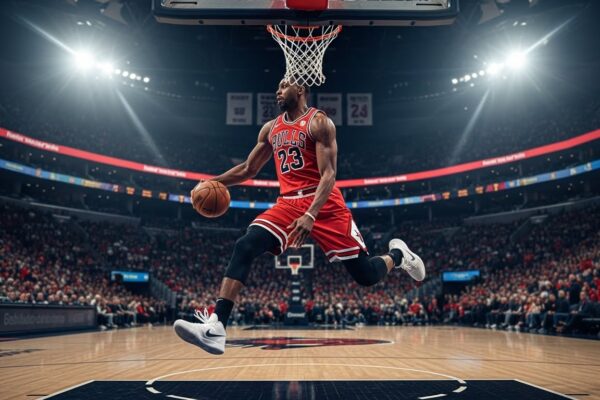

Sports have been an integral part of human civilization for thousands of years. From ancient gladiatorial contests in Rome to modern-day Olympic spectacles, sports have evolved into more than just a form of entertainment. They represent culture, discipline, teamwork, and an avenue for personal and societal growth. This blog explores the multifaceted world of sports, highlighting its physical, mental, and social benefits, while reflecting on how it shapes identities and communities worldwide.
The Historical Roots of Sports
Sports are not a modern invention; they have deep historical roots. Ancient civilizations used sports for both ritualistic purposes and physical training. For example, the Greeks established the Olympic Games over 2,700 years ago, celebrating physical excellence and fostering unity among city-states. Similarly, in ancient China, activities like archery and martial arts were intertwined with cultural values and personal discipline. Over centuries, sports evolved from simple recreational activities to organized competitions with established rules and governing bodies. Understanding the history of sports allows us to appreciate its role in shaping societies and human development over time.
Physical Benefits of Sports
The most obvious benefit of sports is its impact on physical health. Regular participation in physical activities helps maintain cardiovascular health, improves muscular strength, enhances flexibility, and supports overall fitness. Sports like swimming, running, football, and tennis engage multiple muscle groups simultaneously, making them excellent for holistic physical development. Additionally, active participation in sports helps combat lifestyle-related illnesses such as obesity, diabetes, and hypertension. Beyond physical fitness, sports also play a critical role in developing motor skills, coordination, and stamina, especially among children and young adults.
Mental and Psychological Advantages
While the physical benefits of sports are widely recognized, the mental and psychological advantages are equally significant. Engaging in sports fosters mental resilience, discipline, and stress management. Activities that require strategy and quick decision-making, such as basketball or chess, enhance cognitive abilities and improve problem-solving skills. Participating in sports also releases endorphins, the body’s natural mood elevators, which reduce stress, anxiety, and symptoms of depression. Team sports, in particular, instill a sense of camaraderie, belonging, and social connection, which are vital for emotional well-being.
Teamwork and Leadership Skills
Sports provide an exceptional platform for developing teamwork and leadership qualities. In team sports, success depends on coordination, communication, and mutual trust among players. Individuals learn to respect diverse perspectives, adapt to varying strategies, and contribute to a common goal. Moreover, sports often cultivate leadership skills as players are required to make tactical decisions, motivate peers, and lead by example during challenging situations. These attributes extend beyond the field, equipping participants with essential life skills that are valuable in professional and personal contexts.
Sports as a Tool for Social Integration
One of the most profound impacts of sports lies in its ability to bring people together across social, cultural, and economic divides. International sporting events, such as the FIFA World Cup or the Olympic Games, unite millions of people under the banner of healthy competition and shared enthusiasm. Locally, sports clubs and community leagues foster social integration, helping individuals from diverse backgrounds connect and collaborate. By emphasizing fair play, respect, and collective achievement, sports can bridge social gaps and cultivate a culture of inclusivity and mutual understanding.
Youth Development Through Sports
For children and adolescents, sports are crucial for overall development. Participating in sports from a young age teaches discipline, time management, and goal-setting. Young athletes learn to cope with victories and defeats, which builds resilience and emotional maturity. Furthermore, sports involvement encourages healthy lifestyle choices and deters engagement in risky behaviors by promoting structured activities and positive peer networks. Educational institutions that integrate sports programs create an environment that nurtures both intellectual and physical growth, contributing to the development of well-rounded individuals.
The Economic Impact of Sports
Sports also have a significant economic dimension. The sports industry generates employment opportunities, drives tourism, and contributes to local and national economies. Major sporting events attract spectators, sponsorships, and media coverage, boosting revenue for host cities and countries. Additionally, sports-related businesses, such as fitness centers, equipment manufacturing, and professional coaching services, thrive due to the growing global interest in physical activities. Beyond economic gains, sports promote national pride and international recognition, reinforcing the cultural and social significance of athletic achievement.
Women in Sports: Breaking Barriers
The role of women in sports has undergone remarkable transformation over the past century. Female athletes have consistently challenged stereotypes and demonstrated that sports are not limited by gender. Today, women excel in diverse fields ranging from athletics and football to martial arts and motorsports. The rise of women in sports has inspired young girls globally to pursue athletic careers and embrace physical fitness. Moreover, increased visibility and support for female athletes are gradually reshaping societal perceptions, promoting gender equality, and creating opportunities for leadership and representation in sports governance.
Technological Advancements in Sports
Technology has revolutionized the way sports are played, viewed, and analyzed. From performance-tracking wearables to advanced video analysis, technology enhances both athlete performance and spectator experience. Innovations like goal-line technology in football, Hawkeye in tennis, and wearable heart-rate monitors provide precise data that helps athletes refine skills and avoid injuries. Additionally, streaming platforms and virtual reality experiences have transformed fan engagement, allowing enthusiasts to enjoy sports from anywhere in the world. As technology continues to evolve, it will further shape the future of sports, creating new possibilities for participation and entertainment.
The Globalization of Sports
Sports today transcend borders, languages, and cultures, making them a universal language of unity and competition. Globalization has enabled athletes to compete internationally, exchange training techniques, and gain worldwide recognition. International leagues and tournaments facilitate cultural exchange, fostering respect and understanding among nations. The global appeal of sports also emphasizes values such as sportsmanship, perseverance, and teamwork, which resonate across societies. In this interconnected world, sports serve not only as a pastime but also as a medium for global dialogue and cross-cultural engagement.
Sports and Personal Identity
Participation in sports often plays a crucial role in shaping personal identity. Athletes develop self-confidence, a sense of purpose, and a personal narrative tied to their achievements and experiences. Whether it’s the pride of representing a team or the satisfaction of personal growth, sports provide opportunities for self-expression and empowerment. Even casual participation in recreational sports can contribute to a positive self-image, helping individuals understand their strengths, weaknesses, and potential. In essence, sports help people discover themselves while cultivating values that extend beyond the playing field.
The Future of Sports
The future of sports promises exciting developments driven by innovation, inclusivity, and sustainability. As awareness grows regarding the importance of mental health and holistic development, sports programs are increasingly integrating psychological support alongside physical training. Emerging disciplines, adaptive sports for differently-abled individuals, and sustainable sporting events are redefining how sports impact communities. Additionally, technological integration will continue to revolutionize training, performance tracking, and fan experiences. The future holds the promise of a more inclusive, dynamic, and globally interconnected sporting landscape that continues to inspire generations.
Conclusion: Sports as a Way of Life
Sports are far more than games; they are a reflection of human aspiration, discipline, and unity. They enrich lives by fostering physical health, mental resilience, social cohesion, and personal growth. From grassroots initiatives to global tournaments, sports have the power to inspire, educate, and transform communities. Whether as a participant, spectator, or supporter, engaging with sports offers valuable lessons in teamwork, perseverance, and respect. As society continues to evolve, the timeless appeal of sports will endure, reminding us that beyond competition and records, the true essence of sports lies in the joy, connection, and growth they bring to our lives.