
Introduction: The Universal Power of Sports
Sports, in one form or another, have been a part of human culture for thousands of years. From the ancient Olympic Games to modern-day football (soccer), basketball, and esports, the evolution of sports has mirrored the progress of human civilization. What started as basic physical contests has transformed into a global phenomenon that captivates billions of people around the world. Whether it’s through participation or spectating, sports have the power to unite people, transcend borders, and create shared experiences.
In this blog post, we’ll explore the history of sports, how they’ve evolved, the role they play in society, and what the future might hold for the world of sports.
The Origins of Sports: A Glimpse into Ancient Times
The origins of sports can be traced back to early human history, where athletic competitions were used both for entertainment and as part of religious or cultural rituals. Some of the earliest evidence of sporting activities comes from ancient civilizations such as Egypt, Mesopotamia, and China, where various forms of games were practiced.
However, it was the ancient Greeks who formalized sports with the creation of the Olympic Games in 776 BCE. These games were held in Olympia in honor of the Greek god Zeus and were one of the earliest examples of an organized athletic competition. The original Olympic Games featured events like running, discus throwing, long jump, and wrestling. These events would go on to serve as the foundation for modern track and field competitions.
Similarly, in ancient Rome, sports played a significant role in society, particularly gladiatorial combat, where warriors fought to the death for the entertainment of the masses. This brutal form of sport was a testament to the Roman Empire’s thirst for power and spectacle, as gladiators often became celebrities in their own right.
The Birth of Modern Sports
While ancient sports were primarily about physical prowess and entertainment, the 19th century saw the birth of the sports that would become central to modern society. The rise of organized sports leagues, standardized rules, and the commercialization of sports marked a turning point.
One of the first modern sports to gain widespread popularity was football (soccer). In 1863, the Football Association was founded in England, and the rules of the game were standardized, laying the foundation for what would become the world’s most popular sport. Football spread rapidly across Europe and beyond, with the FIFA World Cup, first held in 1930, becoming the most-watched sporting event in the world.
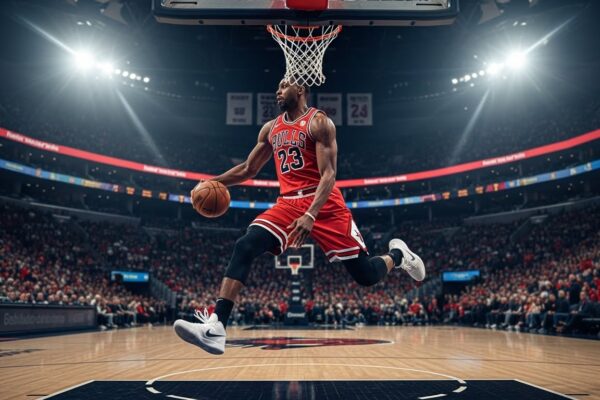
Basketball, invented by Dr. James Naismith in 1891, quickly spread across the United States and became one of the most popular sports globally. The formation of the National Basketball Association (NBA) in 1946 helped propel basketball into a global phenomenon, with superstars like Michael Jordan, LeBron James, and Kobe Bryant becoming household names.
Baseball also rose to prominence in the 19th century, particularly in the United States, where it was deemed “America’s pastime.” The establishment of professional baseball leagues and the rise of legendary players such as Babe Ruth cemented baseball’s place in the American sports culture.
As these sports became formalized, so did others. Tennis, rugby, cricket, and cycling saw similar advancements, eventually leading to the creation of professional leagues, global competitions, and the standardization of rules.
Sports and Globalization: The World Comes Together
One of the most significant developments in the world of sports over the past century has been the globalization of athletic competitions. With advancements in transportation, technology, and media, sports have become more accessible and widely followed than ever before. Events like the FIFA World Cup, the Olympic Games, and the Tour de France have become global spectacles, bringing together athletes from across the world to compete on the world stage.
The FIFA World Cup is an excellent example of the global nature of modern sports. Held every four years, the tournament brings together 32 national teams from across the globe to compete for the coveted trophy. The World Cup is not just a sporting event; it’s a cultural phenomenon that unites millions of people from diverse backgrounds. Fans from different countries celebrate their teams and, in the process, build friendships and shared experiences that transcend borders.
The Olympic Games also serve as a platform for international unity. Since its inception in 1896, the Olympic Games have allowed countries to put aside political differences and come together in the spirit of friendly competition. Athletes from all over the world participate in the Games, not just to compete, but to celebrate human achievement and athletic excellence.
The Commercialization of Sports
As sports gained popularity in the 20th century, they also became big business. The commercialization of sports has led to the creation of multi-billion-dollar industries, with sports leagues, sponsors, broadcasters, and advertisers all contributing to the economic engine that is modern sports.
The biggest sports leagues, such as the National Football League (NFL), National Basketball Association (NBA), Major League Baseball (MLB), and the English Premier League (EPL), generate massive revenue from ticket sales, broadcasting rights, merchandise, and sponsorships. For example, the NFL generates over $10 billion annually, while the NBA’s global reach has made it one of the richest sports leagues in the world.
One of the key factors in this commercial growth has been television broadcasting. The rise of television in the mid-20th century revolutionized the way sports were consumed. Major sporting events, such as the Super Bowl, the FIFA World Cup, and the Olympic Games, became globally accessible, attracting millions of viewers.
The internet has further propelled the commercialization of sports, with live streaming, social media platforms, and digital subscriptions creating new opportunities for revenue. Athletes themselves have become brands, using their social media following to attract lucrative endorsement deals with companies like Nike, Adidas, and Coca-Cola.
Sports as a Platform for Social Change
Sports have always been more than just games; they have been used as powerful platforms for social change. Throughout history, athletes have used their visibility and influence to speak out against social injustices, promote equality, and inspire positive change.
In the 1960s, Muhammad Ali became one of the most prominent athletes to use his platform for activism, particularly in his opposition to the Vietnam War. His refusal to serve in the military during the war was a bold stance against racial inequality and sparked national conversations about civil rights.
Similarly, during the 1968 Olympic Games in Mexico City, American athletes Tommy Smith and John Carlos raised their fists in a Black Power salute during the medal ceremony to protest racial discrimination in the United States. This iconic moment remains one of the most significant acts of political protest in the history of the Olympic Games.
In recent years, athletes like Colin Kaepernick have used their platforms to raise awareness about racial injustice, particularly police brutality. Kaepernick’s decision to kneel during the national anthem in 2016 sparked a nationwide debate and ignited a movement that continues to have an impact on the way athletes view their roles in society.
The Future of Sports: Technology and New Frontiers
As technology continues to advance, the future of sports is poised for further transformation. The integration of technology into sports has already brought significant changes, from the introduction of video assistant referees (VAR) in soccer to the use of performance-tracking wearables for athletes.
One of the most exciting developments in recent years has been the rise of esports. Competitive gaming, once seen as a niche hobby, has evolved into a billion-dollar industry with professional leagues, sponsorships, and huge global audiences. Events like The International (for the game “Dota 2”) and the League of Legends World Championship draw millions of viewers and offer multi-million-dollar prize pools. Esports has become a new frontier in competitive sports, appealing to a younger, tech-savvy generation.
Moreover, sports are becoming increasingly immersive thanks to innovations in virtual reality (VR) and augmented reality (AR). These technologies promise to revolutionize the fan experience, offering fans the chance to watch games from a first-person perspective or interact with virtual stadiums and athletes in new ways. In the future, sports might become even more interactive, with fans able to play alongside their favorite athletes through virtual platforms.
Conclusion: The Enduring Legacy of Sports
Sports have come a long way from their humble beginnings as simple physical contests to becoming a multi-billion-dollar global industry. Through the rise of organized competitions, the globalization of events like the World Cup and the Olympics, and the growing role of technology, sports have become a fundamental part of our culture and society.
Sports are not only a source of entertainment but also a powerful force for social change, education, and unity. As technology continues to reshape the landscape, the future of sports looks brighter than ever. What will remain constant is sports’ unique ability to bring people together, inspire excellence, and provide a platform for athletes and fans alike to share in the thrill of competition.