Introduction
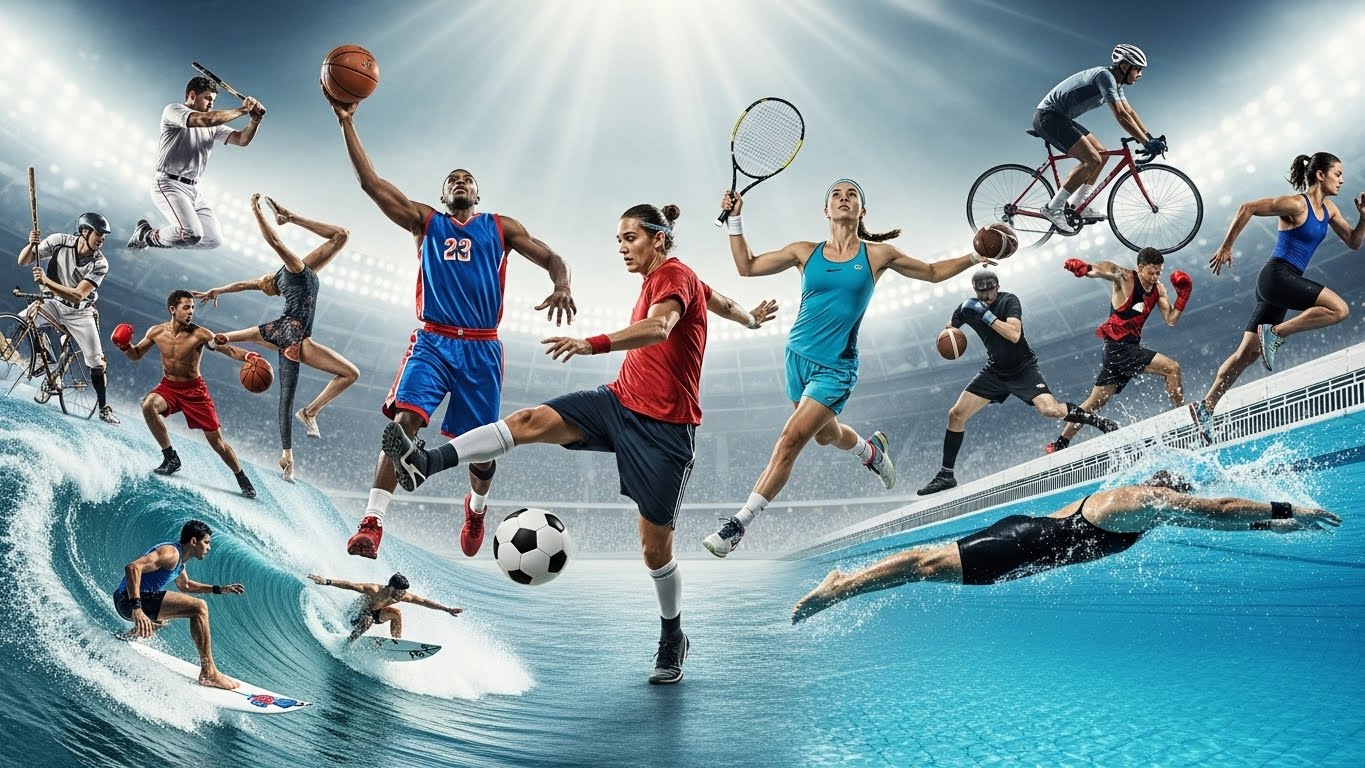
Sports have always played a pivotal role in human society, offering far more than just entertainment or recreation. They serve as powerful platforms for social interaction, personal development, and community building. The impact of sports is profound, affecting every aspect of our lives, from our health and wellbeing to our relationships and economies. Whether played professionally or casually, sports have an undeniable power to bring people together, shape personal values, and contribute to the fabric of societies worldwide. This blog explores the many dimensions of sports, from their social significance to their physical and mental benefits, and highlights why they continue to be a vital part of modern life.
Sports as a Social Connector
One of the most significant aspects of sports is their ability to bring people together, creating connections across different backgrounds, cultures, and communities. Sports have the unique power to transcend barriers—whether they are geographic, social, or linguistic—and foster a sense of shared purpose.
At their core, sports create a common language that everyone can speak. Whether it’s a neighborhood soccer match, a high-stakes international tournament, or a community softball game, people of all ages and backgrounds come together to share in the joy of competition and camaraderie. For fans and participants alike, sports provide an opportunity to connect with others who share the same enthusiasm and passion.
In the context of global sports events like the Olympic Games or the FIFA World Cup, countries come together in the spirit of friendly competition, displaying national pride while engaging in a shared celebration of human achievement. These events have the power to unite entire nations, often erasing political or social divisions, even if only temporarily. They remind us that, at a fundamental level, we are all part of a larger human community.
Building Character and Life Skills Through Sports
The lessons that sports teach us extend far beyond the physical realm. Participation in sports fosters important life skills and helps individuals build character in ways that are invaluable both on and off the field.
1. Discipline and Self-Control
Sports require dedication, commitment, and practice, all of which help individuals develop discipline. Whether it’s committing to a daily training regimen, adhering to a team strategy, or maintaining focus in the heat of competition, athletes learn to set goals and work tirelessly toward achieving them. This discipline can be applied in many areas of life, from personal health to academic success and career advancement.
2. Teamwork and Cooperation
For many, sports are the ultimate expression of teamwork. Whether playing a team-based sport like soccer, basketball, or volleyball, or even in individual sports like doubles tennis, athletes learn how to cooperate, communicate, and support one another in pursuit of a common goal. The skills learned through teamwork—such as effective communication, trust, and mutual respect—are vital for building strong personal and professional relationships.
Through sports, people learn that success is often the result of collective effort. This is especially true in team sports, where the performance of one player can depend on the contributions and support of others. In addition, athletes gain the ability to put personal egos aside for the greater good of the team, a valuable lesson that translates into success in other aspects of life.
3. Resilience and Mental Toughness
Perhaps one of the most important life lessons that sports teach is resilience. In any competition, there will be losses, setbacks, and moments of failure. But it is how athletes respond to these challenges that defines their character. Sports teach individuals how to bounce back from adversity, learn from mistakes, and keep pushing forward.
Resilience in sports is not just about physical endurance; it’s also about mental toughness. Whether facing a tough opponent, a long losing streak, or the pressure of a high-stakes competition, athletes develop the mindset needed to persevere, adapt, and improve. These mental tools—such as focusing on the process rather than the outcome—are vital for overcoming obstacles in any part of life.
The Physical and Mental Health Benefits of Sports
The physical benefits of sports are well-known, but their impact on mental health is equally significant. Participation in sports can be a powerful tool for maintaining overall wellbeing, helping people feel more connected to their bodies, their communities, and themselves.
1. Improving Physical Health
Regular participation in sports promotes cardiovascular health, increases strength, improves flexibility, and boosts overall fitness levels. Sports help prevent a variety of chronic conditions, such as obesity, heart disease, and diabetes, by encouraging an active lifestyle. In fact, physical activity through sports can be more enjoyable and sustainable than other forms of exercise, making it easier to stick with long-term.
For young people, sports play a critical role in developing motor skills, coordination, and physical literacy. They help instill healthy habits that can carry through into adulthood. For adults, engaging in sports can reduce the risks associated with a sedentary lifestyle, improving energy levels and overall vitality.
2. Enhancing Mental Well-Being
Beyond physical health, sports offer numerous benefits for mental health. The act of participating in physical activity triggers the release of endorphins—chemicals in the brain that are often referred to as “feel-good” hormones. These hormones can help combat anxiety, stress, and depression, promoting a sense of happiness and emotional stability.
In addition, sports can improve cognitive function by enhancing focus, memory, and concentration. Whether it’s a complex play in basketball or managing multiple tasks in a race, sports require mental agility and the ability to think quickly under pressure. These skills can transfer to various areas of life, such as work, school, and personal relationships.
Moreover, sports provide a healthy outlet for stress and emotional release. Physical activity helps people process their emotions in a constructive way, preventing feelings of frustration or anger from boiling over. The sense of accomplishment and satisfaction that comes from physical exertion can also lead to improved self-esteem and confidence.
The Economic Impact of Sports
The sports industry is a global economic powerhouse, generating billions of dollars annually through ticket sales, sponsorships, merchandise, and media rights. From the grassroots level to professional leagues, sports contribute significantly to local, national, and global economies.
1. Job Creation and Economic Growth
Sports create a wide array of jobs, from athletes and coaches to event organizers, broadcasters, and hospitality workers. In many cities and regions, professional sports teams, events, and tournaments provide a significant economic boost by attracting tourists, creating jobs, and generating tax revenue. The economic impact of major sporting events like the FIFA World Cup or the Olympics is immense, as they bring in tourism, increase business activity, and provide infrastructure investments.
Local economies also benefit from grassroots sports leagues, where youth sports programs, local tournaments, and recreational facilities support jobs and boost community involvement. The sports industry provides numerous career opportunities, from fitness trainers to sports medicine professionals, and even roles in digital marketing, event planning, and sports journalism.
2. Sports Tourism
Sports tourism is a rapidly growing sector of the economy. Fans travel across the globe to watch their favorite teams and athletes compete in major international events. This influx of visitors supports local businesses, including hotels, restaurants, transportation services, and entertainment venues. Additionally, many countries and cities rely on sports tourism to showcase their culture and attract visitors year-round.
The impact of sports tourism is not just limited to large international events. Smaller, community-based sporting events also draw visitors and provide opportunities for regional economic development. For instance, youth and amateur sports tournaments can bring families and supporters from outside the area, boosting local tourism and commerce.
Sports and Social Change
Sports have long been a platform for social change, providing a space where issues of inequality, discrimination, and injustice can be highlighted. Over the years, athletes and sports organizations have used their platform to advocate for causes that resonate far beyond the playing field.
1. Fighting Racism and Promoting Equality
In many countries, sports have been a powerful force in the fight against racial inequality. Athletes like Jackie Robinson, Muhammad Ali, and Colin Kaepernick have used their positions to challenge societal norms and raise awareness about racial injustice. These athletes have risked their careers and reputations to advocate for change, inspiring others to do the same.
In addition, sports have played a critical role in promoting gender equality. The rise of women’s sports, the push for equal pay, and campaigns against sexual harassment and discrimination have all been supported by athletes and organizations working to create a more equitable playing field for everyone, regardless of gender or background.
2. Building Communities and Empowering Youth
Sports also play a significant role in empowering youth, especially in underserved communities. By providing young people with opportunities to participate in sports, they gain access to mentorship, leadership development, and personal growth. Many community-based sports programs offer a safe and structured environment where youth can learn valuable life skills, build self-confidence, and find a sense of belonging.
For disadvantaged communities, sports provide an outlet for self-expression and a means of escape from the challenges of daily life. Through sports, young people can form supportive relationships, gain confidence, and set goals for their futures. In this way, sports can become a force for positive change, helping to break the cycle of poverty, violence, and inequality.
Conclusion
Sports have an enduring and far-reaching impact on individuals, communities, and societies as a whole. From their ability to bring people together and foster social connection to their role in promoting physical and mental well-being, sports are more than just games. They serve as platforms for character development, avenues for personal growth, and sources of entertainment that enrich our lives.
Whether through the discipline it instills, the friendships it fosters, or the economic impact it creates, sports continue to shape the world in meaningful ways. As we move into the future, the role of sports in society will only continue to evolve, driving further social change, economic growth, and personal transformation for generations to come.