Introduction: The Universal Language of Sports
Sports have always held a unique place in human society. From the ancient Olympic Games in Greece to modern professional leagues around the globe, sports transcend geography, language, and culture. They are more than just a form of entertainment; they are a reflection of human aspiration, discipline, and resilience. Sports inspire millions, bringing communities together, promoting physical and mental well-being, and teaching invaluable life lessons. Whether played professionally or recreationally, sports impact lives in ways that go beyond the thrill of competition or the roar of a crowd. This blog explores the multifaceted role of sports in our lives, examining their historical significance, social impact, psychological benefits, and their evolving role in the digital age.
The Historical Roots of Sports
The history of sports is as old as civilization itself. Early humans engaged in physical contests for survival, hunting, or ritualistic purposes, gradually transforming these activities into structured games. Ancient civilizations such as Egypt, Greece, and Rome had organized competitions that emphasized physical strength, strategy, and teamwork. The Greeks formalized sports through the Olympic Games, celebrating human excellence and unity, while the Romans popularized gladiatorial contests as a public spectacle. Over centuries, sports evolved with societies, giving rise to modern games like football, cricket, basketball, and athletics. Understanding the historical roots of sports highlights how they have always been more than mere pastimes—they serve as cultural symbols, a means to demonstrate skill and honor, and a platform to unite people.
Physical Benefits of Sports
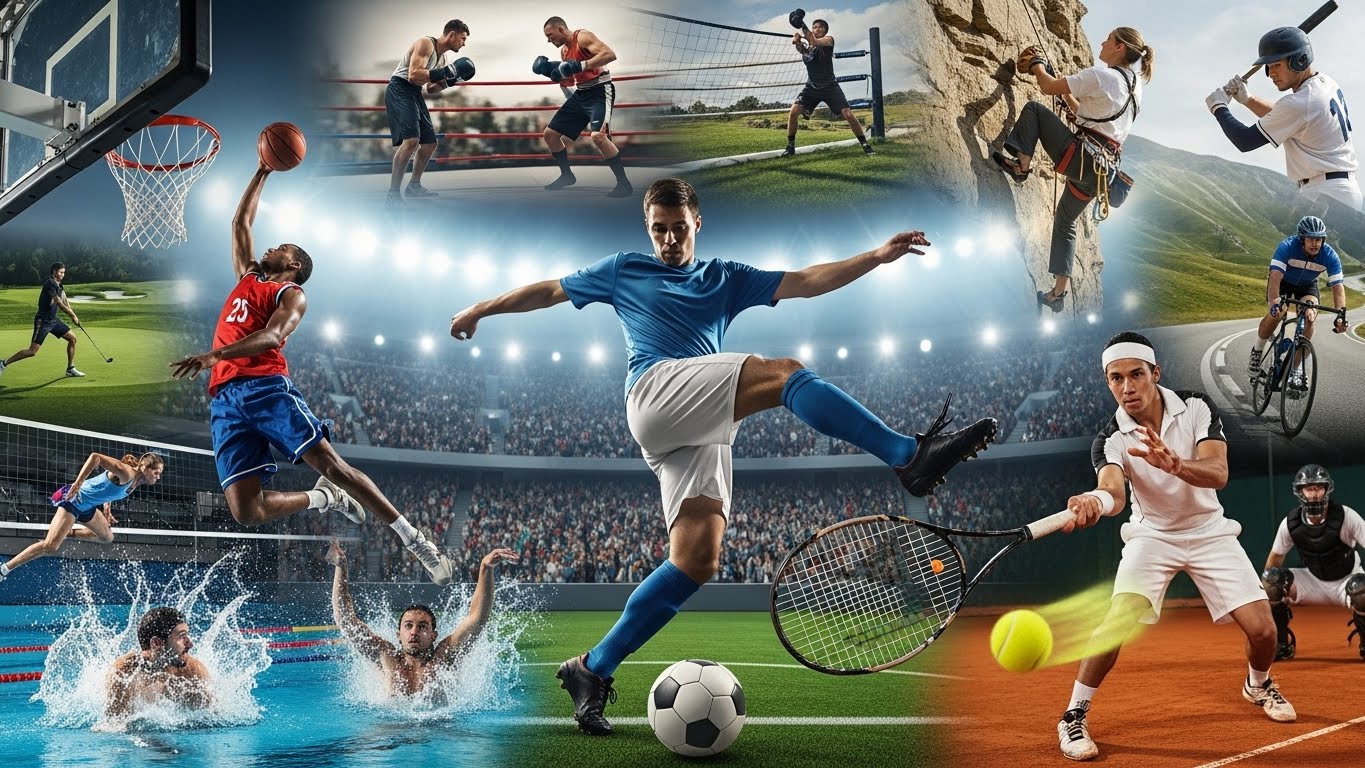
One of the most obvious benefits of sports is their impact on physical health. Regular participation in sports enhances cardiovascular fitness, strengthens muscles, improves flexibility, and promotes coordination. Activities such as swimming, running, and cycling increase endurance, while team sports like basketball, soccer, and hockey build agility and reflexes. Sports also help in managing body weight and reducing the risk of chronic illnesses such as diabetes, hypertension, and obesity. Beyond physical fitness, consistent engagement in sports promotes better sleep patterns and a stronger immune system. For children and adolescents, sports play a crucial role in growth and development, fostering motor skills and overall health from an early age. In adults, sports provide an enjoyable way to stay active, combat sedentary lifestyles, and maintain vitality throughout life.
Psychological Impact: Building Mind and Character
While the physical benefits of sports are widely recognized, the psychological advantages are equally significant. Sports challenge individuals to set goals, develop focus, and persevere through difficulties. They cultivate self-discipline, determination, and resilience, which are essential traits both on and off the field. Participating in sports also helps manage stress, anxiety, and depression, offering a healthy outlet for emotions and a break from the pressures of daily life. Team sports, in particular, foster communication skills, cooperation, and empathy as players learn to work together toward a common objective. Athletes often experience increased self-esteem and confidence, achievements on the field translating into a positive mindset in personal and professional realms. In essence, sports function as a form of mental conditioning, strengthening character and promoting emotional well-being.
Sports as a Cultural Connector
Sports are a powerful medium for cultural expression and global connection. Events like the FIFA World Cup, the Olympics, and the Super Bowl capture worldwide attention, uniting fans from diverse backgrounds through shared enthusiasm. They reflect the values, traditions, and identities of nations, offering a glimpse into cultural pride and heritage. Beyond professional competitions, local sports foster community cohesion and social inclusion, creating a sense of belonging among participants and spectators alike. In multicultural societies, sports provide common ground where individuals from different ethnicities and beliefs can engage and celebrate together. Through sports, people develop mutual respect, break down stereotypes, and build friendships that transcend cultural and geographical boundaries. This unique ability to bridge divides makes sports a universal connector in an increasingly fragmented world.
Youth Development and Education Through Sports
The role of sports in education and youth development cannot be overstated. Schools and colleges integrate sports into curricula to promote holistic growth, teaching students essential life skills such as teamwork, leadership, time management, and discipline. Participation in sports encourages academic engagement, as children who are physically active often perform better cognitively and socially. Moreover, youth sports programs provide a safe environment to develop resilience, confront challenges, and handle both victory and defeat gracefully. Through competitive play, young athletes learn goal setting, strategic thinking, and problem-solving skills that are transferable to their future careers. Sports also foster inclusivity and equality, offering opportunities for individuals from diverse backgrounds to participate and shine regardless of their social or economic status.
The Professional Sports Industry
Professional sports have grown into a global industry worth billions of dollars, with athletes, teams, and organizations commanding immense influence. Media coverage, sponsorship deals, and merchandising have transformed sports into a commercial powerhouse. Professional athletes inspire millions, becoming role models and symbols of dedication and excellence. However, the commercialization of sports also brings challenges, including excessive pressure on athletes, financial inequalities, and ethical dilemmas related to performance-enhancing substances or corruption. Despite these issues, the professional sports industry continues to shape popular culture, drive economic growth, and create entertainment that captivates audiences worldwide. It also highlights the dedication, training, and sacrifice required to reach the highest levels of achievement in any discipline.
Sports and Technology: The Digital Revolution
Technology has transformed how sports are played, consumed, and analyzed. Advanced training equipment, wearable fitness trackers, and virtual simulations have enhanced athlete performance and safety. Video analysis allows coaches to study techniques, improve strategies, and optimize team performance. On the spectator side, live streaming, virtual reality, and social media have made sports more accessible, allowing fans to engage with events in real time from anywhere in the world. Technology also promotes inclusivity, with adaptive devices enabling athletes with disabilities to compete at elite levels. While traditional forms of sports remain cherished, the digital revolution ensures that sports continue to evolve, reaching wider audiences and fostering deeper connections between players and fans.
Sports as a Platform for Social Change
Sports often transcend the realm of competition to become a platform for social change. Athletes have historically used their visibility to advocate for equality, human rights, environmental conservation, and social justice. Iconic moments, such as athletes taking a knee to protest racial injustice or promoting mental health awareness, demonstrate the influence of sports beyond the field. Sports can inspire civic engagement, promote charitable initiatives, and challenge societal norms. By leveraging their global reach, sports figures and organizations play a critical role in raising awareness and mobilizing action for pressing social issues. This intersection of sports and activism highlights the potential of athletic platforms to shape values, influence policies, and foster a more equitable society.
The Future of Sports
The future of sports promises innovation, inclusivity, and greater global engagement. Emerging trends such as e-sports, virtual competitions, and AI-driven performance analytics are redefining traditional concepts of athletics. Sustainability is becoming a priority, with eco-friendly stadiums, zero-waste events, and environmentally conscious practices gaining prominence. Efforts to increase gender equality and representation in sports are creating opportunities for women and marginalized groups to thrive. Furthermore, international collaboration and grassroots programs are fostering talent development and global connectivity. Despite technological and societal changes, the essence of sports—the pursuit of excellence, teamwork, and human connection—remains constant, ensuring its relevance for generations to come.
Conclusion: More Than Just a Game
Sports are far more than a source of entertainment; they are a reflection of human spirit, culture, and resilience. They strengthen the body, enrich the mind, and connect communities across boundaries. From their historical roots to modern professional arenas, sports continue to inspire, educate, and empower individuals. Whether played on local fields, in international stadiums, or virtually, sports embody dedication, passion, and the pursuit of greatness. As society evolves, the role of sports will continue to expand, shaping lives, driving social progress, and uniting humanity in the timeless celebration of skill, teamwork, and shared joy. In every goal scored, record broken, and barrier surpassed, sports remind us of the boundless potential within ourselves and the collective strength of human endeavor.