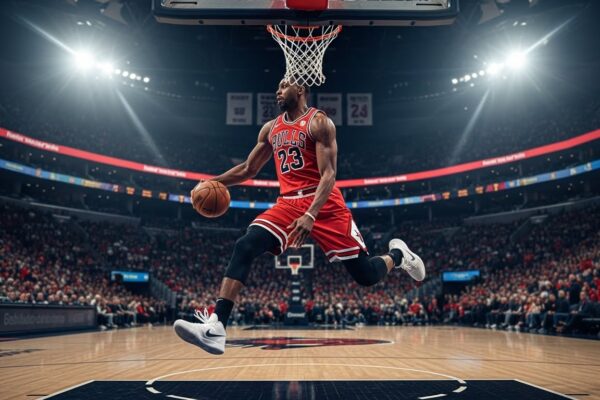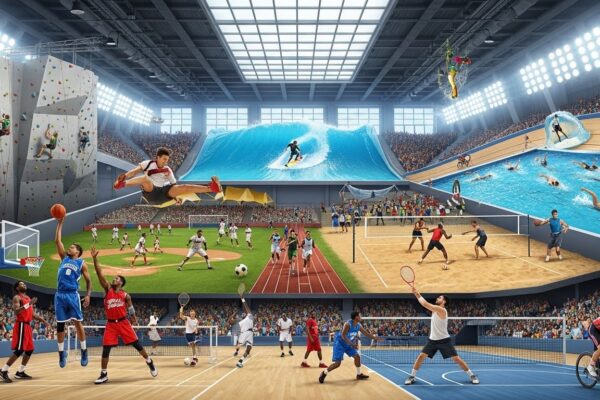
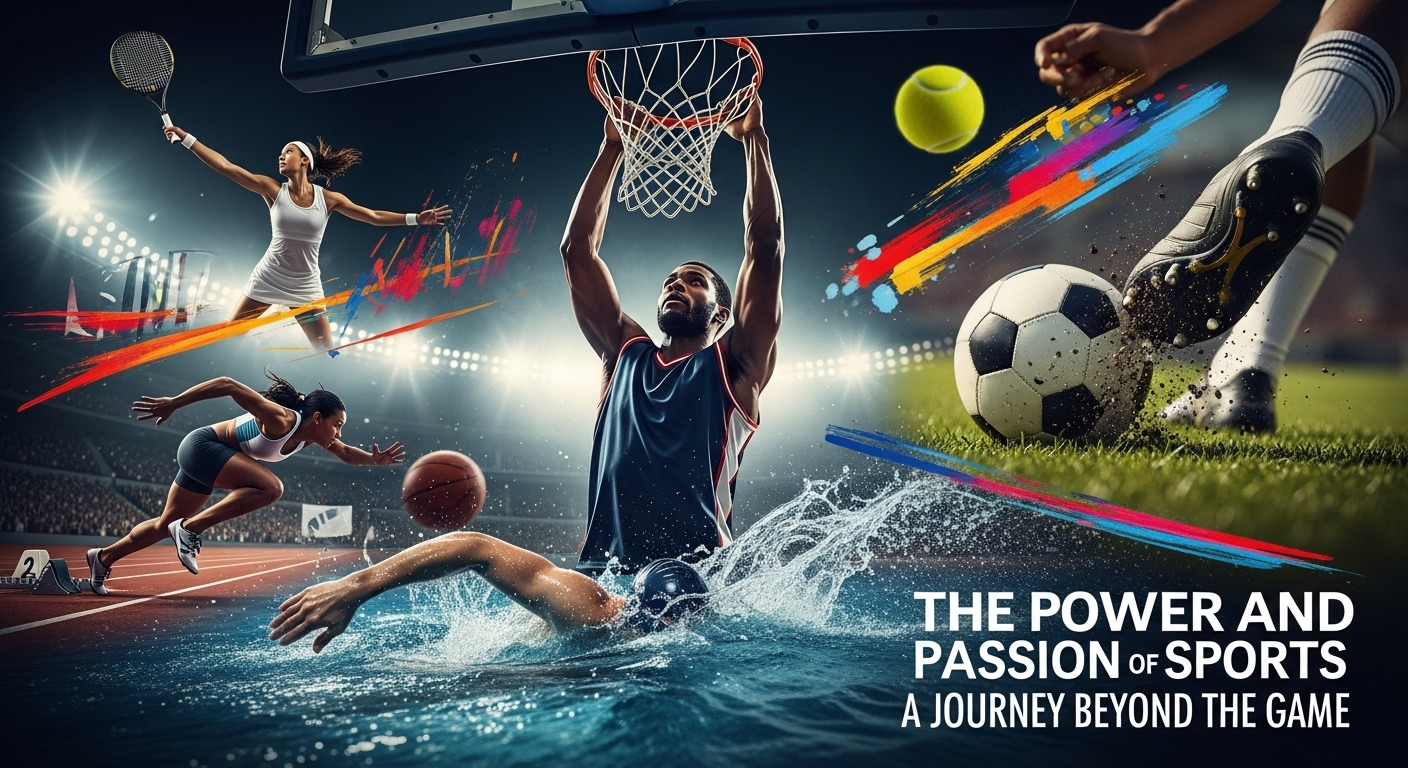
Sports have always been more than just games. They are a universal language that transcends borders, cultures, and generations. Whether it’s the roar of a stadium crowd, the silent focus of an athlete before a big race, or the joy of children playing barefoot on dusty fields, sports unite humanity in a way few other things can. This blog explores the vast and colorful world of sports—its history, impact, spirit, and the way it continues to shape lives across the globe.
The Origins and Evolution of Sports
The story of sports is as old as human civilization itself. From the ancient Olympic Games in Greece to tribal wrestling in Africa and traditional martial arts in Asia, sports have always been an integral part of human expression. Early forms of sports were often connected to survival, military training, or religious rituals. Running, throwing, hunting, and fighting were not just competitive activities—they were skills essential for life.
The Greeks were among the first to formalize athletic competition. The ancient Olympics, held in Olympia around 776 BCE, celebrated physical prowess, discipline, and the glory of the gods. Similar traditions existed in other parts of the world. The Chinese played Cuju, an early form of football, while the Mayans and Aztecs played a ritual ball game that symbolized cosmic balance.
As societies evolved, so did sports. They became structured, governed by rules, and celebrated for their entertainment value. By the 19th century, with the rise of industrialization and global communication, sports began to spread rapidly. Modern football, cricket, tennis, and basketball all took shape during this period, transforming local pastimes into global phenomena.
The Spirit of Competition and Fair Play
At the heart of sports lies the spirit of competition—a test of skill, strength, and mental resilience. Yet true competition is not merely about winning; it is about respect, integrity, and sportsmanship. The idea of fair play ensures that athletes compete not only with physical ability but also with honor and honesty.
Fair play teaches valuable life lessons: to win with humility, to lose with dignity, and to keep striving regardless of the outcome. These lessons extend far beyond the field or court. In everyday life, the discipline learned through sports helps individuals face challenges, work in teams, and handle both success and failure with grace.
Sportsmanship is one of the most beautiful aspects of competition. Moments like athletes helping injured opponents cross the finish line or teams uniting after a hard-fought match remind us that humanity is stronger than rivalry.
The Role of Sports in Society
Sports hold immense social power. They break barriers of race, religion, language, and nationality. From the World Cup to the Olympics, millions of people come together to cheer, celebrate, and dream. Sports create a shared emotional experience that unites communities and even nations.
They also play a vital role in education and youth development. Schools and universities across the world emphasize physical education not only to improve health but also to build character and teamwork. Young athletes learn to set goals, practice perseverance, and develop confidence through their sporting journeys.
Sports have also become a powerful tool for social change. Athletes have used their platforms to speak out against injustice and inequality. Figures like Muhammad Ali, Serena Williams, and Lionel Messi are not just champions in their fields—they are symbols of strength, resilience, and leadership. Sports give voice to causes that might otherwise go unheard, and that influence continues to grow with time.
The Globalization of Sports
The modern world has turned sports into a truly global phenomenon. With advances in media, technology, and transportation, fans can watch games happening thousands of miles away in real time. Sports have become a massive industry worth billions, influencing economies, cultures, and lifestyles.
Global competitions such as the FIFA World Cup, the Olympics, and the NBA Finals attract audiences in the billions. These events showcase the best of human talent and bring together people from every corner of the world. Countries invest heavily in sports infrastructure, seeing it as a matter of pride and national identity.
However, globalization has also created new challenges—commercialization, doping scandals, and the pressure on young athletes to perform. The balance between passion and profit is delicate. Yet despite these challenges, the essence of sports remains untouched: the thrill of competition and the joy of participation.
The Role of Technology in Modern Sports
Technology has revolutionized sports in countless ways. From video analysis to advanced equipment and fitness tracking, athletes today have access to tools that previous generations could only dream of. Wearable devices measure heart rate, speed, and recovery time. Video assistant referees help ensure fair play. Artificial intelligence is used to analyze strategies and improve performance.
Broadcasting has also evolved. Fans no longer need to sit in stadiums to enjoy their favorite games. High-definition cameras, instant replays, and interactive commentary bring the action to living rooms worldwide. Social media has turned athletes into global icons, allowing them to connect directly with millions of followers.
Technology has also made sports safer. Improved protective gear, better playing surfaces, and medical innovations have significantly reduced injuries and prolonged athletic careers. The partnership between sports and science continues to evolve, promising even greater advancements in the years to come.
The Importance of Fitness and Physical Activity
Beyond professional competitions, sports promote fitness, wellness, and a healthy lifestyle for everyone. Physical activity is essential not just for the body but also for the mind. It reduces stress, improves concentration, and enhances overall well-being.
In today’s digital age, where sedentary habits dominate, the importance of sports cannot be overstated. Regular exercise strengthens the heart, builds muscles, and boosts immunity. Team sports encourage communication and cooperation, while individual sports like running or swimming help cultivate discipline and self-motivation.
Governments and organizations around the world are investing in programs to encourage people of all ages to stay active. Community sports clubs, recreational events, and fitness campaigns are helping people rediscover the joy of movement and the benefits of an active lifestyle.
The Emotional Impact of Sports
Sports are not just physical contests—they are deeply emotional experiences. They inspire joy, heartbreak, pride, and unity. Every fan knows the thrill of victory and the agony of defeat. Whether it’s a buzzer-beating shot in basketball, a last-minute goal in football, or a comeback victory in tennis, sports moments have the power to move people to tears.
Athletes become heroes, representing dreams and hopes. Their journeys—from struggle to triumph—mirror the challenges faced by millions of people. When an underdog wins or an injured player returns to glory, it becomes more than a story about sport; it becomes a story about the human spirit.
The connection between fans and sports is profound. Supporters follow their teams with passion and loyalty, often across generations. This bond creates a sense of belonging that transcends everyday life. Sports remind us that no matter how different we are, we all share the same emotions.
Women in Sports: Breaking Boundaries
For much of history, sports were dominated by men. But today, women athletes are shattering records, breaking barriers, and proving that strength, skill, and determination know no gender. From trailblazers like Billie Jean King and Nadia Comăneci to modern icons like Serena Williams and Simone Biles, women have transformed the landscape of sports.
The rise of women’s sports leagues, greater media coverage, and equal pay movements have created new opportunities and recognition for female athletes. Women’s participation has not only expanded the scope of sports but also inspired young girls around the world to pursue their dreams without fear or limitation.
The fight for equality in sports continues, but every victory—on and off the field—brings the world closer to fairness and respect. The success of women in sports highlights the universal truth that talent and hard work are not confined by gender.
The Future of Sports
The future of sports promises to be even more exciting. Emerging technologies such as virtual reality, e-sports, and advanced analytics are redefining what competition means. E-sports, for example, have created a new kind of athleticism—one that combines reflexes, strategy, and mental sharpness in a digital arena.
Sustainability is also becoming a major focus. As awareness of climate change grows, sporting events are adopting eco-friendly practices, from renewable energy use to waste reduction. Future stadiums may be powered entirely by green technology.
Moreover, the concept of inclusivity is expanding. Adaptive sports for people with disabilities are gaining greater visibility and respect, thanks to events like the Paralympic Games. This movement demonstrates that sports are for everyone, regardless of physical ability or background.
Sports and National Identity
Sports have a unique way of reflecting national identity. When athletes represent their countries, they carry not only their own ambitions but also the pride of their people. Victories on the global stage become symbols of unity and inspiration.
From cricket in India to soccer in Brazil, from rugby in New Zealand to hockey in Canada, each nation has its favorite sport that binds its citizens together. Sporting triumphs often bring moments of collective joy and solidarity, especially in times of hardship. They remind people that together, they can achieve greatness.
However, the intersection of sports and politics can be complex. While sports can promote peace and understanding, they can also become a stage for political expression. The challenge is to ensure that the true spirit of sports—unity, respect, and fair play—always prevails.
Conclusion: The Timeless Power of Sports
Sports are a reflection of life itself. They embody the values of hard work, teamwork, perseverance, and hope. They teach lessons that last a lifetime and create memories that never fade. Whether played in grand stadiums or empty streets, sports have the power to inspire, heal, and connect people from all walks of life.
In every match, every race, every leap, there is a story—a story of courage, struggle, and triumph. Sports remind us of our shared humanity and the endless possibilities that lie within the human spirit. As the world continues to change, one thing remains certain: the love of sports will continue to unite us, challenge us, and move us forward.